


Common Mistakes Gold Buyers Make in African Markets
International buyers entering African gold markets often encounter preventable setbacks that delay shipments, trigger refinery rejections, or create compliance exposure. These errors typically stem from overlooking jurisdictional requirements or accepting incomplete documentation. Understanding these pitfalls helps buyers establish reliable supply relationships from the outset

.
Mistake 1: Skipping Exporter Licensing Verification
Buyers sometimes rely on supplier claims without verifying export licenses with national authorities—Ghana’s Minerals Commission, South Africa’s SADPMR, or South Sudan’s Ministry of Mining. Unlicensed exporters cannot legally clear customs, regardless of material quality. Always request the license copy and confirm its validity period and scope before engagement.
Mistake 2: Accepting XRF Readings Instead of Fire Assay Certificates
Portable XRF analyzers provide preliminary screening but lack the precision required for export. Refineries mandate fire assay certification from nationally accredited laboratories—PMMC-approved facilities in Ghana, SABS-registered labs in South Africa. Buyers who accept XRF data alone face shipment rejection upon arrival.

Mistake 3: Paying Before Export Permit Issuance
Reputable exporters secure government export permits before requesting payment. Buyers who transfer funds prior to permit issuance risk non-delivery if permits are denied due to documentation gaps. Permits are batch-specific and time-limited—never pay against promises alone.

Mistake 4: Ignoring Chain of Custody Breaks
Material must maintain documented continuity from miner license through airport handover. Missing links—unverified miner credentials, undocumented transport legs, or mismatched seal numbers—invalidate legal export status. Insist on the complete trail: license numbers, GPS coordinates, seal identifiers, and authorized handover signatures.
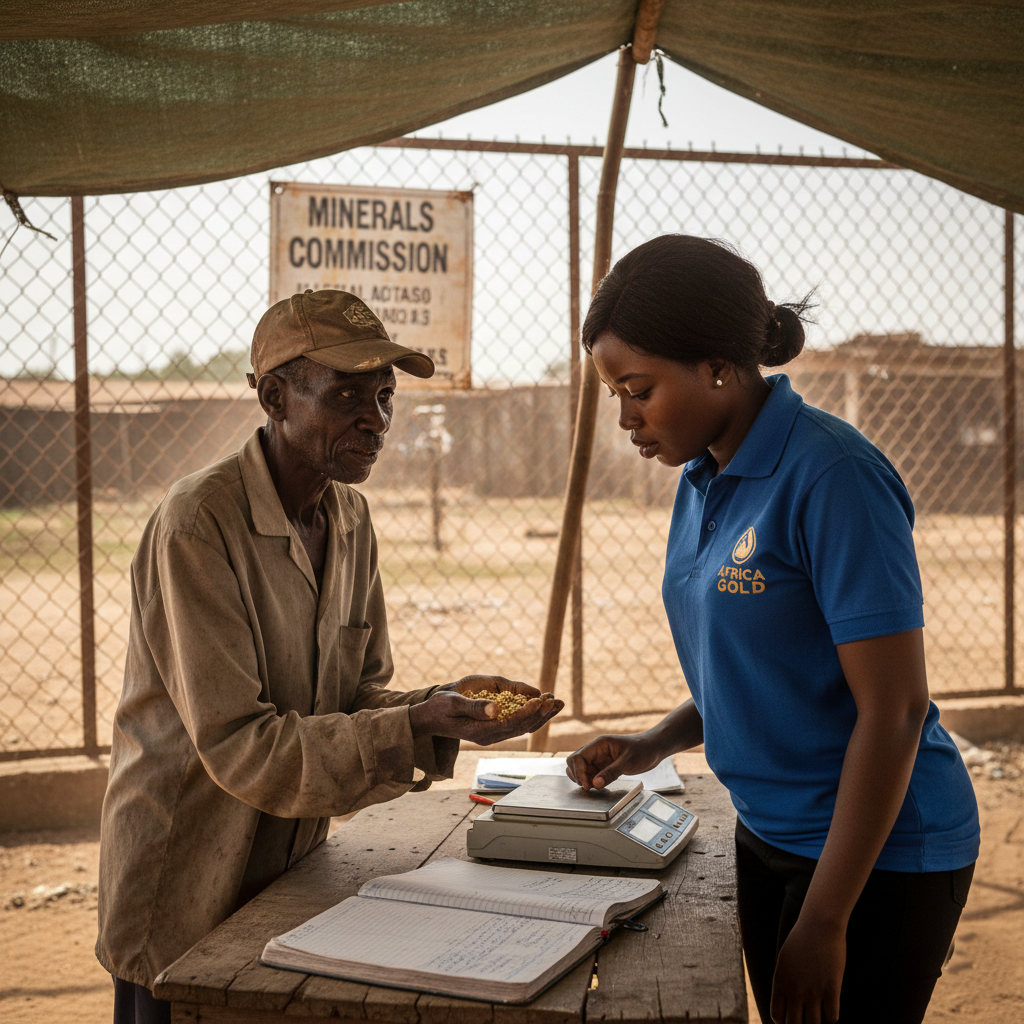
Mistake 5: Assuming Uniform Standards Across Jurisdictions
Ghana, South Africa, and South Sudan maintain distinct regulatory frameworks. PMMC requirements differ from SADPMR protocols; South Sudan’s dual ministry approval adds complexity. Buyers who apply a single checklist across jurisdictions encounter documentation mismatches. Understand each country’s specific export sequence before transacting.

Mistake 6: Working with Intermediaries Lacking On-Ground Presence
Remote brokers without permanent field teams cannot verify miner licenses on site or manage assay coordination directly. This creates dependency on third parties and breaks chain of custody. Buyers should partner with exporters maintaining operational presence in producing regions.
Since 2015, AFRICA GOLD has maintained permanent teams across Ghana, South Africa, and South Sudan to conduct on-site verification, coordinate accredited assays, secure permits directly, and oversee logistics. This integrated presence eliminates the intermediaries that cause documentation failures.
Avoid costly errors by partnering with an exporter who executes every verification step in person. AFRICA GOLD’s on-ground operational model ensures complete documentation, regulatory compliance, and refinery-ready delivery for every consignment.

africa-gold.com
sales@africa-gold.com