


When exporting gold from Africa, the choice of transport method is not a logistical detail it is a strategic decision that impacts cost, speed, security, and regulatory compliance. Many new buyers assume any secure carrier can move gold, but the reality is far more nuanced. Commercial air freight and specialized couriers serve fundamentally different purposes in the gold trade. Understanding when to use each and why professional exporters almost always choose air freight—is essential for risk management and operational efficiency.
Why Commercial Air Freight Is the Global Standard
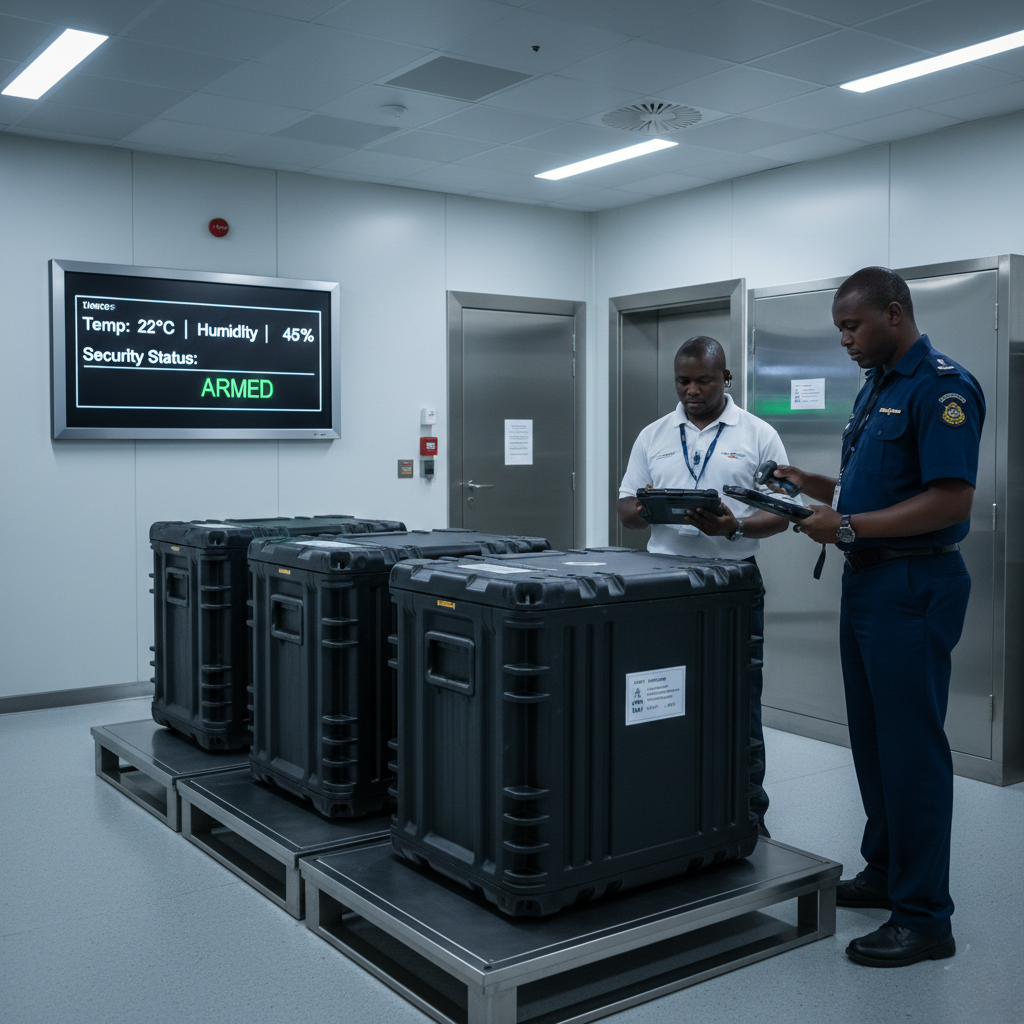
For legitimate gold exporters in Ghana, South Africa, and South Sudan, commercial air freight is the only viable option for international shipments. This is not a preference but a requirement imposed by global insurance markets, airline regulations, and refinery protocols. Major carriers like Emirates, Ethiopian Airlines, and South African Airways operate IATA-certified precious metals handling programs that include:
- Dedicated secure cargo holds
- Trained personnel with background checks
- Real-time GPS tracking integrated with airline systems
- Mandatory insurance coverage exceeding $10 million per shipment
These services are not available to the public. Only licensed exporters with verified documentation and established relationships can access them. Crucially, air waybills issued by these carriers are recognized by customs authorities and refineries worldwide as proof of legal transit. This institutional acceptance is irreplaceable.
The Myth of “Secure Couriers” for International Gold Shipments
Many brokers promote “secure courier” services often using armored vans or private couriers as a faster or cheaper alternative. This is dangerously misleading. No reputable international courier (DHL, FedEx, UPS, etc.) accepts raw gold bars for cross-border transport. Their terms of service explicitly exclude precious metals due to insurance and regulatory constraints. Brokers who claim otherwise are either:
- Using unlicensed, uninsured local drivers (extremely high risk)
- Misrepresenting domestic cash-in-transit as international shipping
- Operating outside legal frameworks entirely
Even if such a courier reached the destination, refineries would reject the shipment. Without an official air waybill from a certified carrier, there is no verifiable chain of custody. Customs agencies will seize the material. Insurance claims will be denied. The buyer bears full loss.
Domestic vs International: Knowing the Boundary
It is important to distinguish between domestic secure transport and international export. Within Ghana, South Africa, or South Sudan, licensed cash-in-transit companies safely move gold from collection points to assay labs or airport terminals. This is standard and necessary. But the moment the shipment crosses an international border, it must comply with IATA Dangerous Goods Regulations (even though gold isn’t dangerous—it’s high-value) and national export controls. Only commercial air freight meets these requirements.

Cost, Speed, and Reliability: The Real Trade-Offs
Brokers often claim couriers are “cheaper,” but this ignores hidden costs:
- Insurance gaps: Most couriers won’t insure gold over $50,000
- Customs delays: Non-standard shipments face extended inspections
- Refinery rejection: Lack of air waybill invalidates provenance
- Total loss risk: No recourse if theft occurs
In contrast, air freight costs are transparent and bundled into compliant export packages. Direct flights from Accra to New York (12 hours), Juba to Dubai (4 hours), and Johannesburg to Shanghai (10 hours) offer speed that rivals any courier—without the risk. Professional exporters like AFRICA GOLD include air freight in their pricing, ensuring buyers get speed, security, and compliance in one package.
Why Refineries Demand Air Waybills
Global refineries require air waybills because they provide:
- Verified point-to-point transit record
- Carrier accountability and insurance backing
- Integration with customs declaration systems
- Alignment with LBMA Responsible Gold Transport Guidelines
A hand-delivered parcel, no matter how “secure,” cannot replicate this institutional trust. In the eyes of a refinery, it is not just non-compliant it is suspicious.
Conclusion
The choice between air freight and couriers is not about convenience it is about legitimacy. In the regulated world of African gold export, commercial air freight is the only method that satisfies insurers, governments, and refineries. Buyers who accept “courier” alternatives do so at extreme peril. With the right exporter, air freight delivers speed, security, and peace of mind proving that in gold trade, the official route is not the slowest, but the safest.
africa-gold.com
sales@africa-gold.com