


The journey of gold from African mine to international airport is a tightly choreographed sequence of verification, security, and compliance. It spans rugged terrain, bureaucratic checkpoints, and secure facilities—each stage designed to ensure that only legally sourced, properly documented material reaches global markets. This is not a casual transit but a disciplined corridor where professionalism determines success. For international buyers, understanding this journey reveals why local presence and end-to-end control matter more than price alone.
Phase 1: Source Verification at Licensed Mining Sites
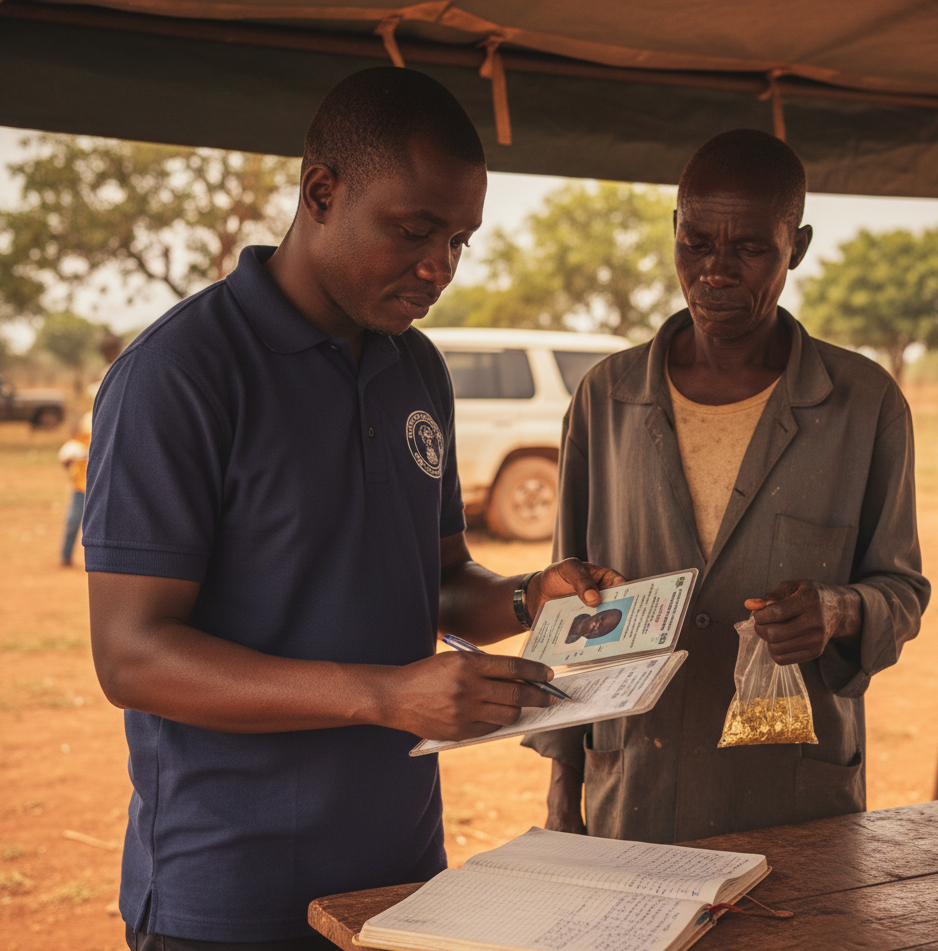
The journey begins only with legally recognized producers. In Ghana’s Ashanti region, miners must hold Minerals Commission licenses. In South Africa’s North West province, small-scale operations require registration under the Mine Health and Safety Act. In South Sudan’s Equatoria, aggregators need dual ministry permits. At secure collection points, exporters verify miner credentials, record GPS coordinates, weigh material, and seal samples in tamper-evident bags with unique serial numbers. This initial documentation forms the foundation of chain of custody without it, the journey ends before it starts.
Phase 2: Secure Overland Transport to Assay and Permit Centers
Once sealed, gold moves via licensed cash-in-transit (CIT) services to accredited assay labs and government offices. In Ghana, CIT vehicles approved by the Bank of Ghana use GPS tracking and armed escorts. In South Africa, PSIRA-registered firms provide similar services. In South Sudan, military-escorted convoys are standard due to infrastructure constraints. Vehicles carry no branding—discretion is key. All movements are logged manually, with hand-signed交接 records at every custody transfer. Digital trackers may supplement, but paper logs remain primary for customs and refinery acceptance.
Phase 3: Government Clearance and Airport Handover
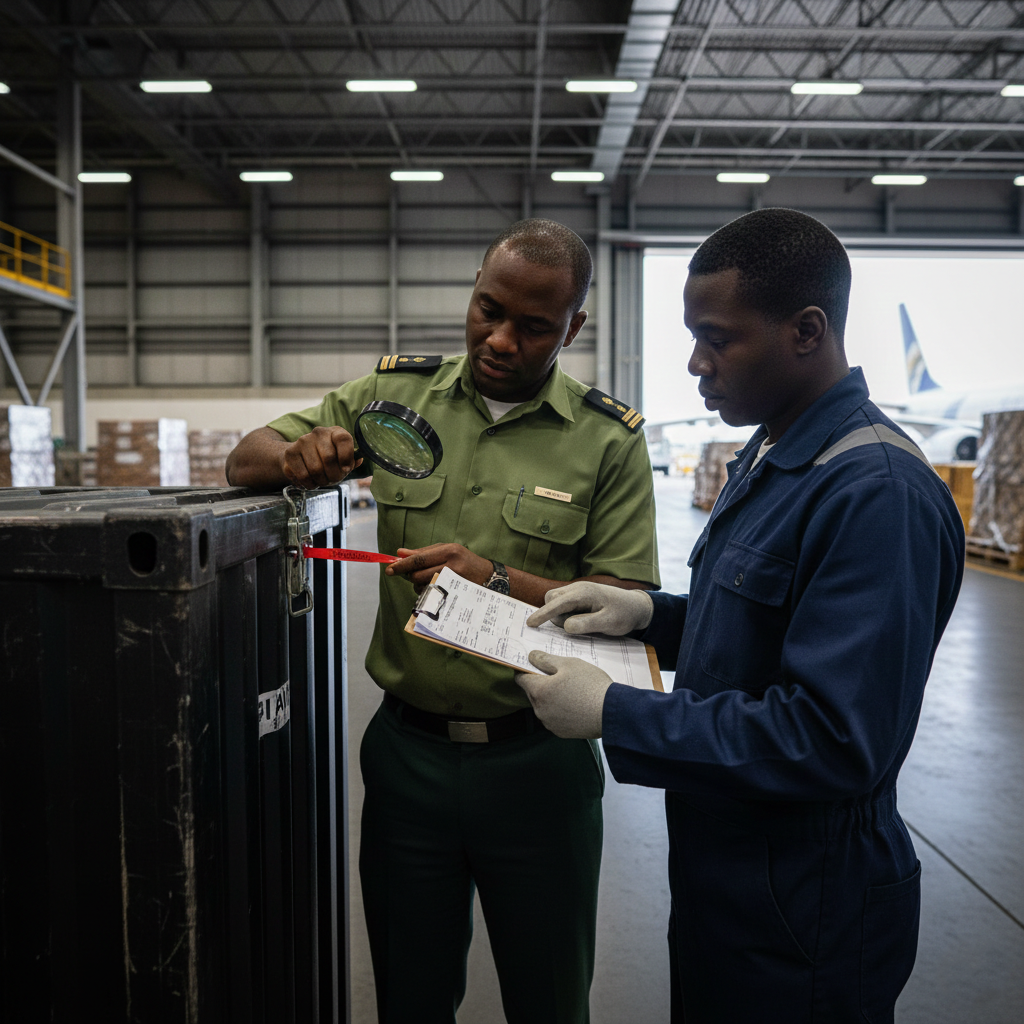
After assay certification and export permit issuance, gold moves to international airports: Kotoka in Accra, OR Tambo in Johannesburg, or Juba International. At dedicated cargo bays, customs officials inspect physical material against documentation verifying weight, serial numbers, and seal integrity. Only after official clearance is the shipment handed to airline personnel. Professional exporters oversee this handover personally, photographing seals and recording air waybill numbers for buyer transparency. Insurance coverage is mandatory and confirmed before release.
Why Every Leg Matters
A break in any phase unverified source, unsecured transport, missing permit, or undocumented handover halts the entire journey. Brokers who skip steps risk rejection, seizure, or loss. Professional exporters like AFRICA GOLD manage all legs internally, ensuring seamless continuity from mine face to aircraft hold. This end-to-end control is what international buyers rely on.
Conclusion
The gold export journey across Africa is a testament to structured professionalism. It transforms raw metal from remote mines into globally accepted assets through discipline, not luck. When every stage is executed with care, African gold arrives not as a gamble but as a guaranteed commodity. For buyers, the right partner doesn’t just ship gold they safeguard its entire journey.
africa-gold.com
sales@africa-gold.com