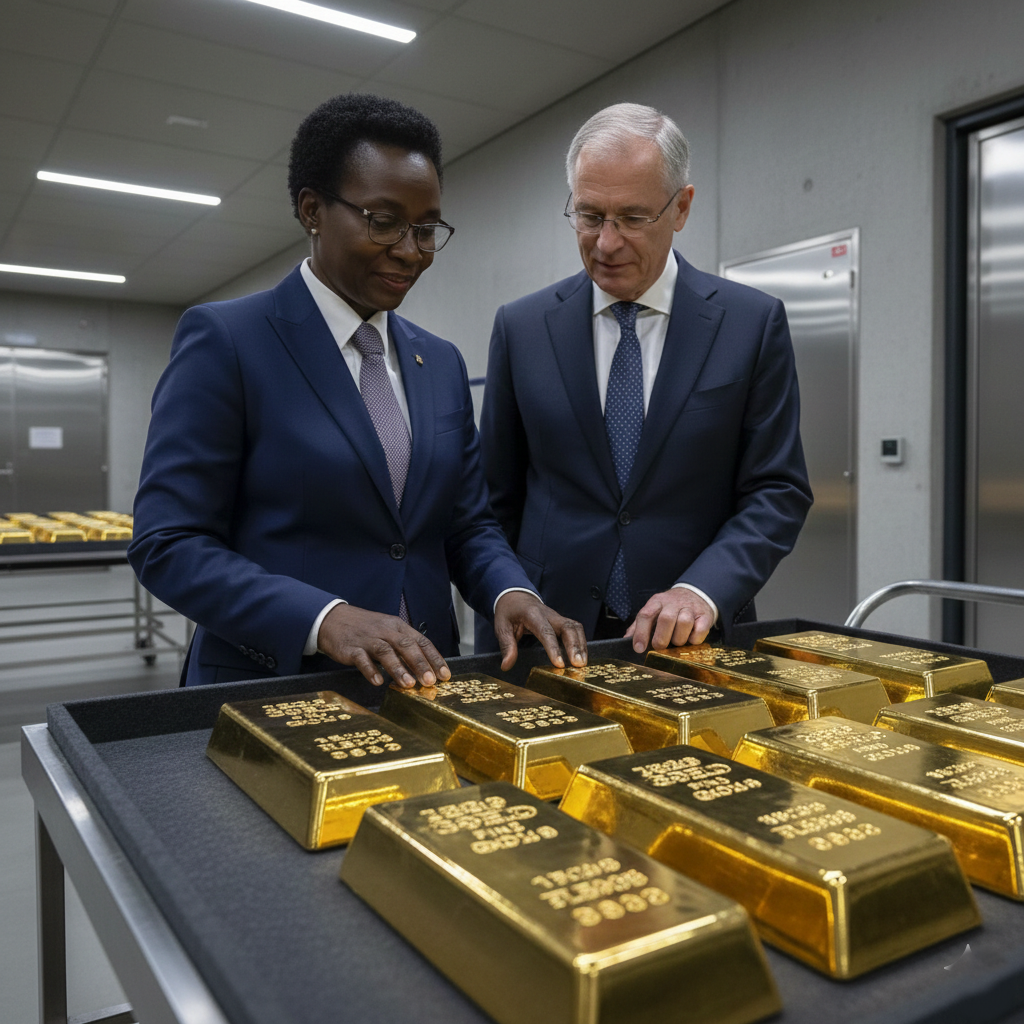


How Long-Term Buyers Source Gold from Africa
Institutional buyers—refineries, commodity traders, and investment funds—do not source African gold through one-off transactions. Instead, they establish structured partnerships with exporters who maintain permanent operational presence across producing regions. This approach delivers supply continuity, documented provenance, and regulatory compliance that transactional arrangements cannot sustain.
Partnership Over Transaction
Long-term buyers prioritize suppliers who demonstrate consistent execution across multiple shipments rather than offering isolated “opportunities.” They evaluate:
- Physical office presence in producing regions
- Direct relationships with licensed miners
- History of government permit approvals
- Transparent documentation sharing before payment
- Real-time logistics communication
These criteria filter out brokers lacking operational infrastructure—leaving only exporters capable of sustained supply.

Documentation Discipline
Successful buyers require complete documentation packages before payment: miner licenses linked to GPS coordinates, tamper-evident seal records, accredited assay certificates, and government export permits. They reject shipments where documentation arrives after funds transfer—a red flag indicating potential chain of custody breaks.
Geographic Diversification Within Partnership
Sophisticated buyers often source across multiple African jurisdictions through a single integrated exporter. Ghana provides consistent small-scale output with PMMC certification. South Africa delivers larger volumes through mature regulatory infrastructure. South Sudan offers emerging supply with improving formalization. A single partner managing all three regions enables buyers to balance portfolios without fragmenting oversight.

Regulatory Navigation as Core Competency
Long-term buyers recognize that regulatory complexity—not gold availability—is the primary supply constraint. They partner with exporters who navigate PMMC approvals in Ghana, SADPMR permits in South Africa, and dual ministry clearance in South Sudan without requiring buyer intervention. This operational competence transforms regulatory hurdles into predictable workflows.
Why AFRICA GOLD Supports Institutional Sourcing
Since 2015, AFRICA GOLD has maintained permanent field teams across Ghana, South Africa, and South Sudan from its South African headquarters, with coordination support from the United Kingdom. This integrated presence enables:
- On-site miner verification before acquisition
- Direct coordination with accredited laboratories
- Government permit processing without intermediaries
- Real-time shipment tracking shared proactively
- Consistent documentation standards across jurisdictions
Buyers receive refinery-ready material without managing fragmented local systems independently.
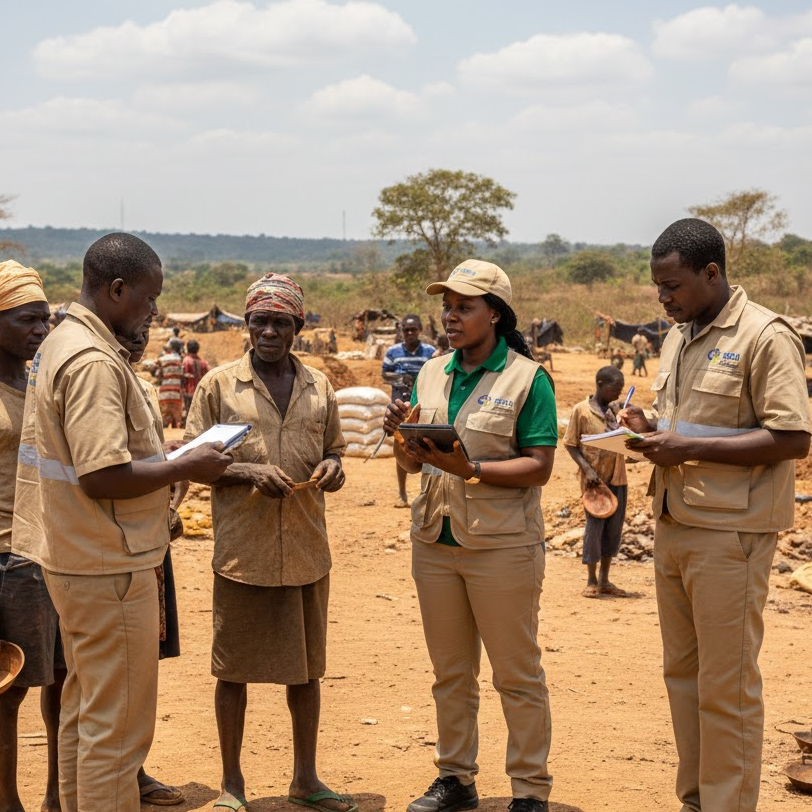
Sustainable African gold supply requires partnership infrastructure—not transactional opportunism. Institutional buyers achieve reliability by partnering with exporters who maintain boots on the ground across producing regions and demonstrate consistent regulatory execution.
africa-gold.com
sales@africa-gold.com