


Global Demand for African Gold in 2026
Demand for African gold remains resilient in 2026, with buyers across Asia, the Middle East, and North America prioritizing documented supply chains over price alone. Regulatory tightening in major markets has elevated the value of verifiable provenance—making compliant African exports increasingly attractive despite competition from traditional producing regions.
Asian Refinery Requirements
Chinese and Indian refineries continue sourcing significant volumes from South Africa and Ghana, valuing the countries’ mature assay frameworks and export infrastructure. LBMA alignment and OECD due diligence compliance have become non-negotiable entry requirements. African exporters who deliver complete chain of custody documentation—miner licenses, GPS coordinates, accredited assay certificates, and government permits—secure preferential access to these markets.

Middle Eastern Market Dynamics
Dubai refineries maintain strong demand for West African and South Sudanese supply, particularly material arriving with PMMC certification or dual ministry approvals. UAE Central Bank guidelines enacted in recent years require verifiable origin documentation for all imports. This regulatory shift has benefited professional African exporters who maintain structured collection and verification protocols.

Image: Dubai refinery technician inspecting sealed gold containers from Africa
Western Institutional Interest
European and North American institutional buyers increasingly seek African gold meeting responsible sourcing standards for ESG-aligned investment products. Ghana’s formalized small-scale sector and South Africa’s century-old regulatory infrastructure provide the transparency these buyers require. Transaction volumes remain smaller than Asian flows but command premium positioning in certified investment channels.
Supply Response to Demand Signals
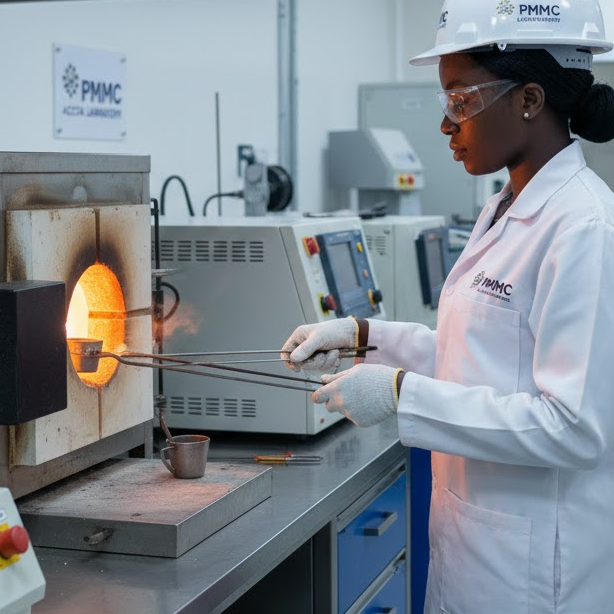
African producing nations have responded to buyer requirements through regulatory strengthening. Ghana’s PMMC has expanded laboratory capacity in Kumasi. South Africa maintains rigorous SABS fire assay standards. South Sudan continues formalizing artisanal operations in Equatoria regions. These developments align African supply more closely with global compliance expectations.
AFRICA GOLD’s Market Position
Since 2015, AFRICA GOLD has maintained operational presence across Ghana, South Africa, and South Sudan from its South African headquarters, with coordination support from the United Kingdom. The company’s integrated model—combining on-site miner verification, direct laboratory relationships, and government permit processing—delivers the documentation integrity that 2026 buyers prioritize. This operational discipline has sustained partnerships across UAE, United States, China, and European markets.Image: AFRICA GOLD logistics team coordinating multi-destination shipments
Global buyers in 2026 select African gold suppliers based on verifiable compliance—not price alone. AFRICA GOLD delivers documented supply chains meeting LBMA, OECD, and destination market requirements across established trade corridors.
africa-gold.com
sales@africa-gold.com