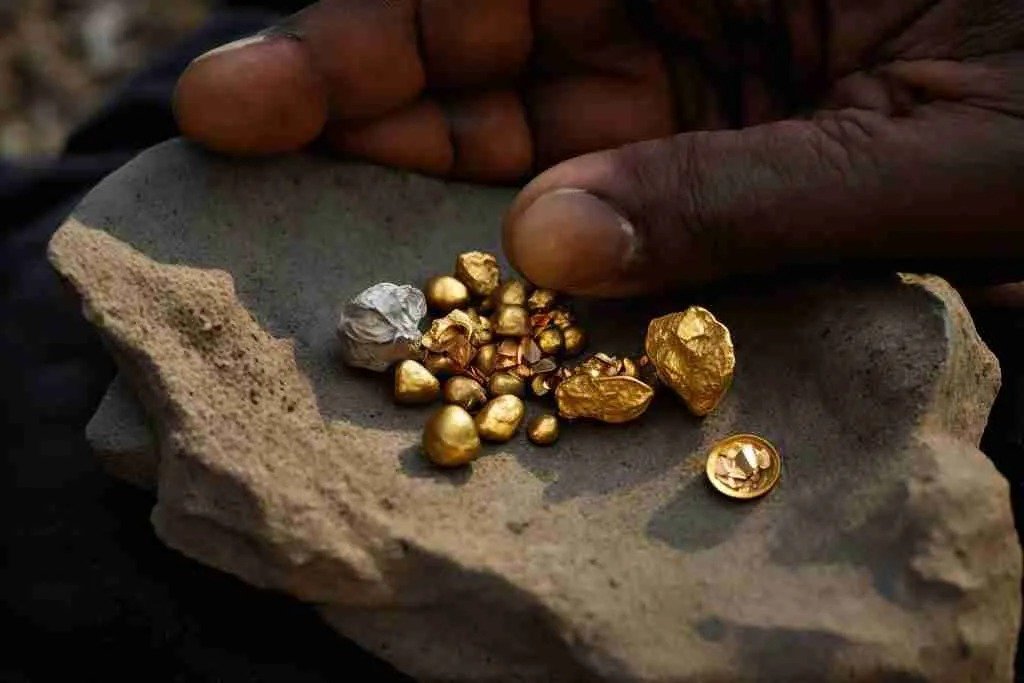


Fraud in African gold trade takes many forms but all share one trait: they exploit haste, opacity, or remote transactions. From fake assay certificates to unlicensed brokers posing as exporters, risks are real but avoidable. Professional buyers protect themselves not through suspicion, but through structured verification. In 2026, the most effective defense is a combination of documentation discipline, physical presence, and partnership with verified local operators.
Red Flag 1: Unlicensed “Exporters” Operating Remotely
Many fraudsters pose as exporters while working from hotel rooms or virtual offices. They lack national licenses (PMMC, SADPMR, or dual ministry permits) and cannot show physical operations in mining regions. Always verify licenses directly with issuing authorities. In Ghana, call the Minerals Commission. In South Africa, request SADPMR registry confirmation. In South Sudan, visit the Juba Ministry of Mining office. Legitimate exporters welcome this—they know trust is earned through transparency.

Red Flag 2: Full Upfront Payment Demands
No legitimate exporter requires 100% advance payment. Professional practice uses staged payments:
- 10–30% against documentation submission
- Balance after assay confirmation and permit issuance
Brokers pressure buyers to “move fast” with promises of low prices—but once paid, they vanish. Always tie payments to verifiable milestones. Use escrow or bank guarantees for added security.
Red Flag 3: Generic or Digital-Only Documentation
Fraudulent operators use photocopied permits, unsigned PDFs, or forged assay reports. Real documentation includes:
- Wet-ink government stamps
- Handwritten serial numbers matching physical seals
- Original paper copies accompanying cargo
Refineries reject digital-only submissions. If your supplier can’t provide physical documents, walk away.

Why On-the-Ground Verification Prevents Loss
The single best fraud deterrent is visiting collection points. Seeing miners present gold, watching seals applied, and reviewing logs in person builds irreplaceable confidence. AFRICA GOLD hosts regular site visits—not as a sales tactic, but as a risk mitigation tool. Brokers refuse such requests; professionals encourage them.
Conclusion
Fraud thrives in darkness. In African gold trade, light comes from documentation, presence, and process. Buyers who verify licenses, stage payments, demand physical paperwork, and visit operations eliminate nearly all risk. With the right approach, African gold is not a gamble it’s one of the world’s most secure physical assets. Trust isn’t given it’s proven, gram by gram.
africa-gold.com
sales@africa-gold.com