
How Small-Scale Mining Supports Global Gold Supply
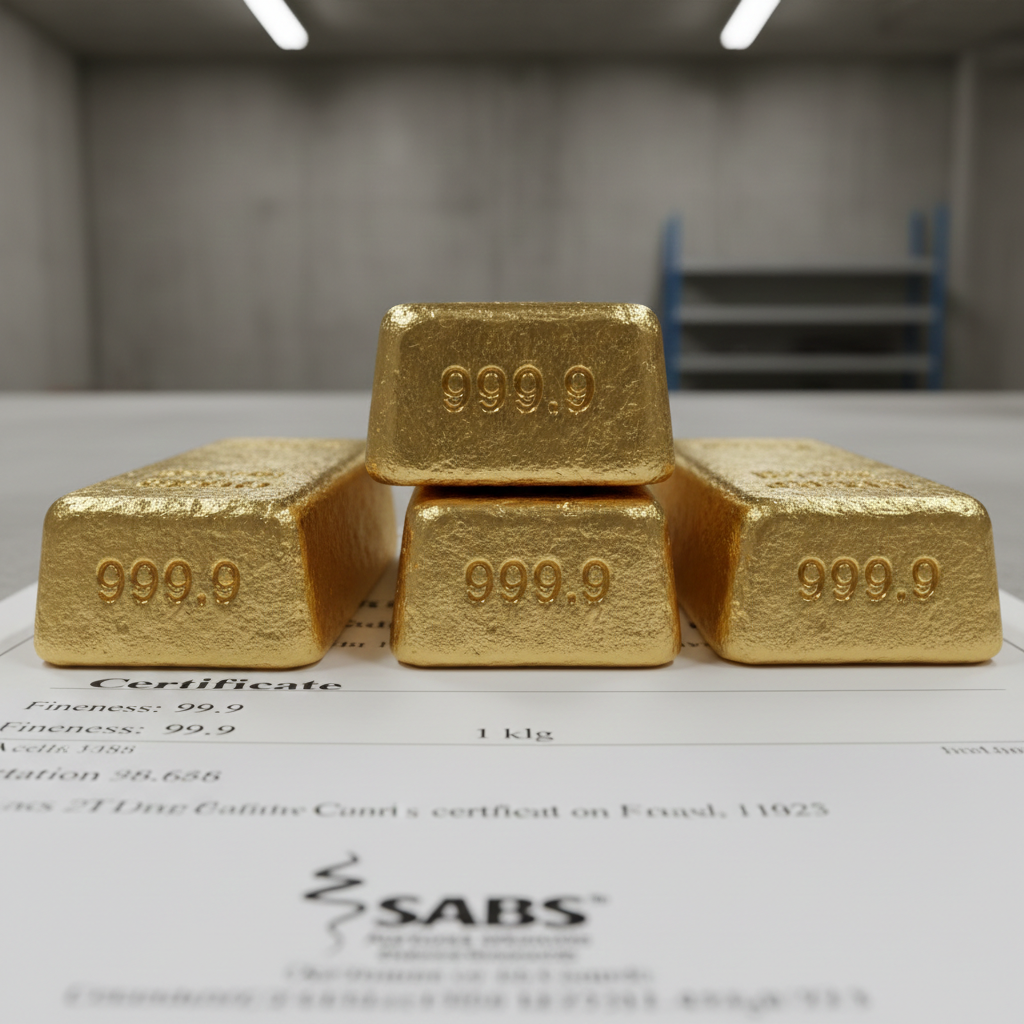
Small-scale mining contributes an estimated 15 to 20 percent of annual global gold production—approximately 400 to 500 tonnes—primarily from Africa, Latin America, and Asia. Far from marginal activity, this sector represents a structured supply source when formalized through national licensing frameworks and professional export channels. Understanding its legitimate role helps buyers access documented supply without conflating regulated operations with informal mining.
Defining Licensed Small-Scale Mining
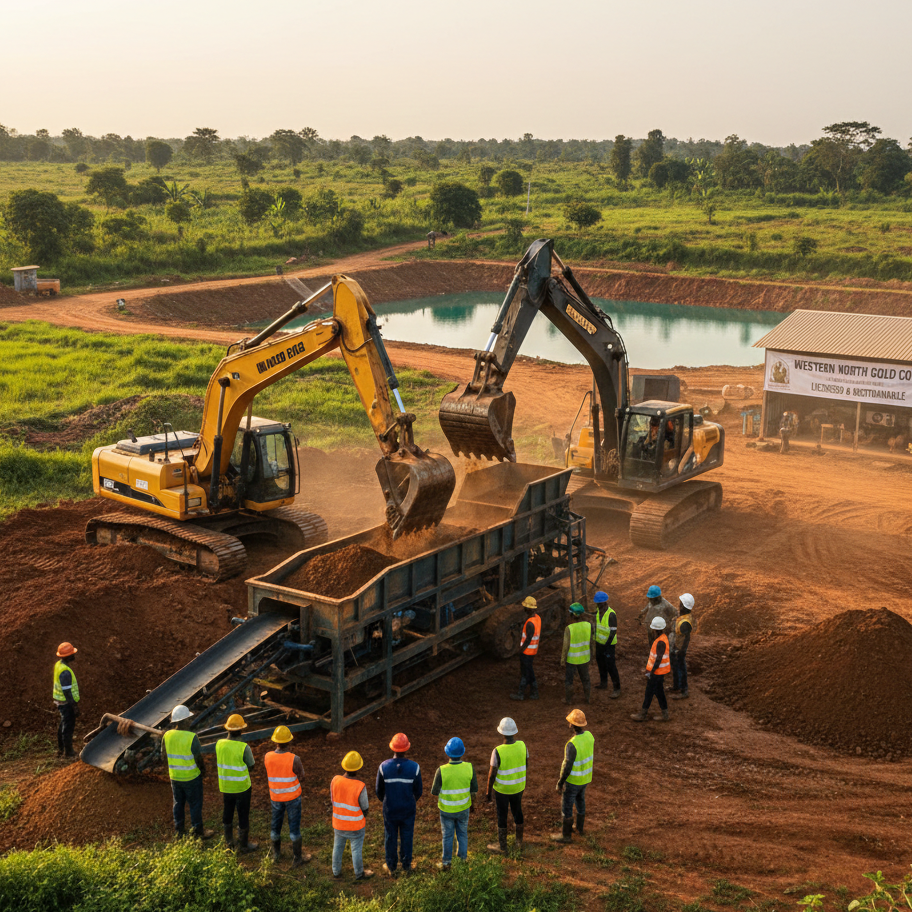
Licensed small-scale mining operates under national regulatory frameworks distinct from industrial operations. In Ghana, the Minerals Commission issues specific licenses for operations under 25 acres using mechanized equipment. South Africa recognizes small-scale cooperatives registered under the Mine Health and Safety Act. South Sudan’s Ministry of Mining licenses artisanal operations in designated zones within Equatoria regions.
These licenses mandate compliance with safety standards, environmental safeguards, and royalty payments—creating legal pathways to formal trade. Material from licensed operations can legally export when accompanied by verifiable chain of custody documentation.
Formalization and Export Integration
African governments have progressively formalized small-scale sectors to capture revenue and improve safety. Ghana’s PMMC system requires all export-bound material to pass through accredited verification channels regardless of mine size. South Africa’s SADPMR applies identical export standards to small-scale cooperatives and industrial producers. South Sudan has intensified licensing enforcement in artisanal zones since 2018.
This formalization enables professional exporters to aggregate material from multiple licensed sources into refinery-ready consignments. Without it, fragmented production would remain trapped in informal markets. With it, small-scale output integrates into global supply chains meeting LBMA and OECD standards.
Quality and Volume Characteristics
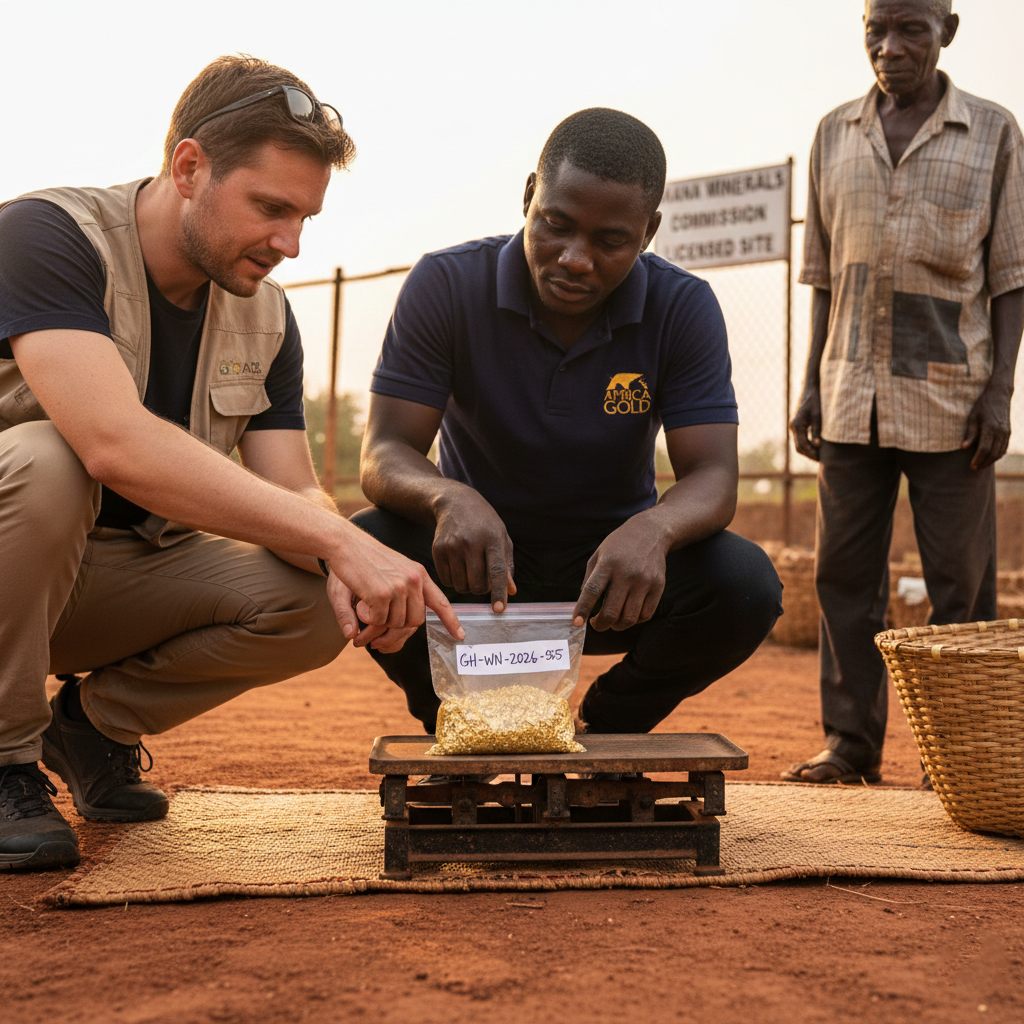
Small-scale operations typically produce gold in granular or powder form requiring consolidation before export. Individual miners may yield 50 to 200 grams daily; licensed aggregators consolidate volumes of 5 to 20 kilograms for economic export lots. Fire assay certification remains mandatory—purity typically ranges from 85 to 96 percent requiring standard refining allowances.
These characteristics create natural aggregation points where professional exporters add value: verifying licenses, coordinating accredited assays, securing permits, and managing logistics. The result transforms fragmented local production into documented, internationally transferable assets.
Why Formalized Small-Scale Supply Matters to Buyers
Buyers sourcing through formalized small-scale channels gain three advantages:
- Supply diversification beyond industrial mine concentration
- Geographic resilience across multiple producing jurisdictions
- Documented provenance meeting OECD due diligence requirements
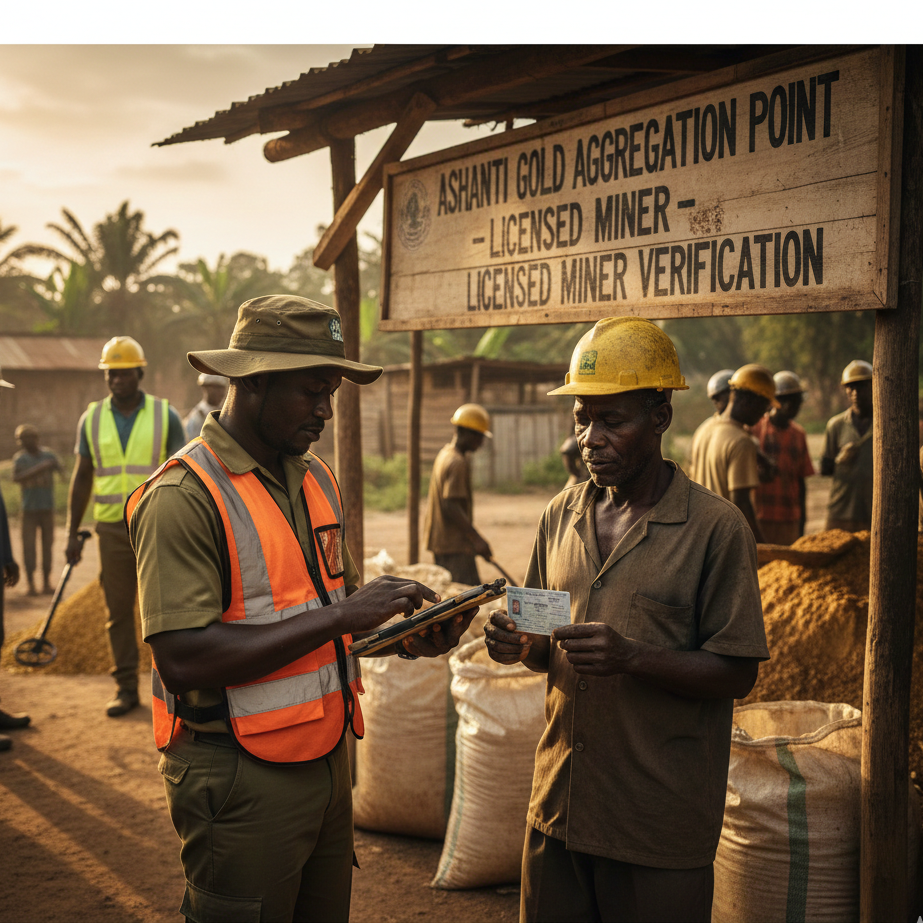
Material lacking formalization—unlicensed production or undocumented aggregation—cannot legally export regardless of purity. Professional exporters distinguish between these categories through on-site verification before acquisition.
Since 2015, AFRICA GOLD has maintained field teams across Ghana, South Africa, and South Sudan sourcing exclusively from licensed small-scale operations and registered aggregators. The company verifies miner credentials on site, coordinates accredited assays directly, secures government permits before payment requests, and maintains unbroken chain of custody through airport handover—ensuring small-scale production reaches international refineries with full documentation.
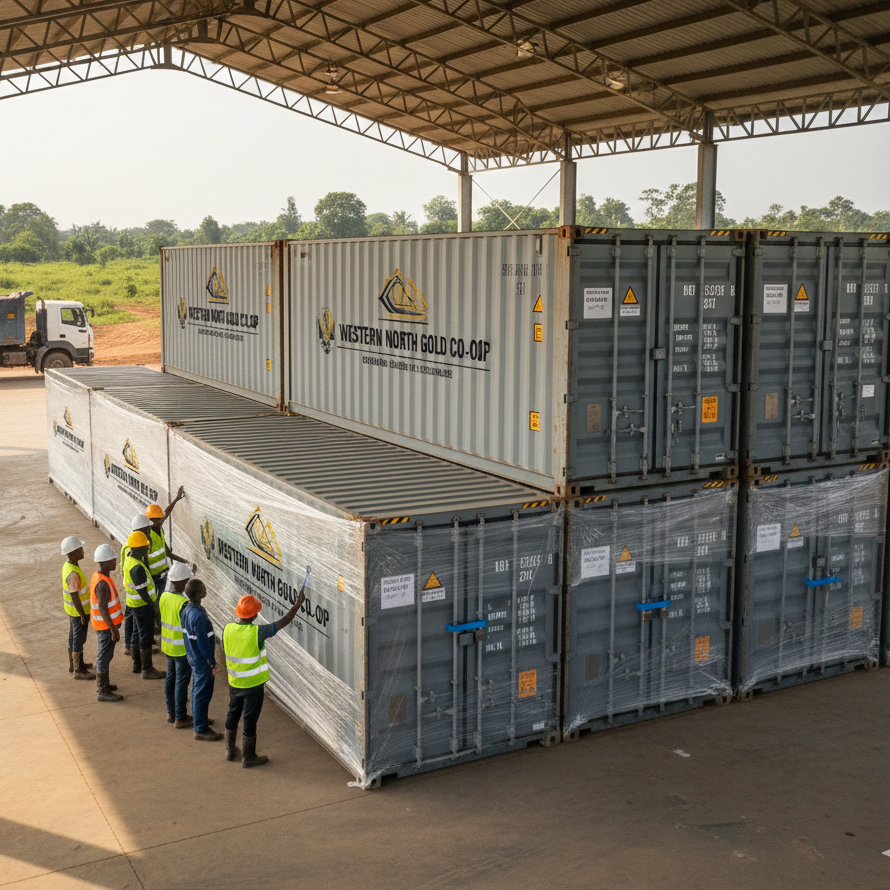
Small-scale mining supports global gold supply not through informal channels but through formalized frameworks that generate documented, compliant material. Buyers access this supply by partnering with exporters who verify licenses at source and maintain chain of custody integrity—transforming fragmented local production into refinery-ready consignments.
africa-gold.com
sales@africa-gold.com