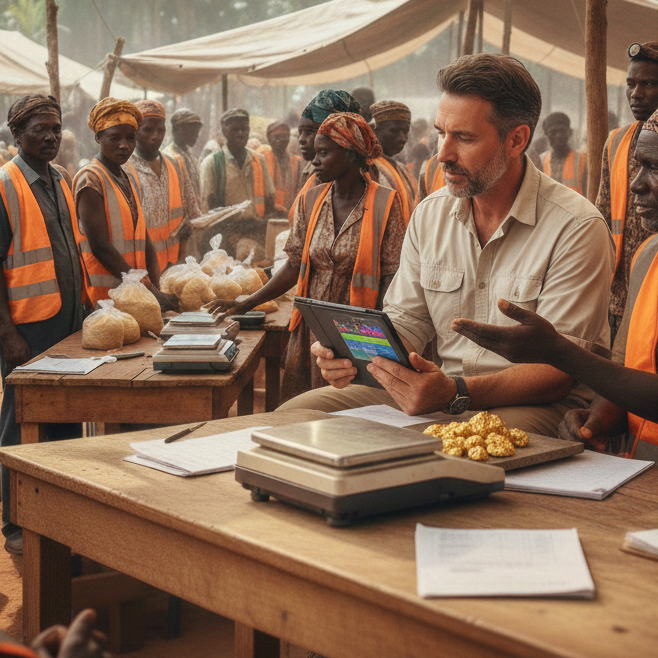

Why Africa Will Remain Central to Global Gold Supply
Africa has long been a cornerstone of the global gold market, and its strategic importance is only growing. In 2026, the continent accounts for nearly one-quarter of annual mine production—led by Ghana, South Africa, Mali, and Sudan—and holds some of the world’s largest untapped reserves. But beyond geology, it is a confluence of economic, technological, and geopolitical factors that ensures Africa will remain central to global gold supply for decades to come.
Industry Context
Global gold mine production has plateaued in recent years, with few new Tier-1 deposits discovered outside of West and Central Africa. According to the World Gold Council, Africa contributed over 900 tonnes of gold in 2025—roughly 25% of total output—with Ghana alone producing a record 6 million ounces [[17]]. Meanwhile, high-grade ore bodies in traditional mining regions like Australia and North America are depleting, pushing explorers and majors toward African jurisdictions with greater geological potential.
This shift is not just about volume. As central banks, institutional investors, and industrial users demand greater transparency, Africa’s ongoing formalization of artisanal and small-scale mining (ASM) is creating new pathways for compliant, traceable supply—aligning the continent with evolving global standards.

Regional Strengths
Each major African gold producer brings distinct advantages to the global supply chain.
Ghana has emerged as Africa’s top gold producer, combining stable governance, investor-friendly policies, and aggressive formalization of its ASM sector. The government’s push to refine gold domestically—starting with a planned one-tonne-per-year refinery in 2026—signals a move toward value addition while retaining export credibility [[15]].
South Africa, though past its peak production, remains a technical powerhouse. Its deep-level mines, advanced metallurgical expertise, and well-developed financial infrastructure make it a reliable source of high-purity doré and refined gold. Regulatory reforms under the Mining Charter continue to encourage local participation without deterring foreign capital.
Mali and Burkina Faso host some of the highest-grade greenfield projects globally, attracting billions in investment from majors like Barrick and Endeavour. Despite security challenges, these countries maintain strong mining codes and benefit from proximity to established logistics corridors through Abidjan and Dakar.
South Sudan, while nascent, represents future potential. With vast alluvial and hard-rock deposits and a government actively seeking responsible partners, it could become a meaningful supplier within the next decade.
Policy and Formalization Trends
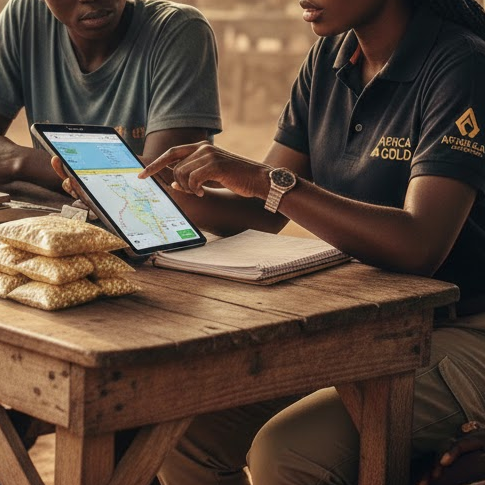
A critical driver of Africa’s enduring relevance is policy reform. Across the continent, governments are moving to bring informal mining into the legal economy. Digital licensing platforms, mandatory sales through state-approved channels, and blockchain-based traceability systems are reducing smuggling and increasing fiscal revenue.
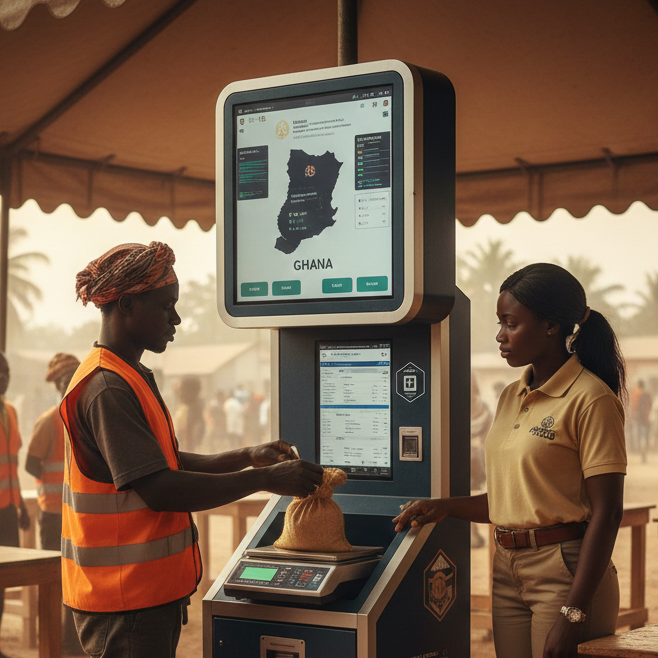
In Ghana, the Precious Minerals Marketing Company (PMMC) now requires all licensed buyers to submit real-time transaction data. Similar initiatives are underway in Tanzania and the DRC. These measures not only improve governance but also create auditable supply chains that meet LBMA and OECD standards—unlocking access to premium international markets.
AFRICA GOLD’s Role in the Ecosystem
Founded in 2015 and headquartered in South Africa, AFRICA GOLD operates across Ghana, South Africa, South Sudan, and the United Kingdom. The company sources gold exclusively from licensed miners and authorized local sellers, ensuring full compliance with national laws and international due diligence frameworks.
By working directly at the collection point—verifying licenses, conducting on-site assays, and maintaining tamper-proof digital records—AFRICA GOLD helps bridge the gap between artisanal production and global demand for ethical supply. This model supports both miner livelihoods and buyer confidence.
Global Demand Reinforces African Relevance
Demand for physical gold remains robust. Central banks added over 1,000 tonnes to reserves in 2025, with emerging-market institutions leading purchases. Investment demand in the U.S., Turkey, and parts of Asia continues to rise amid macroeconomic uncertainty. Industrial applications—from semiconductors to aerospace—ensure steady baseline consumption.
Critically, these buyers increasingly require proof of origin. Refiners in Dubai, Zurich, and Shanghai now reject material without verifiable chain-of-custody documentation. Africa’s push toward formalization positions it not just as a source of volume, but as a provider of trusted supply.
Long-Term Outlook
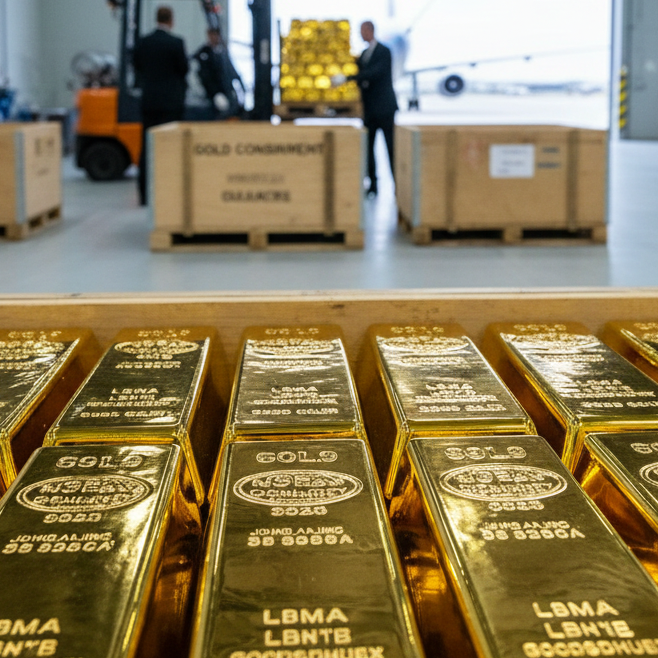
Geologically, Africa is unmatched. The Birimian Greenstone Belt alone spans six West African countries and hosts dozens of active and prospective gold projects. Exploration success rates remain high compared to other regions, and junior miners continue to raise capital for African-focused ventures.
Combined with improving infrastructure, digital governance, and growing local refining capacity, these factors ensure Africa will not only maintain—but likely expand—its share of global gold supply.

Conclusion
Africa’s centrality to the global gold market is not a legacy of the past—it is being actively reinforced by policy, technology, and demand. As the world seeks more transparent, ethical, and secure sources of physical gold, the continent’s combination of resource wealth and institutional progress makes it indispensable.
For international buyers seeking a reliable partner in this evolving landscape, AFRICA GOLD offers direct access to compliant, traceable supply from key African jurisdictions.
Website: africa-gold.com
Email: sales@africa-gold.com