
South Africa’s New Gold Mine Developments – Innovation, Challenges, and Ethical Sourcing
As of early 2026, South Africa is not opening large-scale new greenfield gold mines at the pace seen in previous decades. Instead, the sector is focused on extending the life of existing operations, reprocessing old tailings, and mechanizing deep-level shafts to maintain output amid rising costs and geological challenges. However, several notable projects signal renewed interest in the country’s vast gold potential.
1. Current State of South African Gold Mining
South Africa remains a top-five African gold producer (~150 tonnes/year), but production has declined from its 1970s peak due to:
- Depleting high-grade ore at depth
- High energy and labor costs
- Infrastructure constraints (e.g., load-shedding)
Yet, the Witwatersrand Basin still holds an estimated 2,000+ tonnes of recoverable reserves—the largest in Africa—keeping the country strategically relevant.
2. Notable Recent and Emerging Projects
A. South Deep Mine Expansion (Gold Fields)
- One of the world’s largest undeveloped gold resources
- Investing in mechanized mining to reduce reliance on manual labor
- Targeting increased output through automation and ventilation upgrades
B. Mponeng Mine Life Extension (Harmony Gold)
- Already the world’s deepest mine (>4 km)
- Focusing on high-grade “Venter” and “Carbon Leader” reefs
- Using AI-driven ore sorting to improve recovery rates
C. Tailings Reprocessing (Sibanye-Stillwater, Pan African Resources)
- Projects like Elikhulu and Mthombo reprocess historic mine dumps
- Lower cost, lower risk, and environmentally beneficial (reducing acid mine drainage)
- Contributing ~15–20% of national output
D. Exploration in Underexplored Regions
- Junior miners are exploring greenfield sites in the Free State and Northern Cape
- Early-stage drilling shows promise, though no major discoveries have reached feasibility yet
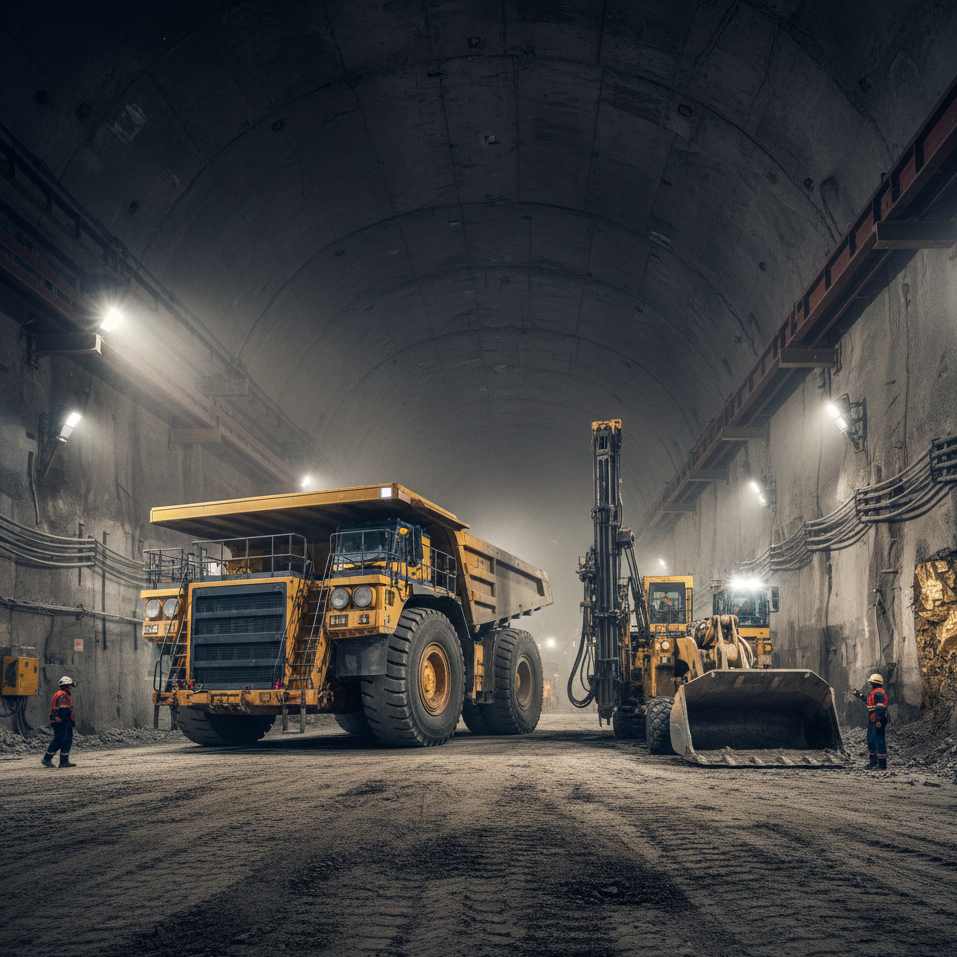
Image: Mechanized mining equipment at South Deep Gold Mine, Gauteng
3. Regulatory and Investment Climate
The South African government continues to encourage investment through:
- Mining Charter 2023: Reinforcing B-BBEE ownership (minimum 30%) and community equity
- Streamlined Licensing: Efforts to reduce approval timelines via the One Environmental System
- Critical Minerals Strategy: While focused on PGMs and battery metals, gold remains part of the mineral security framework
However, policy uncertainty and grid instability remain investor concerns.
4. Africa Gold Reserve’s Role
While Africa Gold Reserve does not operate mines, it sources gold exclusively from:
- Licensed local mines (including new tailings operations)
- Registered small-scale miners in Mpumalanga, Limpopo, and North West
- Government-authorized sellers with valid export permits
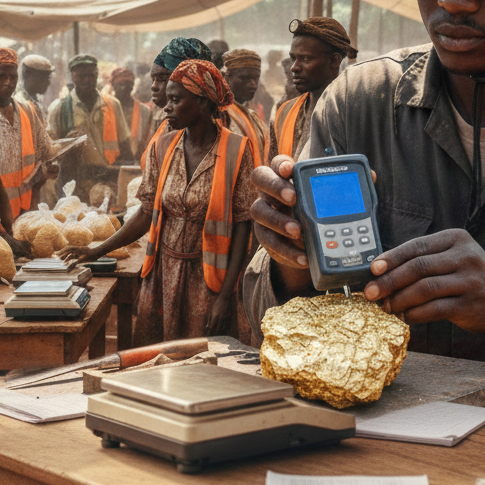
The company ensures all material meets OECD Due Diligence Guidance and LBMA Responsible Gold standards, providing global buyers with audit-ready supply—even from emerging or reactivated sources.
5. Global Relevance
South Africa’s gold is valued not for volume alone, but for traceability, refining infrastructure (Rand Refinery), and regulatory maturity. As ESG demands grow, compliant South African gold—whether from deep-level mines or tailings—offers a low-conflict, high-integrity alternative to higher-risk jurisdictions.
Image: Sealed gold consignment undergoing inspection before export at O.R. Tambo International Airport
Conclusion
South Africa may not be launching headline-grabbing “new” gold mines, but it is innovating within its existing footprint—extending mine life, embracing technology, and formalizing small-scale supply. For institutional buyers seeking reliable, ethical gold, the country remains a cornerstone of African production. Partnering with a professional exporter like Africa Gold Reserve ensures access to this evolving, compliant supply chain.
Website: africa-gold.com
Email: sales@africa-gold.com