
North Africa Gold – Limited Output, Ancient Legacy, and Emerging Opportunities
Unlike the prolific gold belts of West and Southern Africa, North Africa is not a major gold-producing region today, but it holds historical significance and modest modern potential. Countries like Sudan and Egypt lead regional output, while others—such as Morocco, Algeria, and Tunisia—have minor or dormant activity. The region’s gold story blends pharaonic heritage with cautious modern exploration, though production remains small compared to sub-Saharan Africa.
1. Key Gold-Producing Countries in North Africa
A. Sudan
- Production: ~70–80 tonnes/year (among Africa’s top 5 producers)
- Major Mines: Kariya (Nordgold), Hassai, Ariab
- Geology: Part of the Nubian Shield, rich in high-grade orogenic gold
- Challenges: Political instability, informal trade, and limited transparency
⚠️ Much Sudanese gold exits via Dubai; rigorous due diligence is essential for ethical buyers.
B. Egypt
- Production: ~15–20 tonnes/year (growing steadily)
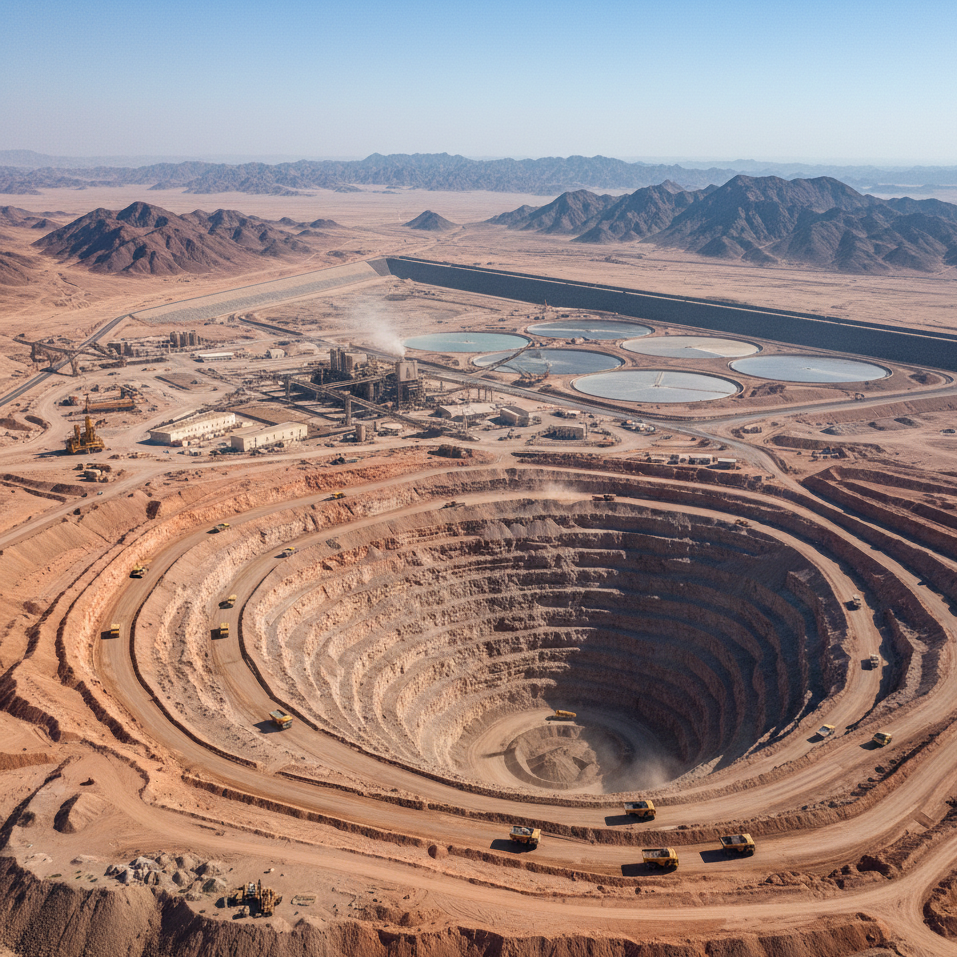
- Flagship Mine: Sukari (operated by Centamin)—Egypt’s first modern commercial gold mine
- Government Strategy: “Golden Triangle” initiative targeting $1B+ in mining investment
- Exploration Zones: Wadi Al-Hudi, Abu Marawat, and the Eastern Desert
Egypt is actively reforming its mining code to attract foreign capital and improve royalty structures.
C. Morocco
- Production: <5 tonnes/year
- Activity: Small-scale artisanal mining in the Anti-Atlas Mountains
- Exploration: Junior miners testing greenstone-like formations near Bou Azzer
- Regulation: Requires environmental permits and local partnerships
D. Algeria, Tunisia, Libya
- No significant commercial production
- Historical Roman-era mines exist but are not economically viable today
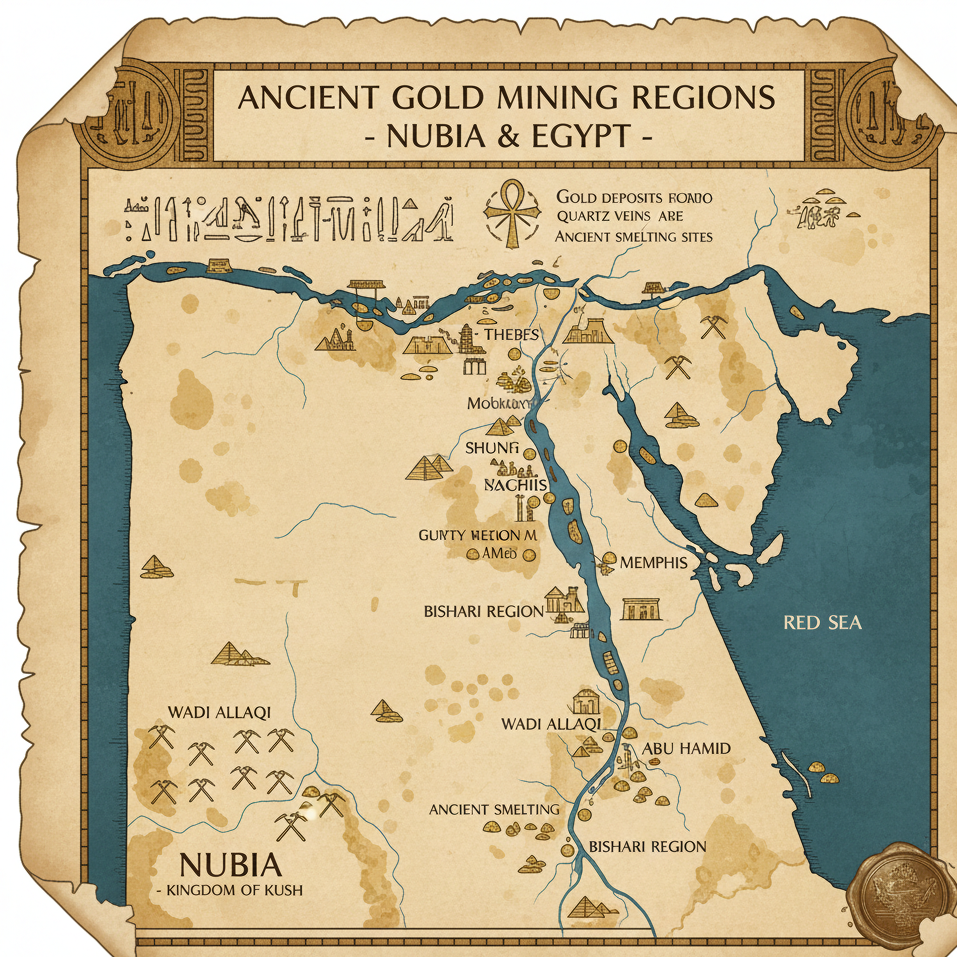
2. Historical Significance
- Ancient Nubia & Egypt: Mined gold as early as 3000 BCE—Nubia was called “the land of gold”
- Trans-Saharan Trade: North African Berber traders exchanged salt for West African gold across desert routes
- Roman Era: Large-scale operations in Egypt and Morocco supplied the empire
This legacy underscores North Africa’s deep connection to gold—even if modern output is limited.
3. Ethical and Compliance Challenges
- Sudan: Risk of conflict-linked gold; requires third-party audits (e.g., RCS Global)
- Egypt: State-controlled sector limits independent oversight, though improving
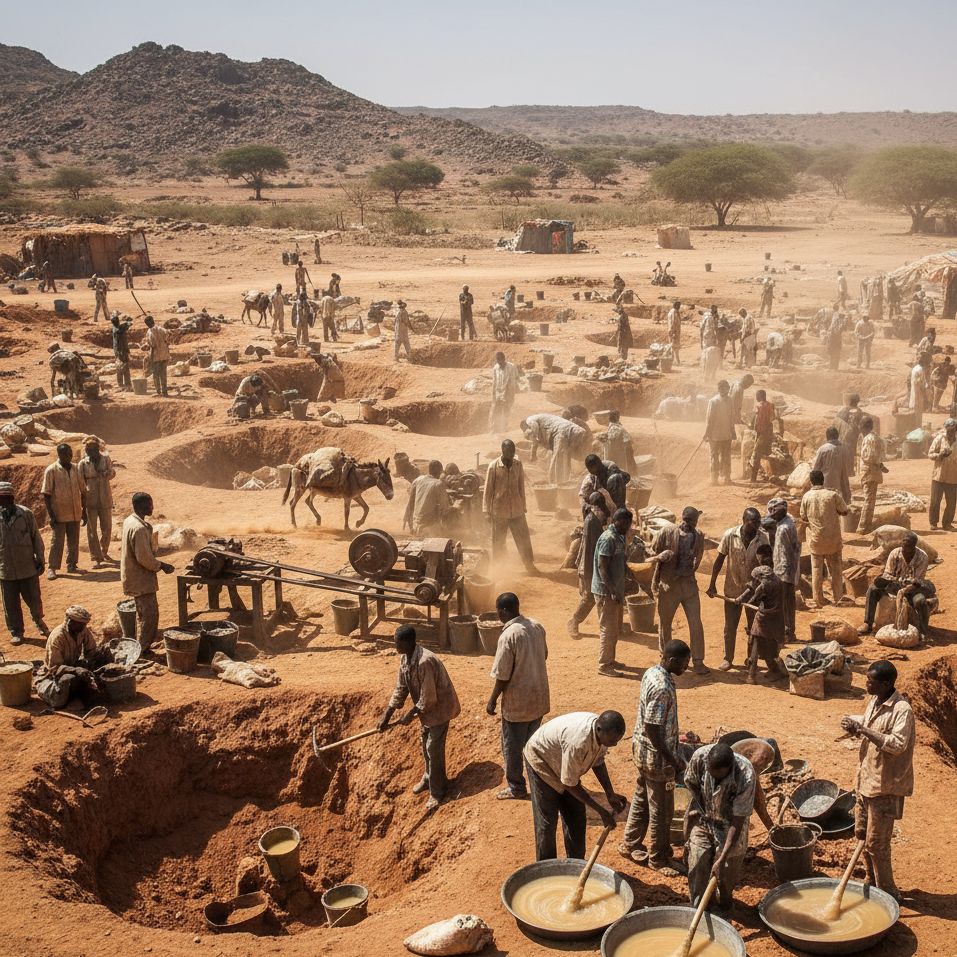
- Informal Mining: Widespread in remote areas—often unregulated and environmentally damaging
Only gold with full documentation, export permits, and OECD-aligned chain-of-custody can enter compliant global supply chains.
4. Africa Gold Reserve’s Position
Africa Gold Reserve—founded in 2015 and headquartered in South Africa—currently focuses on Ghana, South Africa, and South Sudan, not North Africa. The company prioritizes jurisdictions with:
- Mature regulatory frameworks
- Transparent export systems (e.g., Ghana’s PMMC)
- Low conflict risk and verifiable licensing
While Egypt shows promise, North Africa’s overall compliance infrastructure lags behind West and Southern Africa.
5. Guidance for Global Buyers
For those considering North African gold:
- Sudan: Require proof of legal export, assay reports, and third-party verification
- Egypt: Engage only with licensed operators like Centamin or government-approved partners
- Avoid: Unverified sellers claiming “cheap” North African gold—often smuggled or misrepresented
Conclusion
North Africa’s gold sector is defined by historical depth and modest modern output. While Sudan and Egypt offer real production, they require careful due diligence. For institutional buyers seeking reliable, ethical supply, West and Southern Africa remain the primary hubs. Companies like Africa Gold Reserve focus on these regions to ensure audit-ready, compliant gold for global markets.
Website: africa-gold.com
Email: sales@africa-gold.com