
The Africa gold price varies significantly depending on whether you’re an individual buyer purchasing retail jewellery or bars, or an institutional trader sourcing high-purity gold for export. For serious buyers—refiners, commodity traders, and investors—the relevant benchmark is not local street rates, but globally aligned, compliant pricing tied to the LBMA Gold Price.
1. Retail Gold Prices Across Africa (Per Gram)
Retail prices include VAT, dealer premiums, and currency conversion. As of early 2026:
| Country | Approx. Price (Local Currency) | USD Equivalent* |
|---|---|---|
| South Africa | R3,600 – R3,900 | $195 – $210 |
| Ghana | GHS 1,850 – GHS 2,100 | $130 – $150 |
| Nigeria | ₦360,000 – ₦410,000 | $240 – $270 |
| Kenya | KES 85,000 – KES 95,000 | $640 – $720 |
*USD equivalents fluctuate with exchange rates.
Note: South Africa charges 15% VAT on gold bars, but Krugerrand coins are VAT-exempt.
These rates apply to small bars, jewellery, or coins sold to individuals—not bulk investment-grade material.
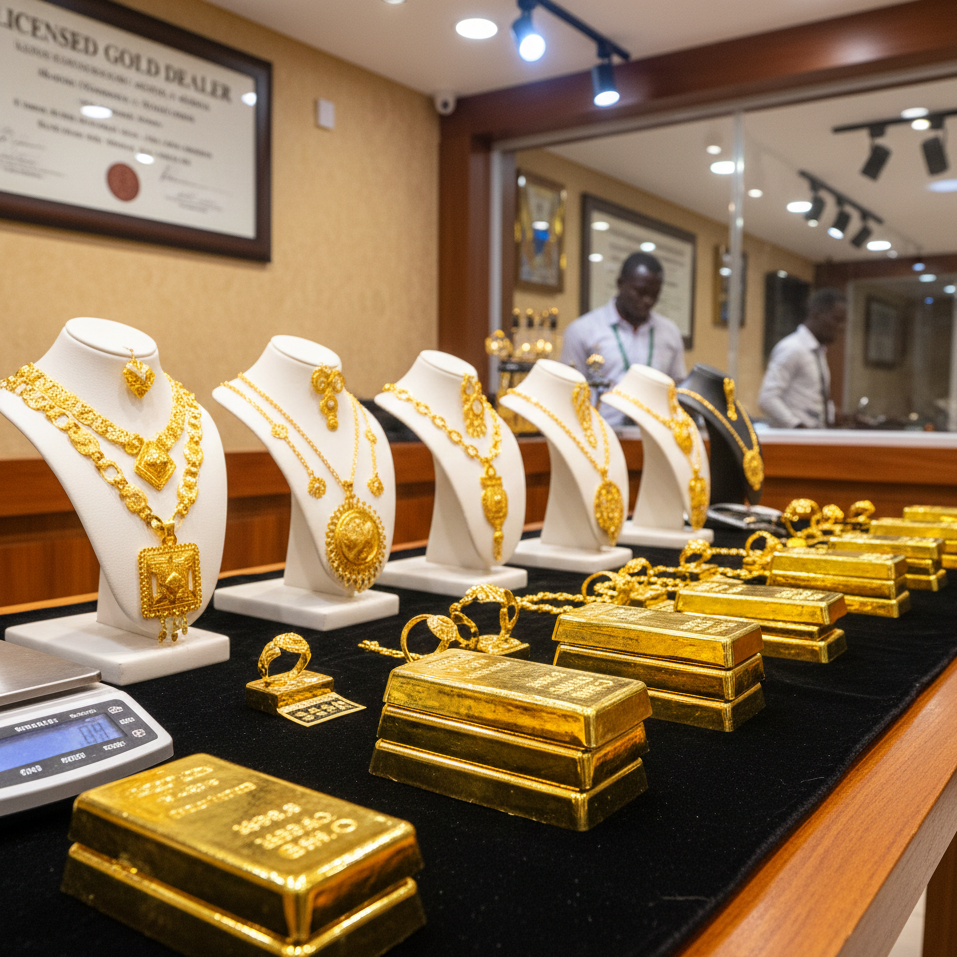
Image: Gold bars and jewellery at a licensed dealer in Accra, Ghana
2. Institutional Gold Pricing: The Professional Standard
Professional exporters like Africa Gold Reserve do not use retail rates. Instead, they price gold based on:
- The LBMA Gold Price (e.g., $2,300 per troy ounce as of February 2026)
- Fine gold content (90–99.99% purity)
- Export terms (FOB, CIF)
- Compliance documentation (no markup for ethics—just eligibility)
This ensures alignment with global refiners in Dubai, Zurich, and New York, who require audit-ready supply—not local scrap valuations.
💡 Pure gold value: ~$74 per gram (based on $2,300/oz).
3. Why Local Prices Differ from Global Benchmarks
- Currency volatility: Weak local currencies inflate ZAR/GHS/NGN prices even if USD gold is stable
- VAT and duties: Up to 15% in some countries
- Informal premiums: Street buyers pay less, but lack documentation
- Liquidity gaps: Limited refining capacity in some regions increases dealer margins
Only licensed, documented gold can be legally exported and refined internationally.
4. Africa Gold Reserve’s Pricing Model
Operating across Ghana, South Africa, South Sudan, and the UK, Africa Gold Reserve:
- Sources gold exclusively from licensed local mines and registered small-scale miners
- Prices transactions against the LBMA benchmark, adjusted for actual fine content
- Provides full assay reports, GPS-tagged records, and digital chain-of-custody documentation
This model bypasses retail markups and ensures fair, transparent pricing for global buyers.
5. Key Guidance for Buyers
- ✅ For investment: Buy LBMA-certified bars or Krugerrands—avoid high-premium jewellery
- ❌ Avoid: Unverified sellers quoting “cheap” gold—often smuggled or counterfeit
- 🔍 Always confirm: Purity (assay certificate), origin, and export compliance
Conclusion
The “Africa gold price” has two realities:
- Retail: High, VAT-inclusive rates in local currency—suitable for personal use
- Institutional: USD-denominated, LBMA-linked pricing for compliant, high-purity gold
For professional buyers, only the latter matters. Partnering with a disciplined exporter like Africa Gold Reserve ensures access to ethically sourced, transparently priced African gold—free from retail markups and informal market risks.
Website: africagoldreserve.com
Email: sales@africagoldreserve.com
Africa Gold Price – Understanding Retail Rates vs. Institutional Export Value
The Africa gold price varies significantly depending on whether you’re an individual buyer purchasing retail jewellery or bars, or an institutional trader sourcing high-purity gold for export. For serious buyers—refiners, commodity traders, and investors—the relevant benchmark is not local street rates, but globally aligned, compliant pricing tied to the LBMA Gold Price.
1. Retail Gold Prices Across Africa (Per Gram)
Retail prices include VAT, dealer premiums, and currency conversion. As of early 2026:
| Country | Approx. Price (Local Currency) | USD Equivalent* |
|---|---|---|
| South Africa | R3,600 – R3,900 | $195 – $210 |
| Ghana | GHS 1,850 – GHS 2,100 | $130 – $150 |
| Nigeria | ₦360,000 – ₦410,000 | $240 – $270 |
| Kenya | KES 85,000 – KES 95,000 | $640 – $720 |
*USD equivalents fluctuate with exchange rates.
Note: South Africa charges 15% VAT on gold bars, but Krugerrand coins are VAT-exempt.
These rates apply to small bars, jewellery, or coins sold to individuals—not bulk investment-grade material.
Image: Gold bars and jewellery at a licensed dealer in Accra, Ghana
2. Institutional Gold Pricing: The Professional Standard
Professional exporters like Africa Gold Reserve do not use retail rates. Instead, they price gold based on:
- The LBMA Gold Price (e.g., $2,300 per troy ounce as of February 2026)
- Fine gold content (90–99.99% purity)
- Export terms (FOB, CIF)
- Compliance documentation (no markup for ethics—just eligibility)
This ensures alignment with global refiners in Dubai, Zurich, and New York, who require audit-ready supply—not local scrap valuations.
💡 Pure gold value: ~$74 per gram (based on $2,300/oz).
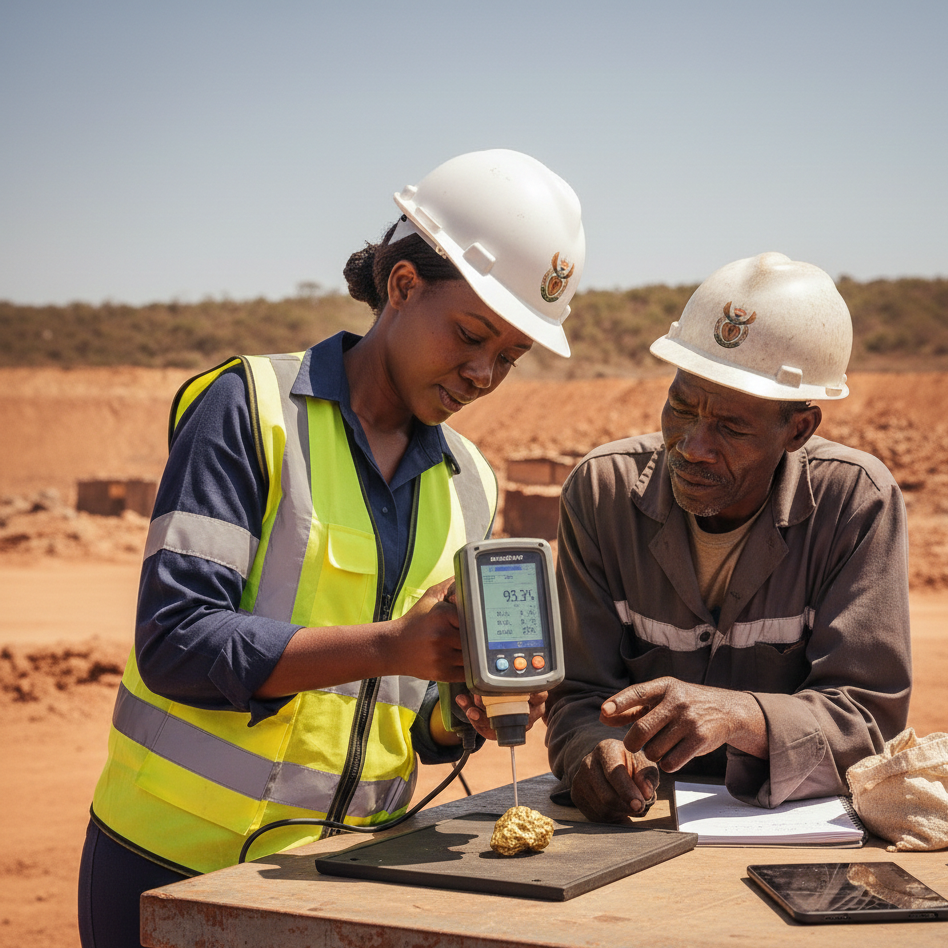
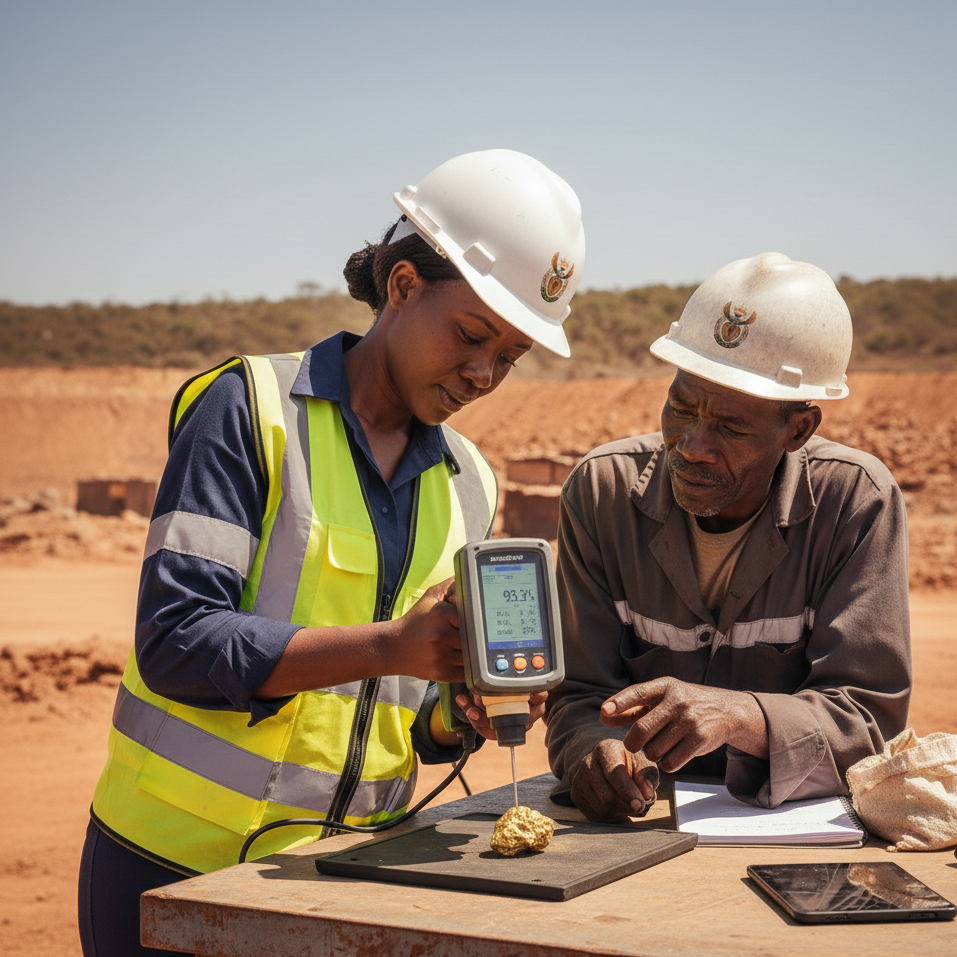
Image: Field technician conducting real-time gold purity test using calibrated XRF device
3. Why Local Prices Differ from Global Benchmarks
- Currency volatility: Weak local currencies inflate ZAR/GHS/NGN prices even if USD gold is stable
- VAT and duties: Up to 15% in some countries
- Informal premiums: Street buyers pay less, but lack documentation
- Liquidity gaps: Limited refining capacity in some regions increases dealer margins
Only licensed, documented gold can be legally exported and refined internationally.
4. Africa Gold Reserve’s Pricing Model
Operating across Ghana, South Africa, South Sudan, and the UK, Africa Gold Reserve:
- Sources gold exclusively from licensed local mines and registered small-scale miners
- Prices transactions against the LBMA benchmark, adjusted for actual fine content
- Provides full assay reports, GPS-tagged records, and digital chain-of-custody documentation
This model bypasses retail markups and ensures fair, transparent pricing for global buyers.
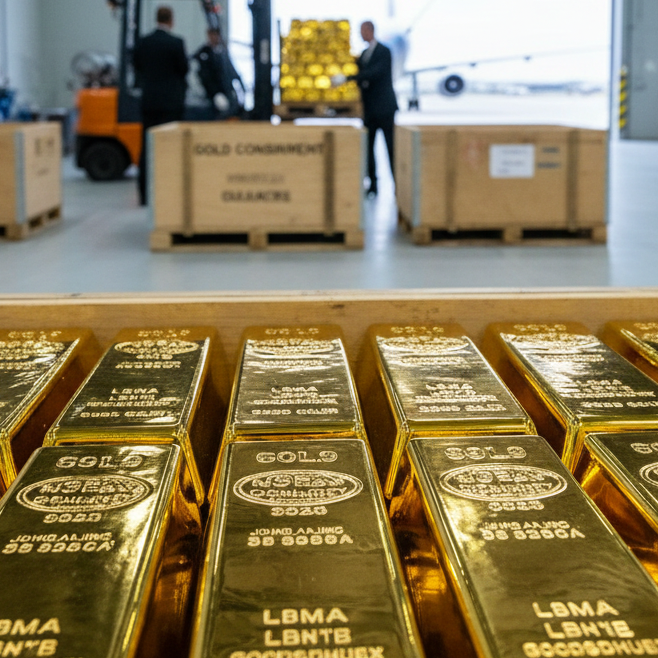
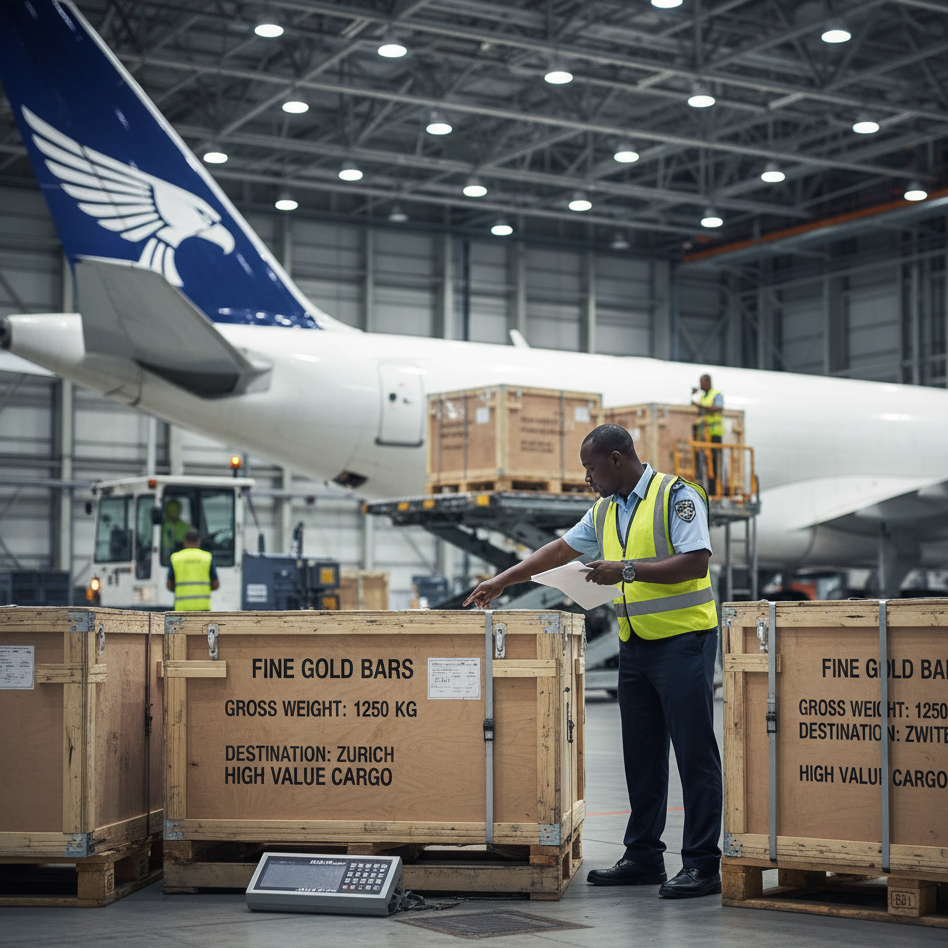
Image: Sealed gold consignment undergoing inspection before air cargo loading
5. Key Guidance for Buyers
- ✅ For investment: Buy LBMA-certified bars or Krugerrands—avoid high-premium jewellery
- ❌ Avoid: Unverified sellers quoting “cheap” gold—often smuggled or counterfeit
- 🔍 Always confirm: Purity (assay certificate), origin, and export compliance
Conclusion
The “Africa gold price” has two realities:
- Retail: High, VAT-inclusive rates in local currency—suitable for personal use
- Institutional: USD-denominated, LBMA-linked pricing for compliant, high-purity gold
For professional buyers, only the latter matters. Partnering with a disciplined exporter like Africa Gold Reserve ensures access to ethically sourced, transparently priced African gold—free from retail markups and informal market risks.
Website: africa-gold.com
Email: sales@africa-gold.com