
Can You Buy Gold in Africa? Understanding Legal Channels and Institutional Sourcing
Yes, you can buy gold in Africa—but how, where, and from whom you buy determines whether the transaction is legal, compliant, and suitable for institutional or investment purposes. Africa produces nearly 950 tonnes of gold annually, yet much of it moves through informal channels that lack documentation, making it unsuitable for global trade. For serious buyers—refiners, commodity traders, and institutional investors—the key is sourcing from licensed, verified suppliers.
1. Retail vs. Institutional Gold Purchases
A. Retail Buyers (Individuals)
- Can purchase gold jewellery, coins (e.g., Krugerrands), or small bars from:
- Licensed dealers in South Africa (e.g., Standard Bank, SA Bullion)
- Jewellery stores in Accra, Nairobi, or Johannesburg
- Subject to VAT (up to 15%) and significant markups (30–100% over melt value)
- Not suitable for export or refining without additional certification
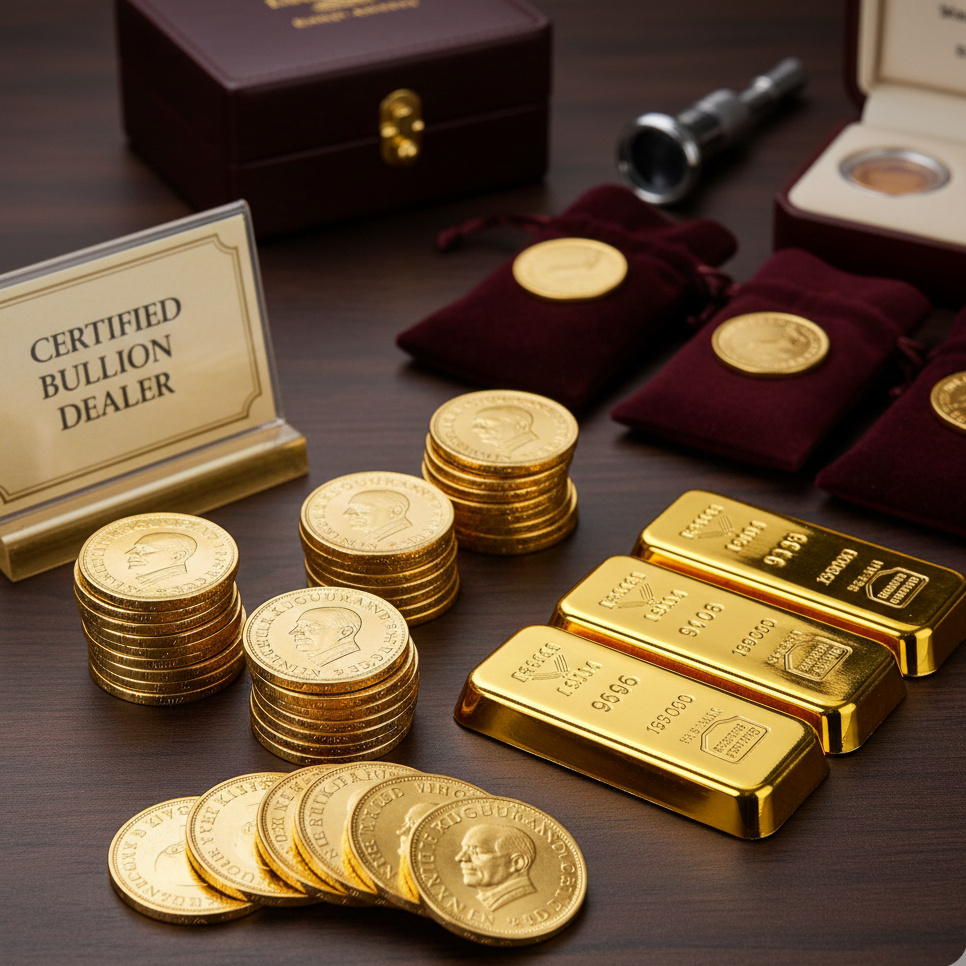
Image: Krugerrand coins and gold bars at a certified bullion dealer in Sandton, South Africa
B. Institutional Buyers
- Must source high-purity gold (90–99.99%) from:
- Licensed mines
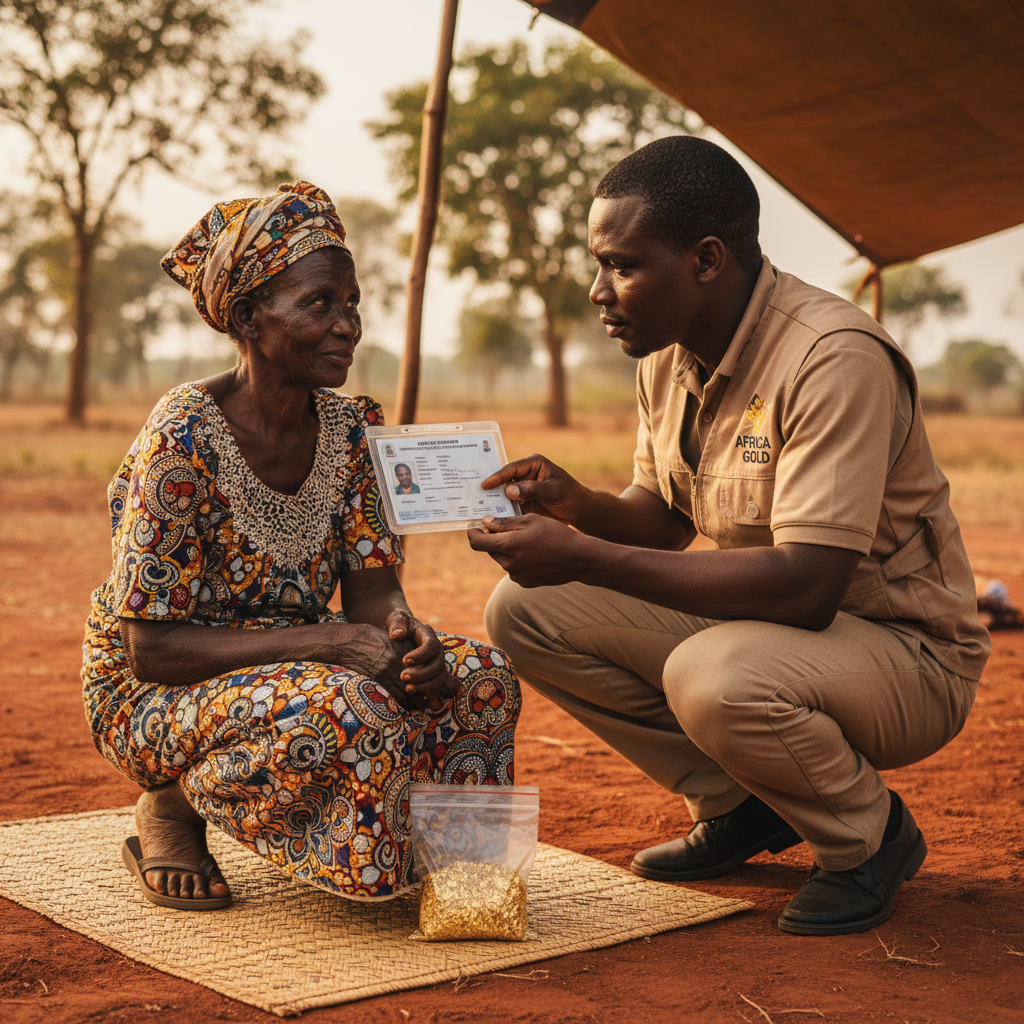
- Registered small-scale miner cooperatives
- Government-authorized aggregators
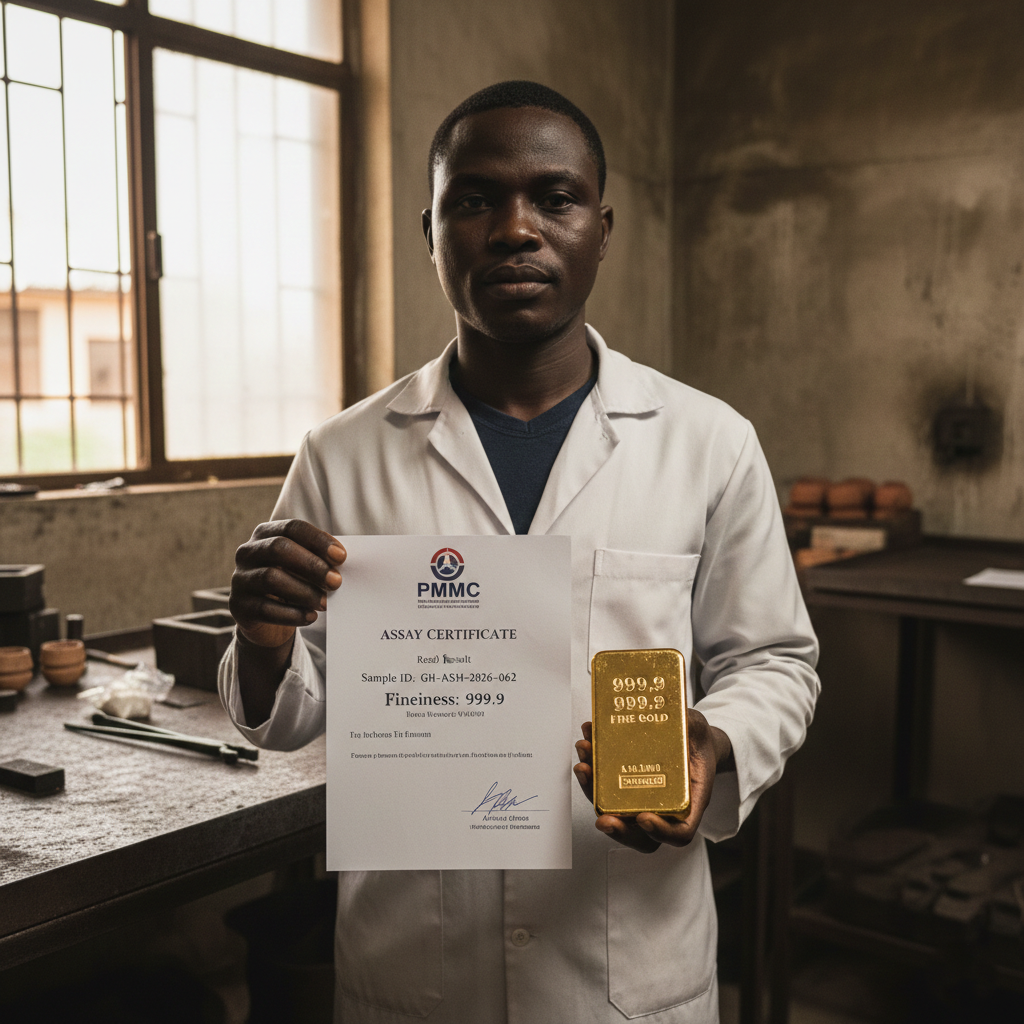
- Requires export permits, assay certificates, and chain-of-custody records
- Only this gold qualifies for international refining and LBMA compliance
2. Legal Framework by Country
- Ghana: All exports must go through the Precious Minerals Marketing Company (PMMC); only licensed buyers can legally acquire and export gold.
- South Africa: Governed by the Mineral and Petroleum Resources Development Act (MPRDA); all mineral rights belong to the state, and exporters need permits from the Department of Mineral Resources and Energy.
- South Sudan: New mining laws (2023) require formal licensing; unlicensed trade is illegal.
- DRC, Sudan, and others: High risk of conflict-linked gold; due diligence is mandatory under OECD guidelines.
⚠️ Buying gold from unlicensed sellers—even at attractive prices—is illegal and risks seizure, reputational damage, or exclusion from global markets.

Image: Licensed small-scale miner delivering gold concentrate in Obuasi, Ghana
3. How Professional Exporters Enable Secure Purchases
Companies like Africa Gold Reserve (founded in 2015, headquartered in South Africa) facilitate compliant gold acquisition by:
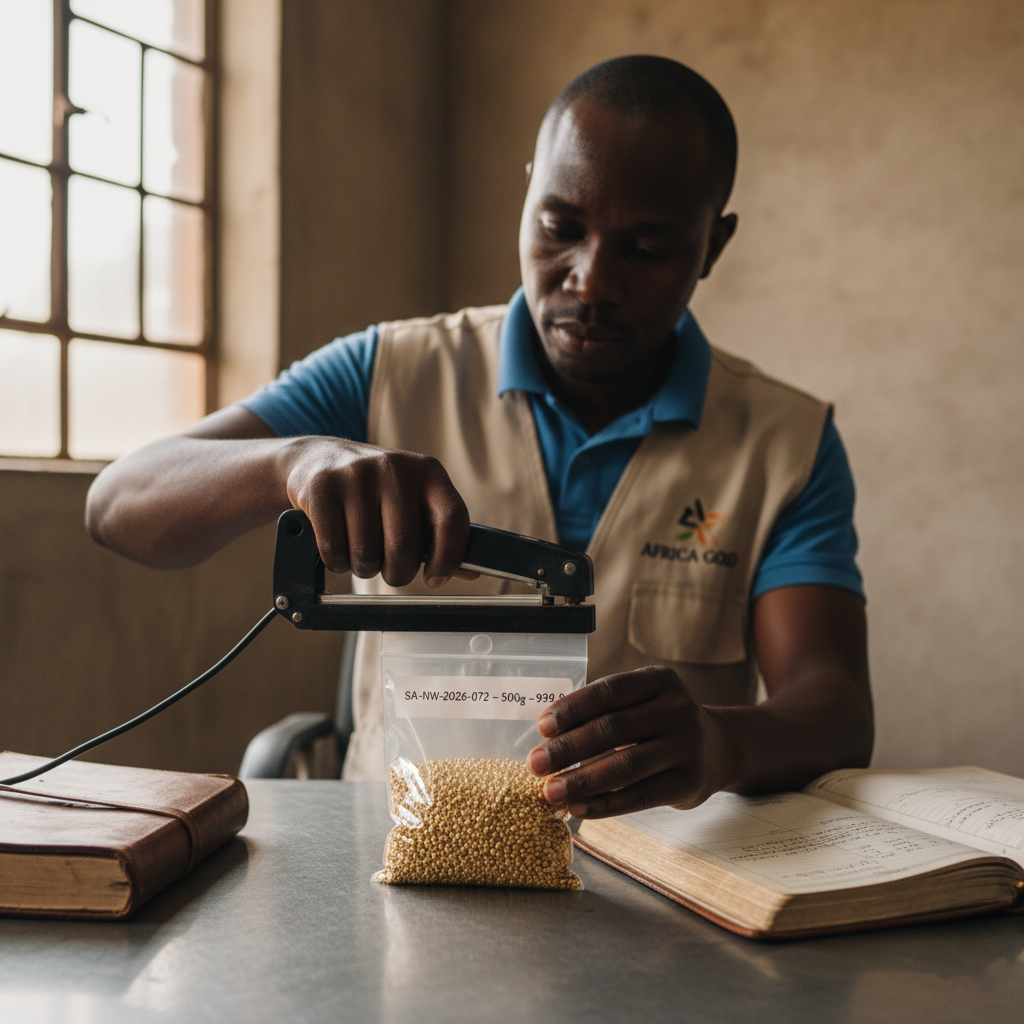
- Sourcing exclusively from licensed local mines, registered small-scale miners, and government-authorized sellers in Ghana, South Africa, and South Sudan
- Conducting on-site assaying (XRF/fire assay)
- Providing GPS-tagged digital records and full chain-of-custody documentation
- Exporting directly to buyers in the UAE, United States, China, Europe, and Asia
This model ensures buyers receive audit-ready gold that meets OECD Due Diligence Guidance and LBMA Responsible Gold standards.
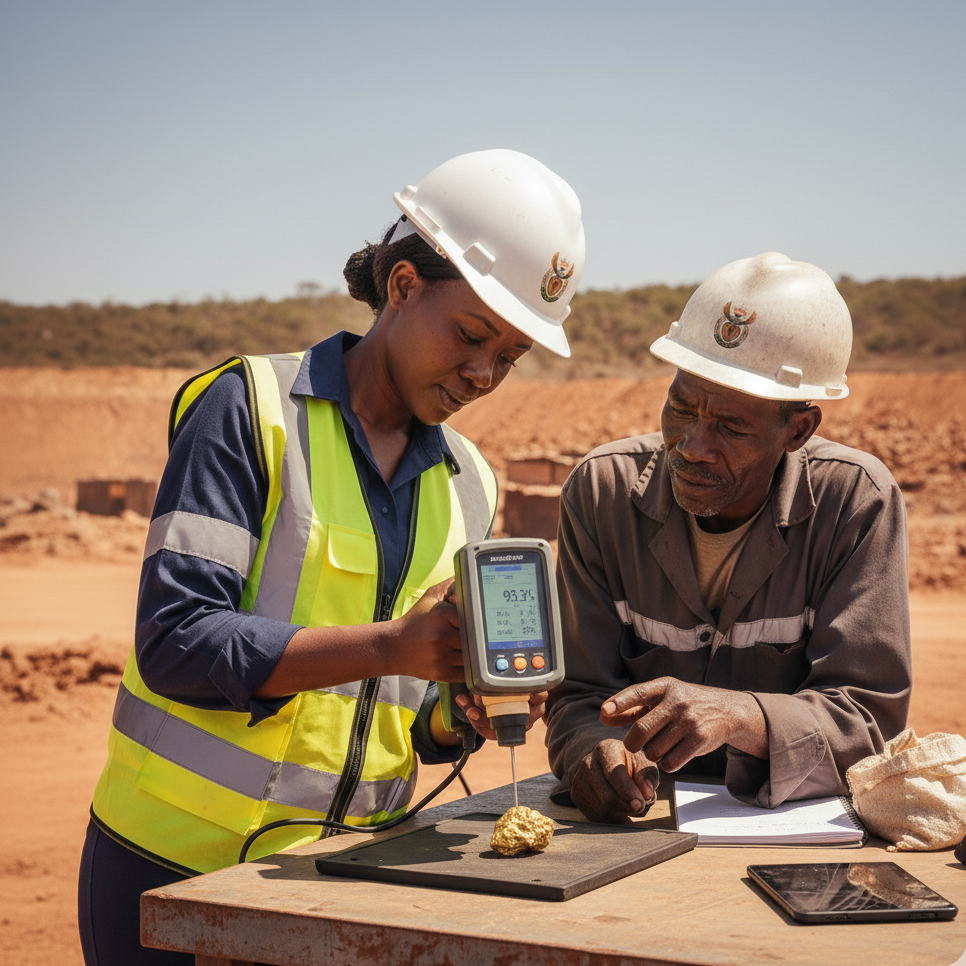
Image: Field technician conducting real-time gold purity test using calibrated XRF device
4. Red Flags to Avoid
❌ Unlicensed street vendors or online sellers
❌ Offers significantly below market price
❌ No export permits or assay reports
❌ Requests for upfront payment via cryptocurrency or wire transfer
These are common traits of scams or illicit trade.
Conclusion
Yes, you can buy gold in Africa—but only through legal, documented channels if you intend to use it for investment, refining, or international trade. For retail buyers, Krugerrands and certified jewellery offer accessible entry points. For institutions, partnering with a professional exporter like Africa Gold Reserve ensures secure, ethical, and compliant access to African gold.
Website: africa-gold.com
Email: sales@africa-gold.com