

How to Buy Gold in Africa – A Professional Guide for Institutional Buyers
Buying gold in Africa is entirely possible—but doing so legally, ethically, and efficiently requires a clear understanding of regulatory frameworks, sourcing channels, and compliance standards. For institutional buyers—refiners, commodity traders, importers, and investment firms—the goal is not simply to acquire gold, but to secure audit-ready, responsibly sourced material that meets international requirements.
1. Understand the Two Tiers of Gold Supply
Africa’s gold market operates on two levels:
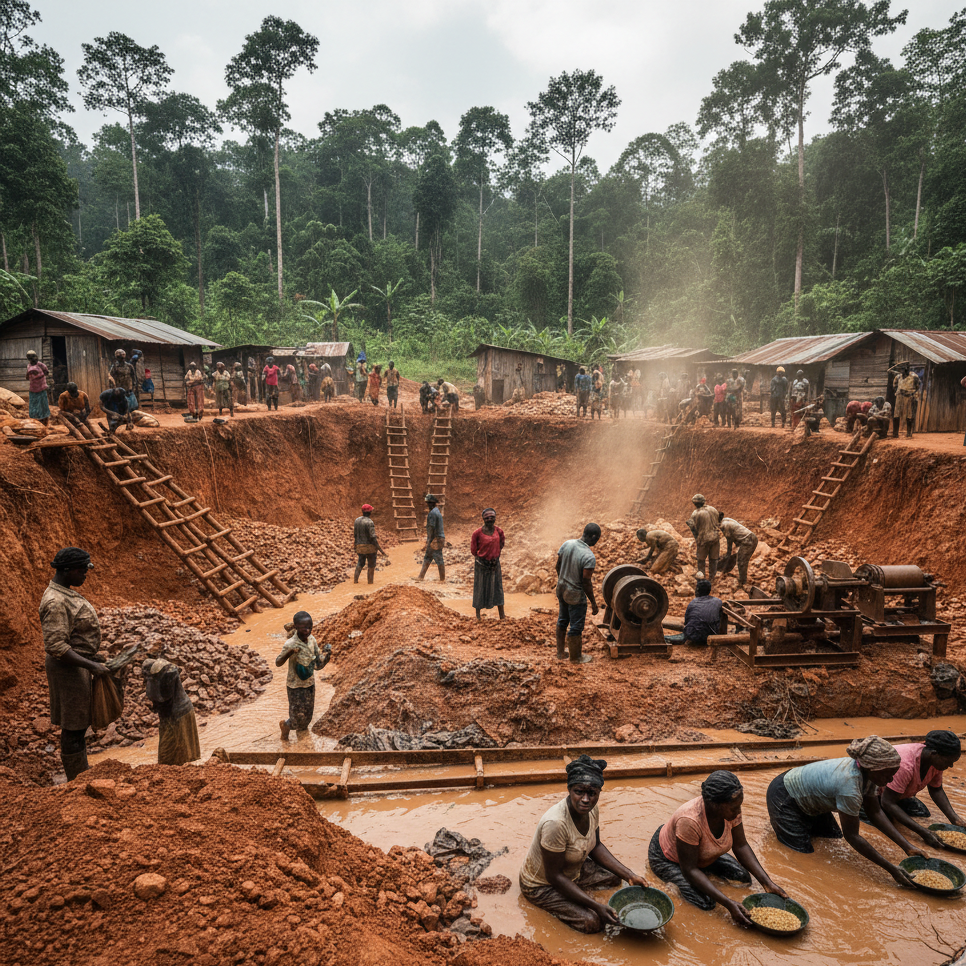
- Retail/Informal Tier: Street vendors, unlicensed dealers, or artisanal sellers offering gold without documentation. This gold is not exportable and carries high legal and reputational risk.
- Formal/Compliant Tier: Licensed mines, registered small-scale miner cooperatives, and government-authorized aggregators. This is the only acceptable source for institutional buyers.
⚠️ Never buy from unverified sellers—even if prices appear attractive. Undocumented gold cannot be refined or traded in compliant markets.
Image: Licensed small-scale miner delivering gold concentrate at a PMMC-authorized center in Obuasi, Ghana
2. Key Legal Requirements by Country
Each major gold-producing nation enforces strict rules:
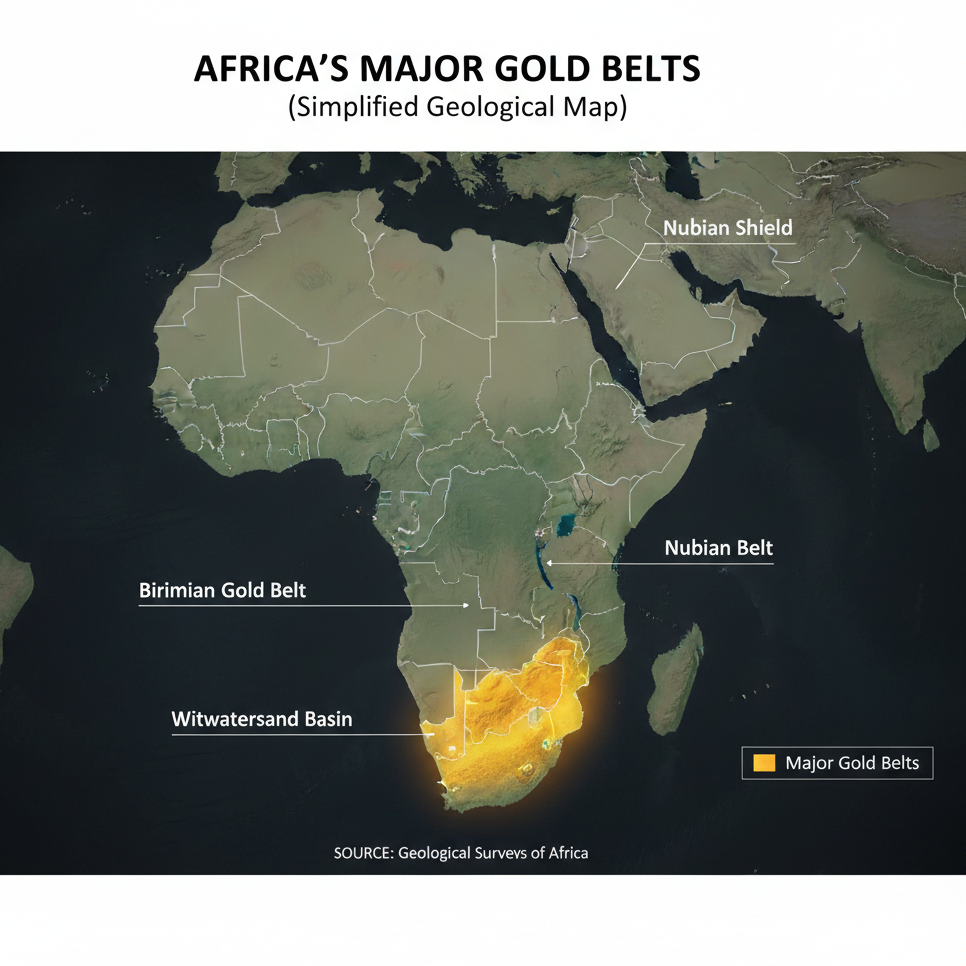
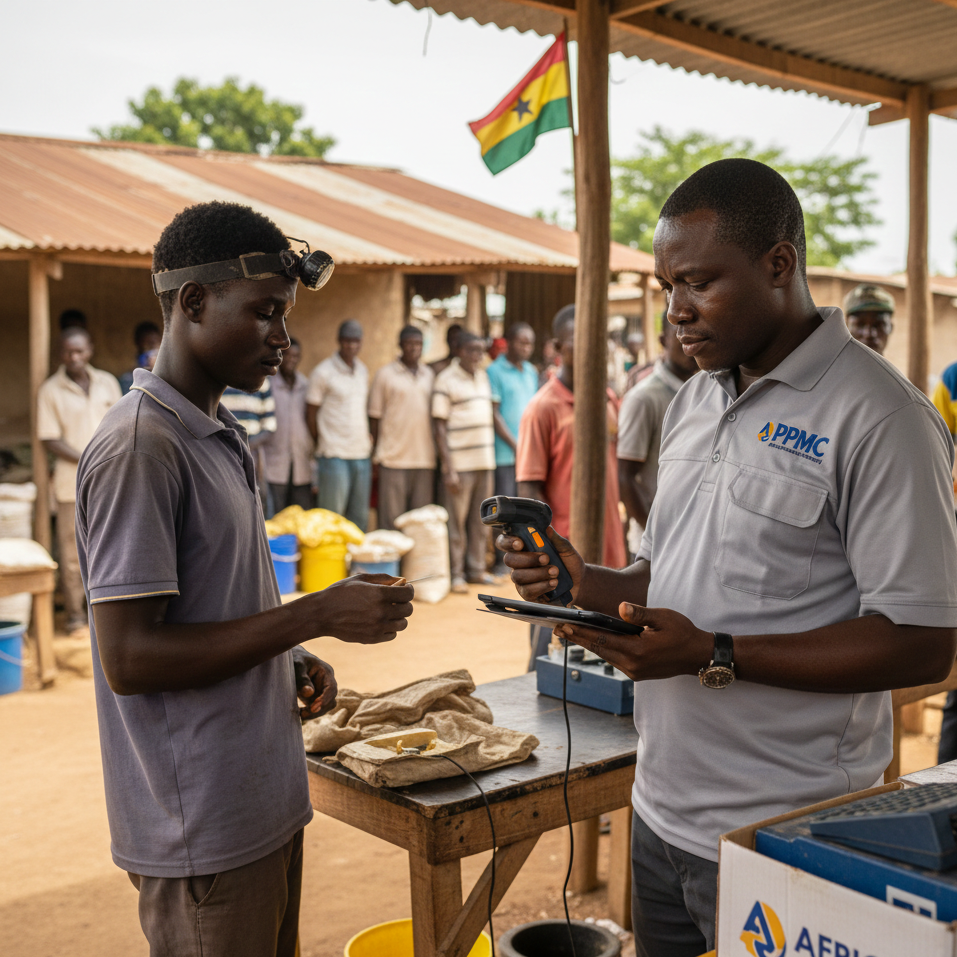
- Ghana: All exports must pass through the Precious Minerals Marketing Company (PMMC). Sellers require mineral dealer licenses.
- South Africa: Governed by the Mineral and Petroleum Resources Development Act (MPRDA). Export permits required from the Department of Mineral Resources and Energy.
- South Sudan: New mining law (2023) mandates formal licensing; only authorized sellers may export.
- Mali & Burkina Faso: Require environmental approvals and community agreements.
Documentation must include:
- Valid seller license
- Assay certificate (purity verification)
- Export permit
- Chain-of-custody record
3. The Professional Buying Process
Institutional buyers should follow this workflow:
- Partner with a Verified Exporter
Work with a company that has boots-on-the-ground presence and a track record of compliance. - Verify Source Legitimacy
Confirm the seller holds valid mining or trading licenses from national authorities. - Conduct On-Site Assaying
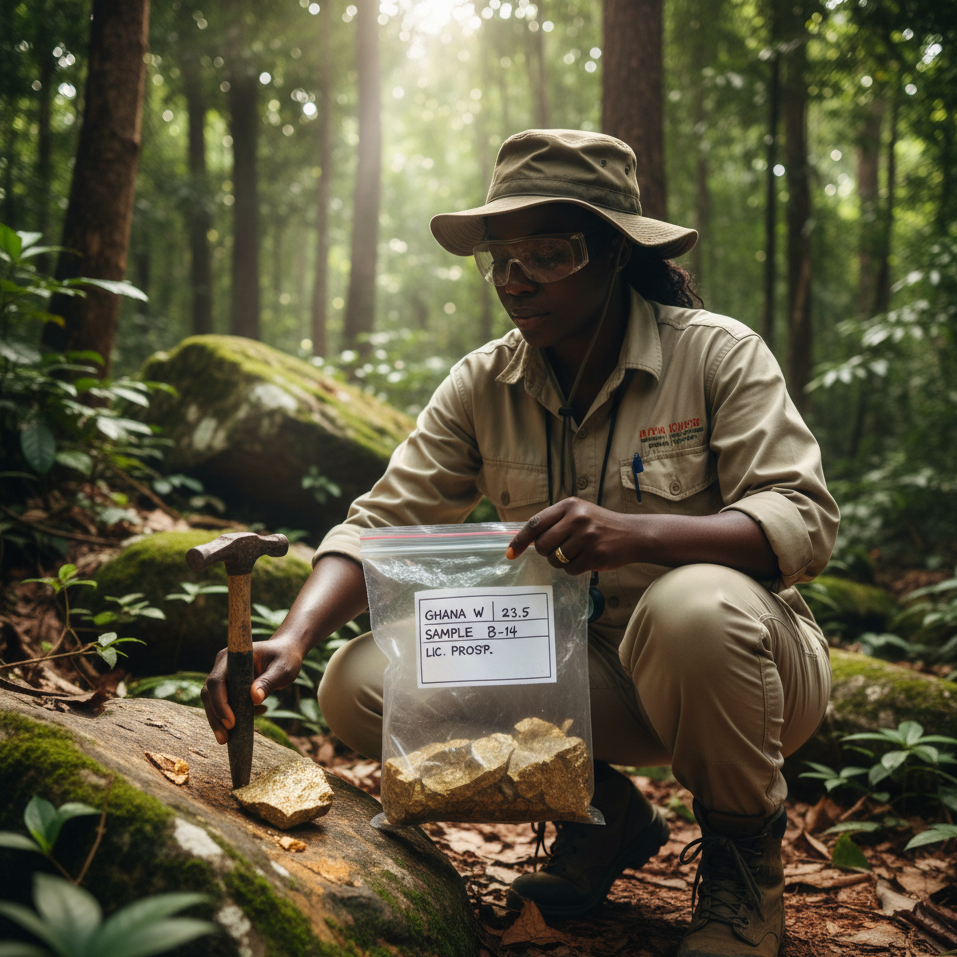
Use calibrated XRF or fire assay to confirm fine gold content (typically 90–99.99%). - Secure Documentation
Obtain digital records including GPS-tagged collection data, origin certificates, and export permits. - Arrange Secure Logistics
Ship via insured, tracked air cargo from major airports (e.g., Kotoka in Accra, O.R. Tambo in Johannesburg).
4. Why Direct Sourcing Is Rarely Advisable
Most international buyers should not attempt to buy directly from mines or miners due to:
- Language and regulatory barriers
- Inability to verify licenses remotely
- Risk of fraud or conflict-linked material
- Lack of refining-ready documentation
Instead, use a professional intermediary with local expertise.
5. Africa Gold Reserve: A Compliant Sourcing Partner
Founded in 2015 and headquartered in South Africa, Africa Gold Reserve operates across Ghana, South Africa, South Sudan, and the United Kingdom. The company:
- Sources gold only from licensed mines, registered small-scale miners, and government-authorized sellers
- Provides full OECD-aligned due diligence and LBMA-compliant documentation
- Exports to institutional buyers in the UAE, United States, China, Europe, Asia, and Middle East
Example trade routes include Ghana to the U.S., South Sudan to UAE, and South Africa to China.
Conclusion
To buy gold in Africa safely and legally, focus on compliance over cost. Partner with a trusted, on-the-ground exporter who can deliver fully documented, ethically verified gold. Avoid informal channels, prioritize traceability, and ensure every transaction meets global responsible sourcing standards.
Website: africa-gold.com
Email: sales@africa-gold.com