How Cheap Is Gold in Africa? Separating Perception from Market Reality
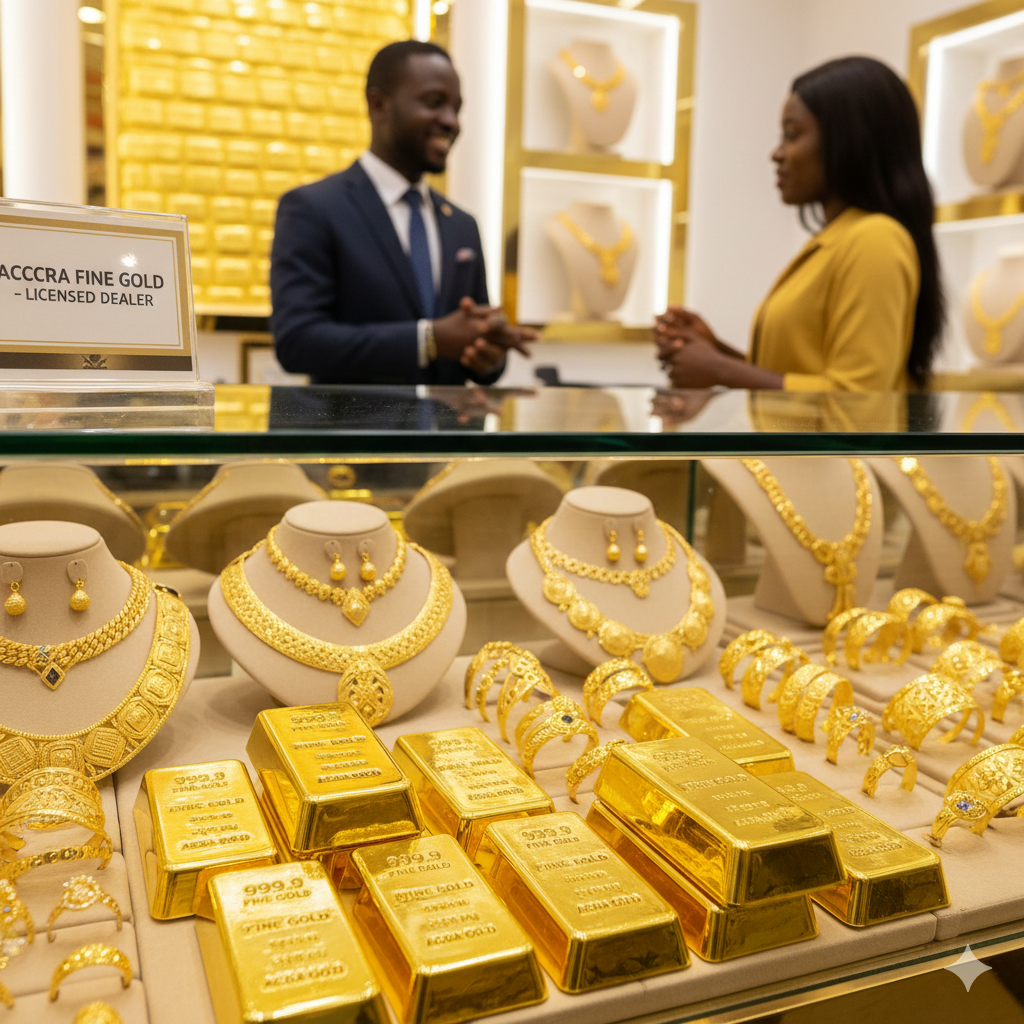
Gold in Africa is not meaningfully cheaper than global market prices—and any apparent discount usually signals significant legal, ethical, or financial risk. While local currency quotes (e.g., in South African Rand or Ghanaian Cedis) may appear low due to exchange rates, the underlying value aligns closely with the LBMA Gold Price (~$2,300 per troy ounce as of 2026). For serious buyers, “cheap” gold is often a red flag—not a bargain.
1. Retail Gold Prices Across Africa (Per Gram)
Country
Local Price (Per Gram)
USD Equivalent*
South Africa
R3,680 – R3,880
$194 – $205
Ghana
GHS 1,870 – GHS 2,080
$132 – $147
Nigeria
₦365,000 – ₦405,000
$243 – $270
*Based on current exchange rates; includes VAT and dealer premiums. Note: These prices reflect retail markups, not wholesale value.
When converted to USD and adjusted for purity, these rates track within 5–10% of the global benchmark—not a true discount.
2. Why “Cheap Gold” Is Usually Illicit or Risky
Offers of gold significantly below market rate typically involve:
Smuggled material from conflict zones (e.g., eastern DRC)
No documentation: Missing export permits, assay reports, or chain-of-custody records
Scam operations: Requesting upfront payment via wire transfer or cryptocurrency
Low actual purity: Misrepresented as 22K/24K but heavily alloyed
⚠️ The U.S. CFTC, World Gold Council, and INTERPOL consistently warn against “cheap African gold” schemes targeting international buyers.
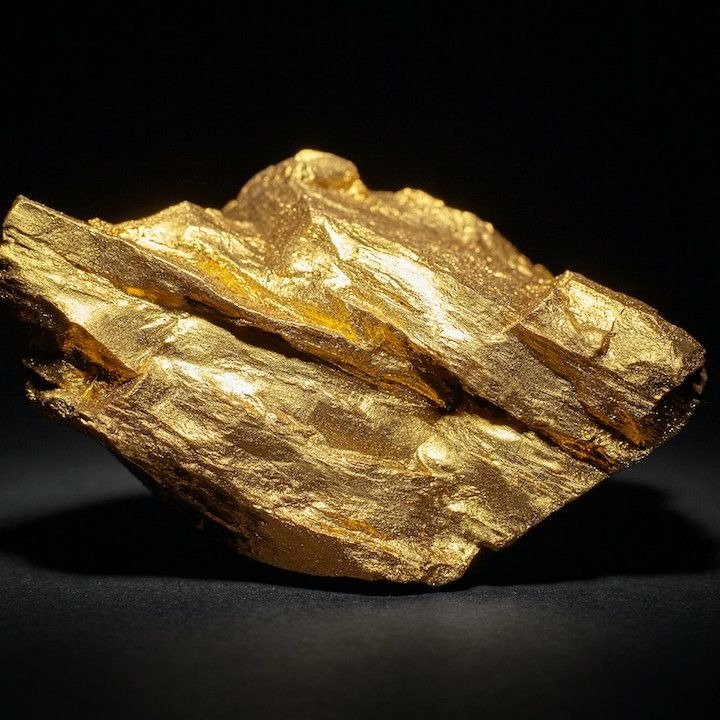
Image: Unverified seller offering gold without assay certification
3. Hidden Costs of “Discount” Gold
Even if acquired at a lower headline price, undocumented gold incurs steep hidden costs:
Refining fees: 5–15% for impure or unassayed material
Legal risk: Seizure by customs or exclusion from compliant markets
Reputational damage: Violates ESG, OECD, and anti-money laundering policies
Zero resale value: Reputable refiners reject non-compliant gold
In contrast, ethically sourced gold—priced at market rates—moves smoothly through global supply chains.
4. The Professional Alternative
Companies like Africa Gold Reserve do not seek “cheap” gold. Instead, they source exclusively from:
Licensed local mines
Registered small-scale miners
Government-authorized sellers
All transactions are priced against the LBMA benchmark, with full documentation aligned with OECD Due Diligence Guidance and LBMA Responsible Gold standards.
Conclusion
Gold in Africa is not cheap—and it shouldn’t be. True value lies in verifiable origin, compliance, and liquidity, not artificially low prices. For institutional buyers, partnering with a professional exporter like Africa Gold Reserve ensures access to ethically verified, transparently priced African gold—free from the risks of informal or illicit trade.