
Africa Gold Refinery – Key Players, Compliance, and Export Infrastructure
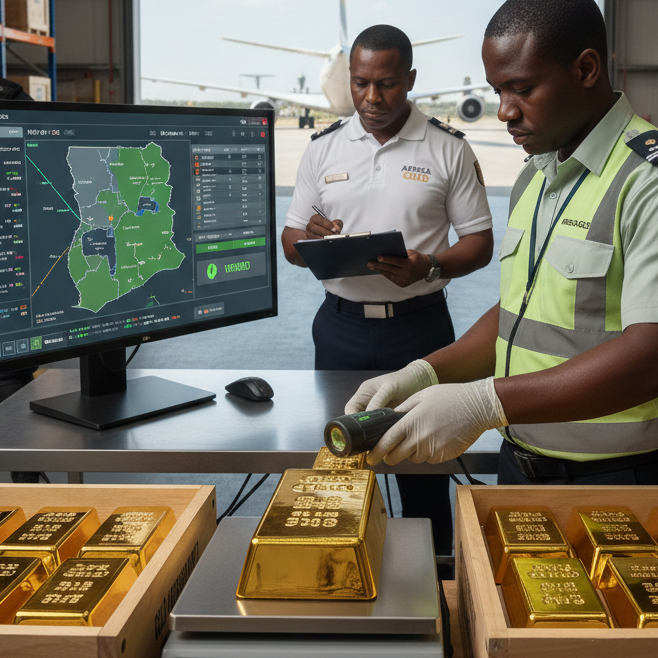
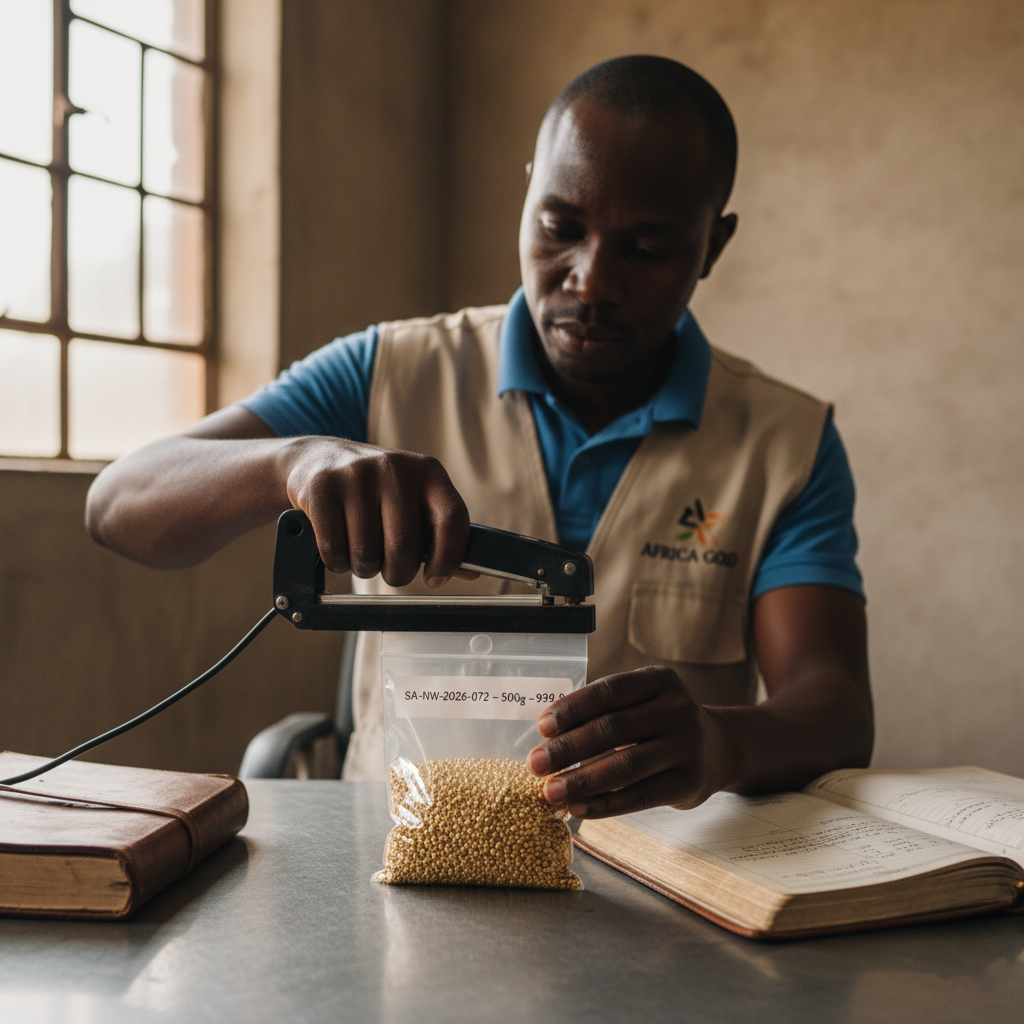
While the term “Africa gold refinery” may suggest a single entity, it actually refers to a network of licensed refining facilities across the continent that process raw gold into investment-grade bars. These refineries play a critical role in transforming mined doré or concentrate into LBMA-certified bullion, enabling African gold to enter global markets. However, only a few meet international compliance standards—making due diligence essential for buyers.
1. Major Gold Refineries in Africa
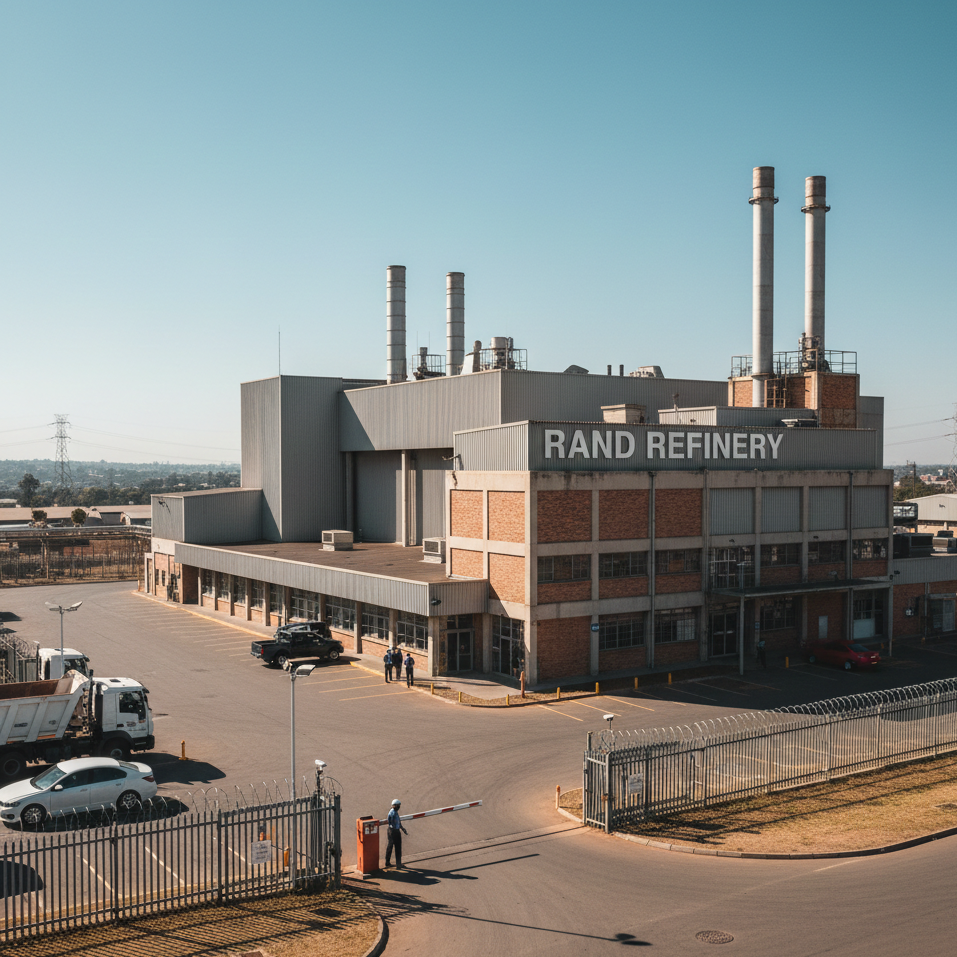
A. Rand Refinery (South Africa)
- Location: Germiston, Gauteng
- Capacity: One of the largest gold refineries in the world
- Certifications: LBMA Good Delivery, ISO 9001, RJC certified
- Clients: Supplies blanks to the South African Mint (Krugerrands) and exports globally
- Output: Processes >95% of South Africa’s gold and significant volumes from neighboring countries
B. Africa Gold Refinery Ltd (Uganda)
- Location: Entebbe
- Ownership: Joint venture with Dubai-based Kaloti Group
- Status: Previously LBMA-accredited but suspended in 2023 over concerns about gold origin from conflict-affected regions (e.g., DRC)
- Current Role: Still operational but under enhanced scrutiny; not currently on LBMA Good Delivery List
⚠️ Caution: Gold refined here may face restrictions in Western markets unless full chain-of-custody is proven.
C. Other Regional Refiners
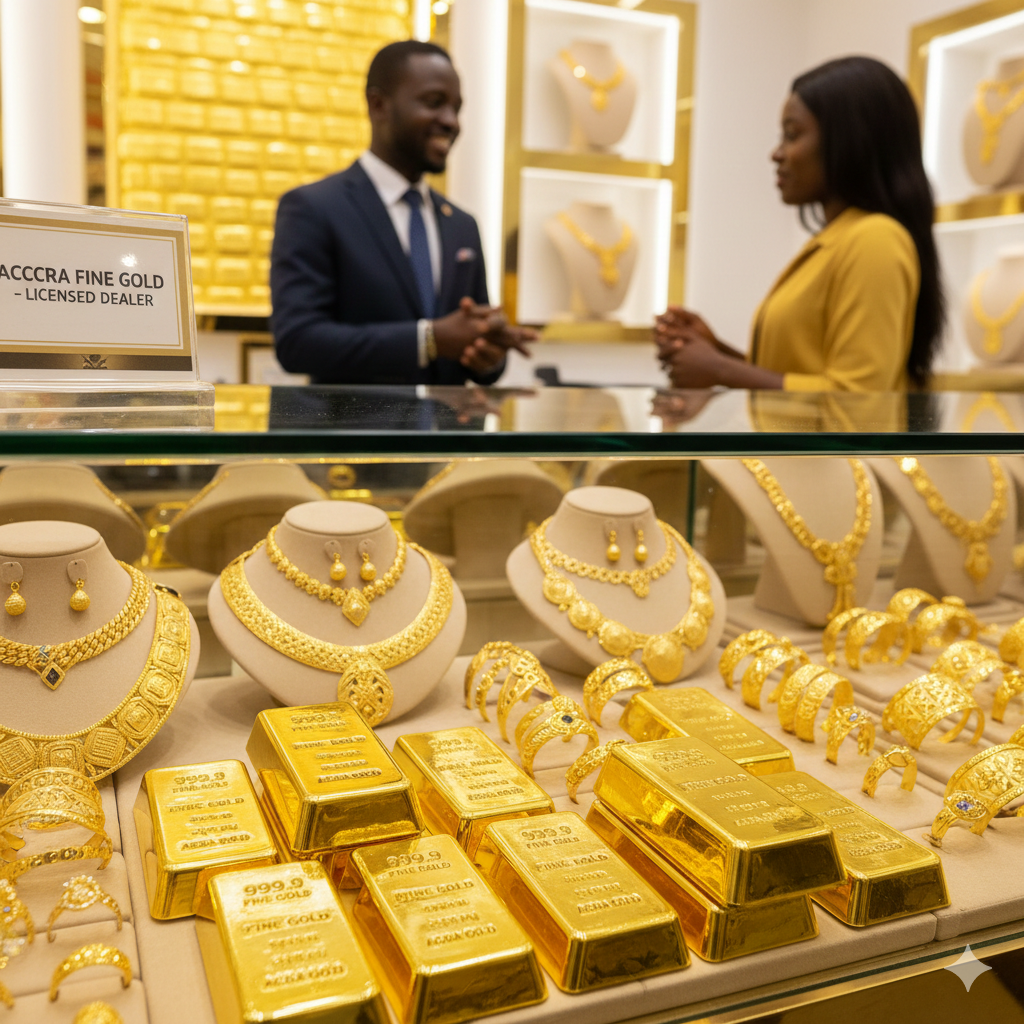
- Ghana: Small-scale assaying and smelting hubs in Accra and Obuasi—mostly pre-refining for export to UAE or Switzerland
- Mali & Burkina Faso: Limited local refining; most doré exported unrefined
- South Sudan & DRC: No formal refineries; all gold exported as concentrate or doré
2. Compliance and Ethical Challenges
For a refinery to serve global markets, it must comply with:
- OECD Due Diligence Guidance
- LBMA Responsible Gold Guidance
- Anti-Money Laundering (AML) and FICA/KYC regulations
Many African refineries struggle with:
- Verifying origin from artisanal miners
- Preventing conflict-linked material (especially from eastern DRC)
- Maintaining transparent audit trails
Only Rand Refinery consistently meets these standards at scale.
3. Africa Gold Reserve’s Role
Africa Gold Reserve—founded in 2015 and headquartered in South Africa—does not operate a refinery. Instead, it sources high-purity gold from licensed mines and registered small-scale miners in Ghana, South Africa, and South Sudan, then exports it to LBMA-accredited refineries in:
- Dubai (UAE)
- Zurich (Switzerland)
- New York (USA)
This ensures end-to-end compliance without relying on regional refining capacity.
4. Why Global Buyers Prefer Export Over Local Refining
- LBMA Certification: Most African refineries (except Rand) lack Good Delivery status
- Audit Readiness: International refiners require full documentation—often unavailable locally
- Market Access: Gold refined in Dubai or Switzerland faces fewer import barriers in Europe and North America
As a result, even high-quality African gold is often exported unrefined for final processing overseas.
Conclusion
The “Africa gold refinery” landscape is dominated by Rand Refinery in South Africa, with limited compliant alternatives elsewhere. For institutional buyers, the safest path is to source ethically verified, unrefined gold from trusted exporters like Africa Gold Reserve and rely on global LBMA-certified refineries for final processing. This model ensures both quality and compliance in an increasingly regulated market.
Website: africa-gold.com
Email: sales@africa-gold.com