
Are There Gold Mines in Africa? A Strategic Overview for Global Buyers
Introduction
Yes—Africa is home to some of the world’s most significant gold mines, spanning industrial-scale operations and formalized artisanal sites across more than 20 countries. Far from being a historical footnote, African gold production remains a cornerstone of the global supply chain, accounting for nearly 25% of annual output. For international buyers, refiners, and commodity traders, understanding where these mines are located—and how gold moves from pit to port—is essential to securing reliable, compliant supply.
Industry Context
Africa’s gold mining sector has evolved dramatically over the past two decades. While South Africa once dominated global production, leadership has shifted to West Africa, where near-surface deposits in the Birimian Greenstone Belt offer high-grade, cost-efficient extraction. Today, the continent produces an estimated 900–950 tonnes of gold annually, with industrial miners and licensed small-scale operators coexisting under increasingly robust regulatory frameworks.
Governments are prioritizing formalization, traceability, and revenue transparency—aligning with OECD Due Diligence Guidance and enabling African gold to meet LBMA Responsible Gold standards. This shift has opened the door for professional exporters to bridge local production with global demand.
Regional Perspective
Gold mining activity is concentrated in three key regions:
- West Africa: Ghana, Mali, Burkina Faso, and Côte d’Ivoire lead output, driven by open-pit mines and formalized artisanal cooperatives. Ghana alone produces ~190 tonnes/year and operates a transparent gold export from Ghana system via the Precious Minerals Marketing Company (PMMC).
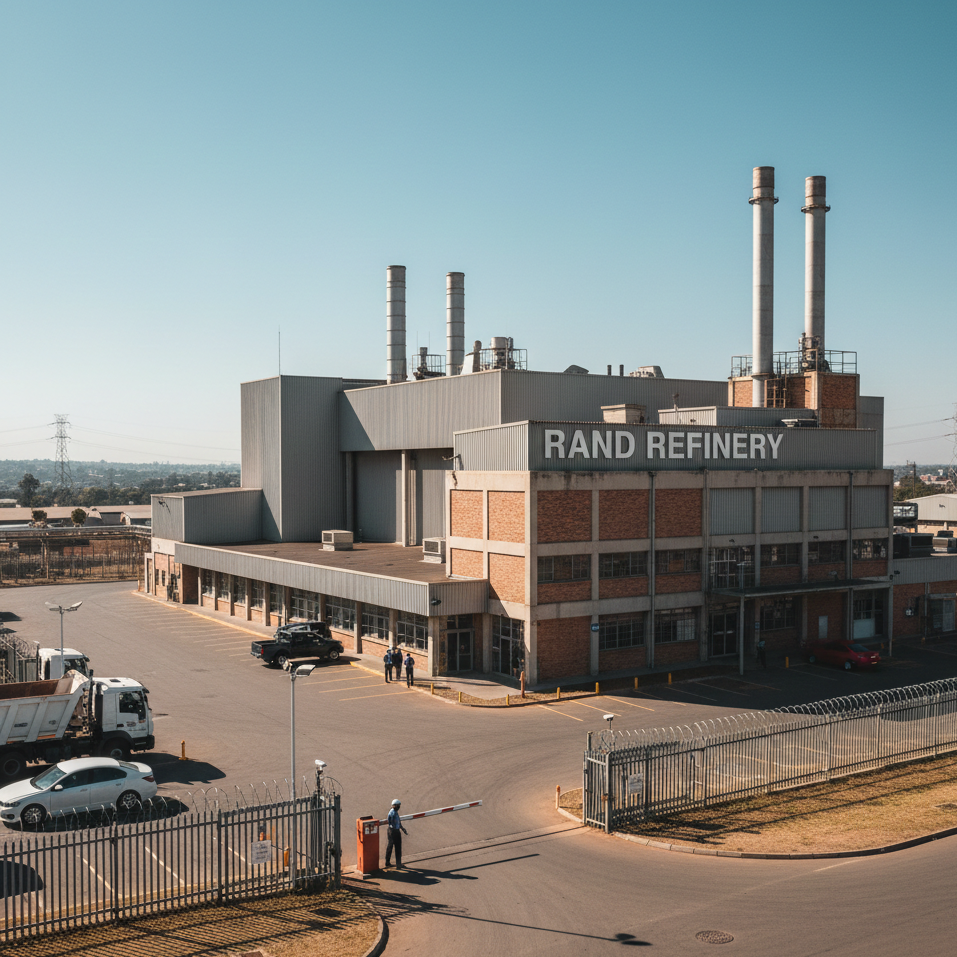
- Southern Africa: South Africa remains strategically vital due to its vast reserves (~2,000+ tonnes) and refining infrastructure (Rand Refinery). Though deep-level mining is costly, it continues at Mponeng and South Deep.
- East & Central Africa: South Sudan and Tanzania are emerging as compliant sources, while Sudan and DRC require rigorous due diligence due to governance and conflict risks.
For institutional buyers, the focus is not just on volume—but on verifiable origin and legal export pathways.
AFRICA GOLD’s Approach
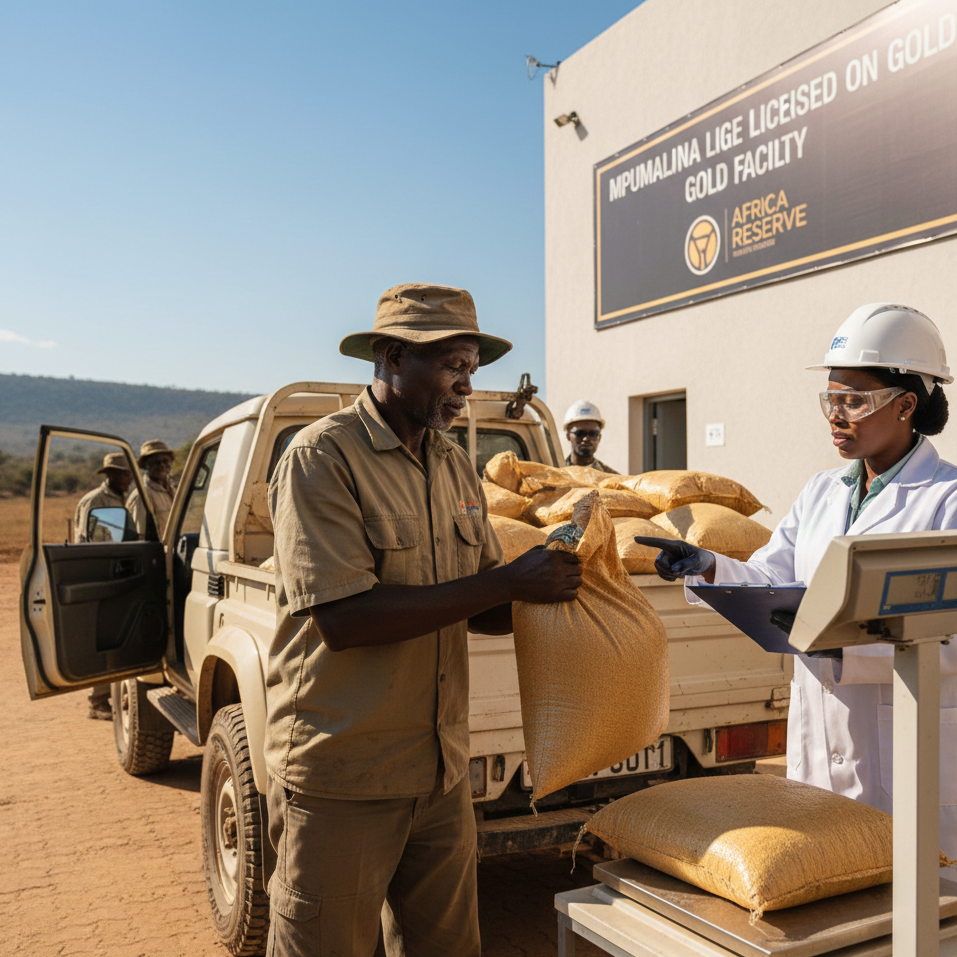
Founded in 2015 and headquartered in South Africa, AFRICA GOLD operates across four strategic jurisdictions: Ghana, South Africa, South Sudan, and the United Kingdom. The company does not speculate or trade paper contracts. Instead, it focuses exclusively on physical gold sourcing from:
- Licensed local mines
- Registered small-scale miners
- Government-authorized sellers
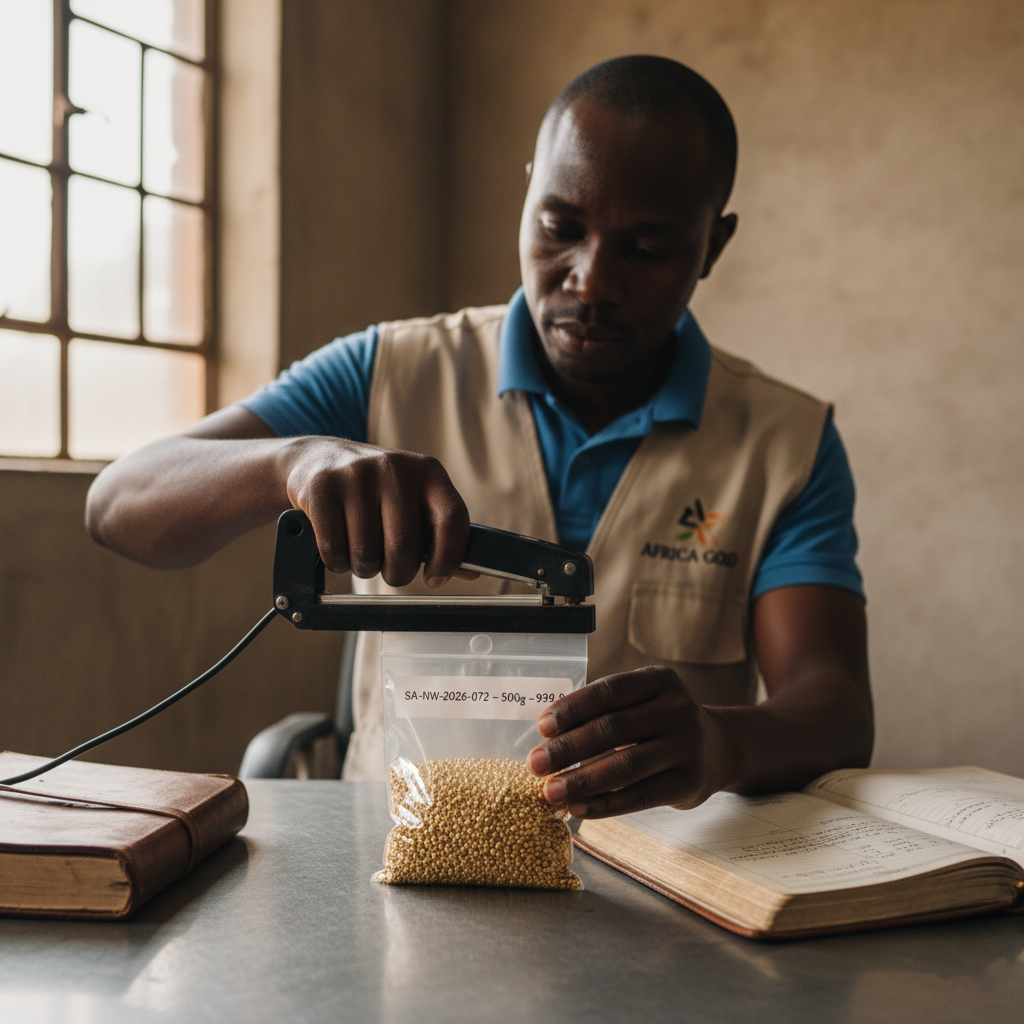
Every transaction undergoes on-site verification, including permit validation and real-time purity testing. This ensures all material meets international compliance standards before export.
Buying and Export Process
AFRICA GOLD’s process is designed for institutional efficiency and audit readiness:
- Sourcing: Gold is acquired only from verified, licensed entities.
- Assaying: On-site XRF testing, supplemented by fire assay when required.
- Documentation: Digital chain-of-custody logs, GPS-tagged records, and export permits.
- Logistics: Secure transport to international airports under insured custody.
- Export: Shipment to global destinations under standard trade terms (FOB, CIF).
Key trade routes include South Sudan to UAE, Ghana to the United States, and South Africa to China—all fully documented and compliant.
Global Demand
Demand for ethically sourced African gold continues to rise. Refineries in Dubai, Zurich, and New York now require proof of legal origin, community benefit agreements, and environmental compliance. This trend benefits professional African gold exporters who can provide transparent, documented supply.
Buyers no longer need to choose between volume and integrity. With the right partner, they can access both—without exposure to informal or high-risk channels.
Why Buyers Work with AFRICA GOLD
Global clients choose AFRICA GOLD because it is a trusted gold exporter with:
- On-the-ground presence in major producing regions
- Zero tolerance for unverified or informal supply
- Full alignment with OECD and LBMA standards
- Direct access to diversified sources: gold export from Ghana, South Sudan gold suppliers, and South Africa gold exporters
The company serves institutional buyers across the UAE, United States, China, Europe, Asia, and the Middle East—offering reliability over speculation.

Conclusion
Yes, there are gold mines in Africa—and they are increasingly integrated into compliant, transparent supply chains. For serious participants in international gold trading, the opportunity lies not in chasing the lowest price, but in securing auditable, ethically verified material. Partnering with a disciplined exporter like AFRICA GOLD ensures access to high-purity gold from Africa’s most reliable jurisdictions—backed by documentation, not promises.
Website: africa-gold.com
Email: sales@africa-gold.com