Can I Mine Gold in South Africa? Legal Requirements and Practical Realities
Yes, you can mine gold in South Africa, but only under strict legal and regulatory conditions. The country maintains one of Africa’s most structured mining frameworks, governed by national laws that prioritize state control, local participation, and environmental accountability. However, for individuals or foreign entities, direct gold mining is rarely feasible without significant capital, local partnerships, and multi-year licensing processes.
1. Legal Framework: Who Owns the Minerals?
Under South Africa’s Mineral and Petroleum Resources Development Act (MPRDA) of 2002, all mineral rights—including gold—belong to the state. Private parties (individuals or companies) cannot “own” minerals; they can only apply for reconnaissance, prospecting, or mining rights from the Department of Mineral Resources and Energy (DMRE).
Key requirements include:
Proof of financial and technical capacity
Environmental management plan (EMP) approval
Social and labour plan (SLP) demonstrating community benefits
Compliance with the Mining Charter, including minimum 30% B-BBEE (Black Economic Empowerment) ownership
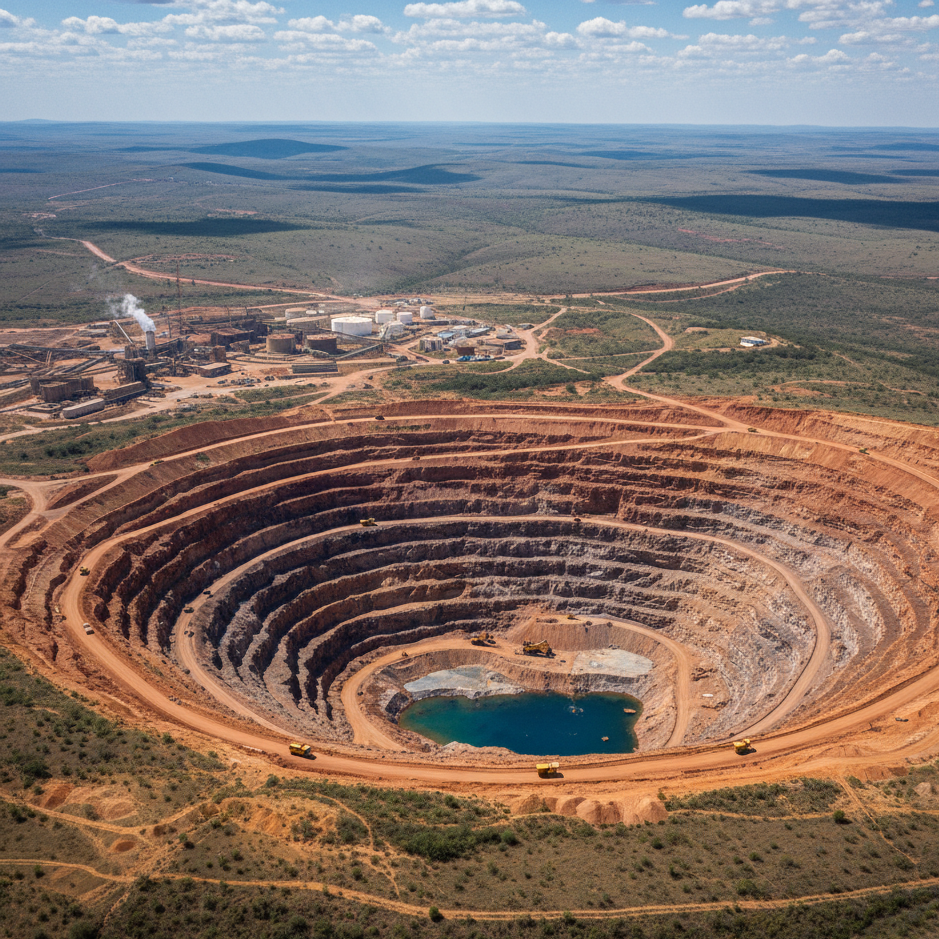
Image: Open-pit gold operation in Mpumalanga Province
2. Types of Mining Rights
Prospecting Right: Allows exploration (up to 5 years, renewable)
Mining Right: Grants permission to extract (up to 30 years, renewable)
Mining Permit: For small-scale, low-impact operations (e.g., artisanal miners)
All applications undergo public consultation and must align with land-use and water-use regulations.
⚠️ Note: Unauthorized mining (“zama zama” activity) is illegal and carries criminal penalties.
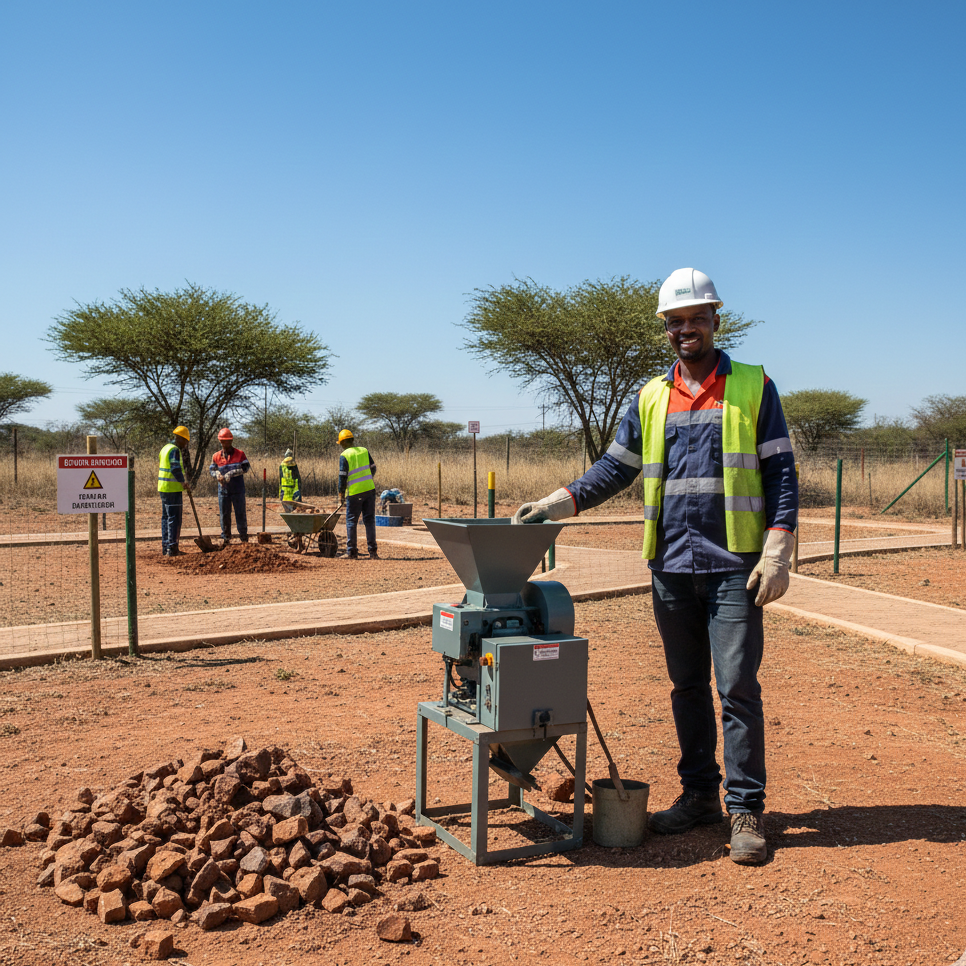
Image: Licensed small-scale miner at a formalized site in North West Province
3. Challenges for Foreign or Individual Applicants
High Capital Costs: Deep-level gold mining (e.g., Mponeng at 4 km depth) requires hundreds of millions in investment.
B-BBEE Mandate: Foreign companies must partner with South African entities to meet ownership rules.
Regulatory Delays: Licensing can take 18–36 months due to administrative backlogs.
Infrastructure Constraints: Load-shedding, water scarcity, and transport bottlenecks increase operational risk.
As a result, most international participants enter via joint ventures with established players like Harmony Gold, Sibanye-Stillwater, or Gold Fields.
4. Alternative: Source Gold Without Mining
For buyers who want exposure to South African gold without mining, the practical path is to purchase from licensed producers or exporters. Companies like Africa Gold Reserve:
Source gold exclusively from licensed mines and registered small-scale miners
Provide full chain-of-custody documentation
Export compliant gold to global markets under OECD and LBMA standards
This avoids the capital intensity and regulatory burden of mining while ensuring ethical supply.
5. Steps to Legally Mine Gold (Summary)
Register a South African company with CIPC
Secure B-BBEE partners (minimum 30% equity)
Submit prospecting application to DMRE
Conduct environmental and social impact assessments
Obtain water-use and land-access permits
Apply for mining right after proving viable deposit
The process is complex, costly, and time-intensive—suited only for well-resourced entities.
Conclusion
While it is legally possible to mine gold in South Africa, the barriers to entry are high. For most international investors or traders, the smarter strategy is not to mine, but to buy gold from verified, compliant sources. Partnering with a professional exporter like Africa Gold Reserve ensures access to ethically sourced South African gold—without the risks and costs of direct mining.