Can You Buy Cheap Gold in Africa? Separating Myth from Market Reality
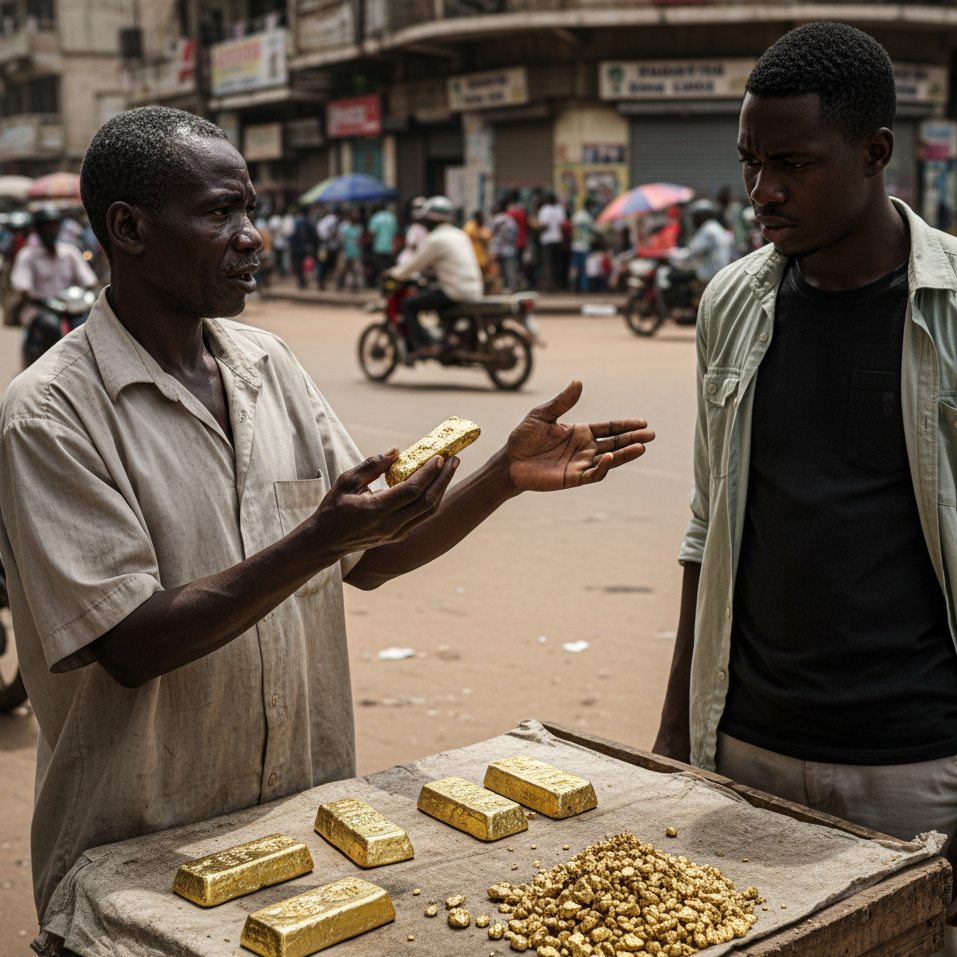
The idea of buying “cheap gold in Africa” is a persistent myth—often promoted by online scams, unverified brokers, or sensationalized media. In reality, gold is a globally priced commodity, and its value is set by international markets (primarily the LBMA and COMEX), not by local geography. While prices in African currencies may appear lower due to exchange rates, this does not translate to genuine bargains for international buyers—especially when compliance, logistics, and risk are factored in.
1. Why “Cheap Gold” Is Usually a Red Flag
Gold trades within a narrow global arbitrage band. If someone offers gold in Africa at prices significantly below the LBMA benchmark (~$2,300/oz as of 2026), it typically indicates one or more of the following:
Illicit origin: Smuggled from conflict zones (e.g., eastern DRC)
No documentation: Lacks export permits, assay certificates, or chain-of-custody records
Scam operation: Requests upfront payment via wire transfer or cryptocurrency
Low purity: Misrepresented as high-grade but contains base metals
⚠️ Warning: The U.S. CFTC, INTERPOL, and World Gold Council have repeatedly warned about fraud schemes using phrases like “cheap African gold” to lure unsuspecting buyers.
2. The Real Cost of “Cheap” Gold
Even if you acquire undocumented gold at a discount, hidden costs quickly erase any savings:
Refining fees: Up to 5–10% for impure or unassayed material
Legal risk: Seizure by customs or exclusion from compliant markets
Reputational damage: Violates ESG and anti-money laundering policies
No resale value: Reputable refiners will reject non-compliant gold
In contrast, ethically sourced gold—though priced at market rates—moves smoothly through global supply chains with full auditability.
3. Legal Gold Pricing in Africa
Licensed dealers in countries like South Africa and Ghana sell gold close to global benchmarks:
South Africa: R3,680–R3,880/gram for 24K (≈ $194–$205 USD)
Ghana: GHS 1,870–GHS 2,080/gram (≈ $132–$147 USD)
These prices include VAT (where applicable) and minor premiums—but they reflect real, legal, export-ready material.
💡 Note: Krugerrand coins in South Africa are VAT-exempt, making them more cost-efficient than bars or jewellery.
4. How Professional Exporters Source Responsibly
Companies like Africa Gold Reserve (founded in 2015, headquartered in South Africa) do not seek “cheap” gold. Instead, they prioritize:
Sourcing only from licensed mines and registered small-scale miners
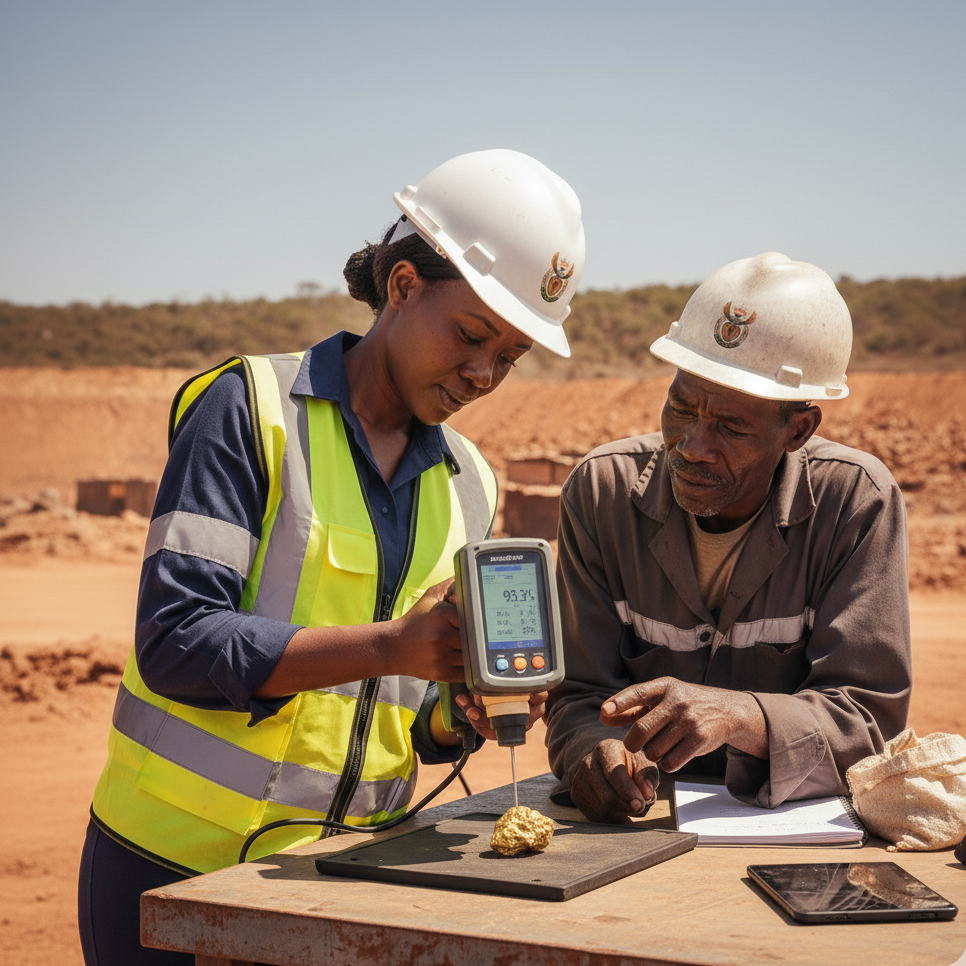
Verifying purity on-site with calibrated equipment
Providing full chain-of-custody documentation aligned with OECD and LBMA standards
This ensures clients receive audit-ready gold—not speculative bargains.
5. What Buyers Should Do Instead
✅ Work only with licensed, registered exporters
✅ Require assay reports, export permits, and digital records
✅ Avoid sellers who pressure for quick decisions or upfront payments
✅ Understand that compliance is not optional—it’s the price of market access
Conclusion
You cannot reliably buy “cheap gold in Africa” without compromising legality, ethics, or quality. The true value lies not in low price, but in verifiable origin and compliance. For institutional buyers, partnering with a professional exporter like Africa Gold Reserve ensures access to ethically sourced, transparently priced African gold—free from the risks of informal or illicit trade.