

Can You Pan for Gold in South Africa? Legal Restrictions and Practical Realities
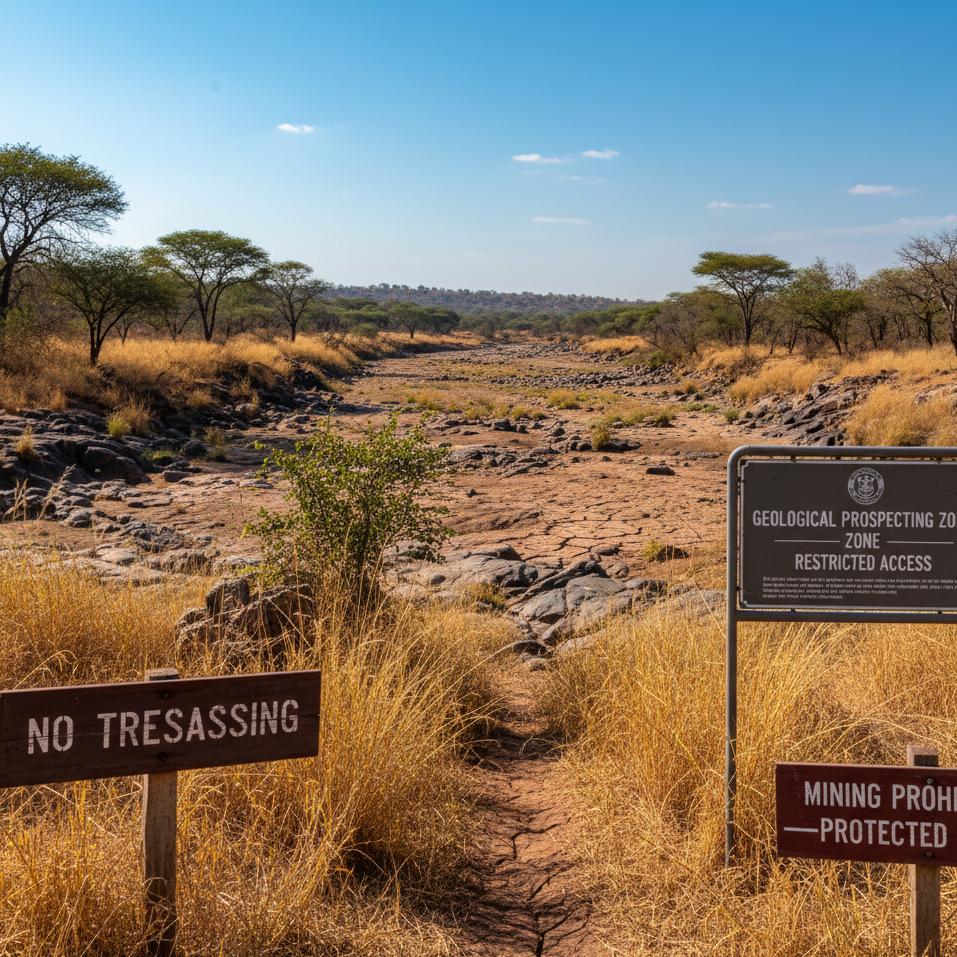
No, you generally cannot legally pan for gold in South Africa as a recreational or independent activity. Unlike countries such as the United States, Canada, or parts of West Africa, South Africa does not permit public or informal gold panning—even on private land or in rivers. All mineral rights, including gold, are owned by the state under the Mineral and Petroleum Resources Development Act (MPRDA) of 2002, and any form of extraction requires a government-issued license.
1. Legal Framework: No Open Access to Minerals
Under South African law:
- All minerals belong to the state, not landowners.
- Recreational panning is not recognized as a legal activity.
- Unauthorized mining or panning—often called “zama zama” activity—is a criminal offense, punishable by fines or imprisonment.
Even if you find visible gold in a riverbed or soil, removing it without a prospecting right or mining permit is illegal.
2. Licensing Is Not Feasible for Individuals
While it is technically possible to apply for a prospecting right from the Department of Mineral Resources and Energy (DMRE), the process is:
- Designed for companies, not individuals
- Requires environmental impact assessments, financial guarantees, and technical reports
- Takes 18–36 months to approve
- Mandates B-BBEE compliance (minimum 30% South African Black ownership)
This makes small-scale or hobbyist panning legally inaccessible.
3. What About Tourist or Educational Activities?
A few private game lodges or heritage sites (e.g., near Pilgrim’s Rest) offer simulated gold panning experiences using pre-placed material for tourists. These are:
- Not real prospecting
- Conducted on controlled, licensed premises
- Purely for entertainment
No actual mineral rights are involved, and participants cannot keep legally sourced gold.

4. Risks of Illegal Panning
Engaging in unlicensed panning can lead to:
- Arrest and prosecution under the MPRDA
- Confiscation of equipment and materials
- Association with high-risk informal mining networks
- Exclusion from formal gold markets due to illicit origin
South African authorities actively enforce anti-illegal mining operations, especially around Gauteng and North West provinces.
5. Alternative: Buy Legally Sourced Gold
If you’re interested in South African gold, the legal and practical route is to purchase it:
- Krugerrand coins (VAT-exempt, globally liquid)
- Rand Refinery bars (LBMA-certified)
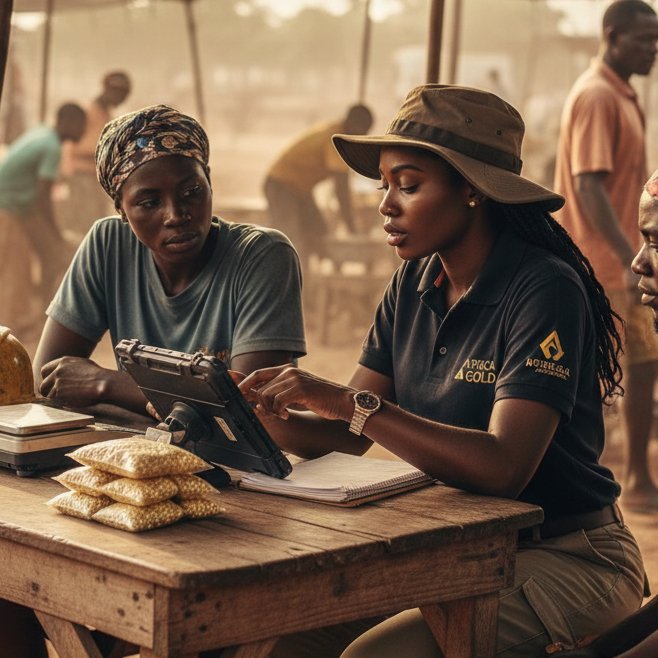
- Through licensed dealers or institutional exporters like Africa Gold Reserve
These options provide exposure to South African gold without legal or safety risks.

Conclusion
While gold exists in South Africa’s rivers and soils, you cannot legally pan for it without a state-issued license—which is not granted for recreational purposes. The country’s regulatory framework prioritizes formal, compliant mining over individual prospecting. For investors and collectors, purchasing certified South African gold remains the only safe, legal, and practical option.
Website: africagoldreserve.com
Email: sales@africagoldreserve.com