


Can You Prospect for Gold in South Africa? Licensing, Legal Requirements, and Practical Realities
Yes, you can prospect for gold in South Africa—but only if you obtain a formal prospecting right from the Department of Mineral Resources and Energy (DMRE). Unlike countries that allow recreational or open-access prospecting, South Africa strictly regulates all mineral exploration under the Mineral and Petroleum Resources Development Act (MPRDA) of 2002. Unauthorized prospecting is illegal, regardless of land ownership or intent.
1. Legal Framework: State Ownership of Minerals
Under the MPRDA:
- All mineral rights—including gold—belong to the South African state, not private landowners.
- No individual or company may explore for or extract minerals without a government-issued right.
- “Prospecting” is legally defined as systematic exploration to establish the existence of a mineral deposit, not casual panning or surface searching.
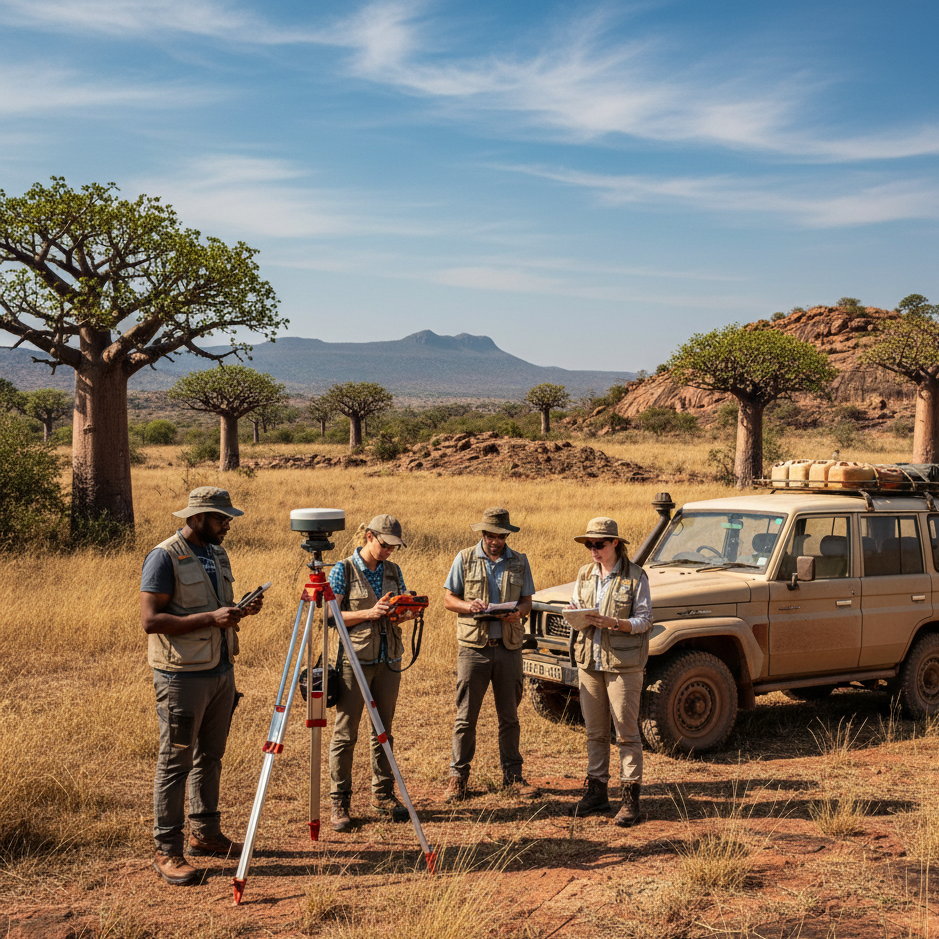
2. How to Legally Prospect: The Licensing Process
To obtain a prospecting right, applicants must:
- Register a South African company with the Companies and Intellectual Property Commission (CIPC)
- Secure B-BBEE compliance (minimum 30% Black South African ownership)
- Submit a detailed application to the DMRE, including:
- Proof of financial and technical capacity
- Environmental management plan (EMP)
- Social and labour plan (SLP)
- Landowner consent (if applicable)
- Undergo public consultation and regulatory review (typically 18–36 months)
The right is granted for up to 5 years, renewable once, and is area-specific (usually 10,000–100,000 hectares).
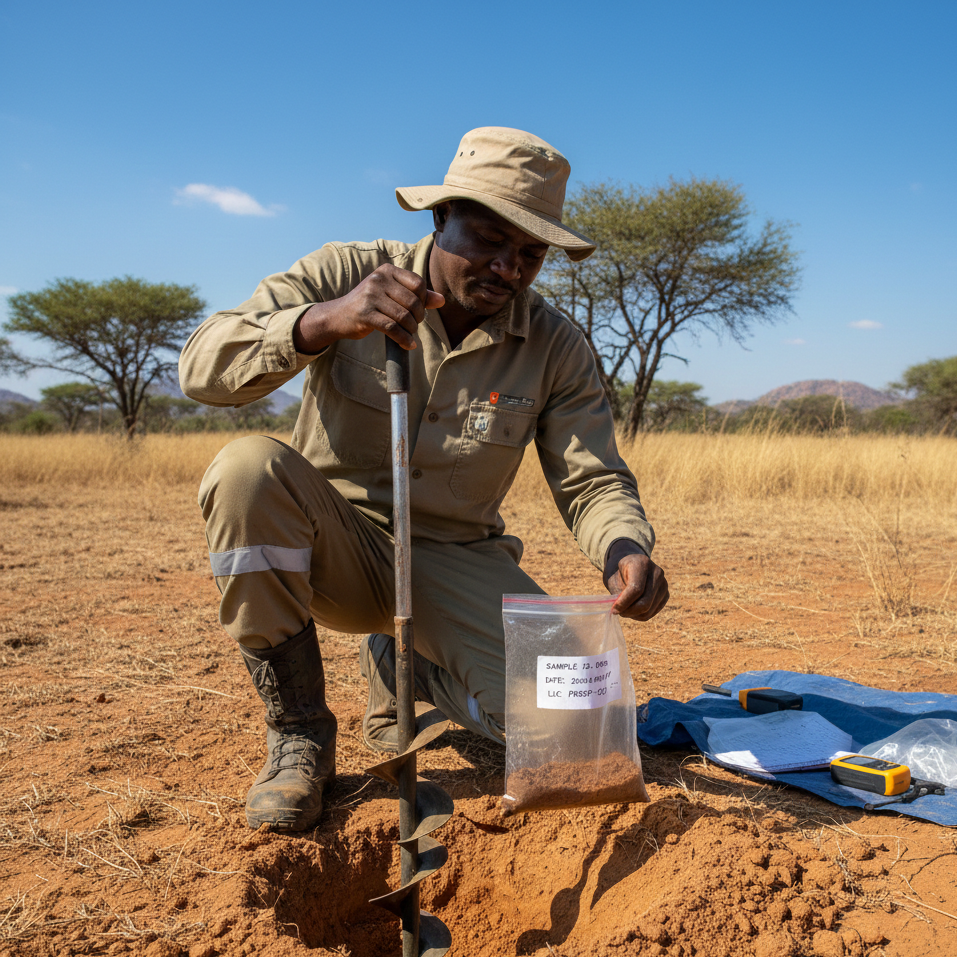
3. Who Typically Prospects?
Prospecting rights are almost exclusively held by:
- Junior mining companies
- Exploration subsidiaries of major miners (e.g., Gold Fields, Harmony)
- Joint ventures with local partners
Individuals or foreign entities without local incorporation and B-BBEE alignment cannot qualify.
4. What Is Not Allowed
- Recreational panning or metal detecting for gold—illegal without a license
- Prospecting on private land without consent and a permit—still illegal
- Informal sampling or digging—classified as illegal mining (“zama zama” activity)
Violations can result in fines, equipment seizure, or imprisonment.
5. Alternative: Access Gold Without Prospecting
For investors or buyers interested in South African gold, direct prospecting is unnecessary. Instead, source from licensed producers through professional exporters like Africa Gold Reserve, which:
- Sources gold only from licensed mines and registered small-scale miners
- Provides full chain-of-custody documentation
- Ensures compliance with OECD Due Diligence Guidance and LBMA standards
This avoids the capital, time, and regulatory burden of prospecting while ensuring ethical supply.
Conclusion
You can prospect for gold in South Africa—but only through a rigorous, corporate-level licensing process. Recreational or independent prospecting is not permitted. For most international parties, the practical path is not to explore, but to buy verified, compliant gold from trusted sources. Partnering with a professional exporter like Africa Gold Reserve offers secure access to South African gold without legal or operational risk.
Website: africa-gold.com
Email: sales@africa-gold.com