


International buyers often enter the African gold market with confidence but leave with costly lessons. The continent’s physical gold trade demands more than capital it requires respect for local regulations, supply chain realities, and cultural nuance. Many mistakes stem from applying paper-market logic to a physical, relationship-driven ecosystem. This guide outlines the most common errors and how to avoid them so buyers can build reliable, long-term supply from African sources.
Assuming All Gold Is Equal Regardless of Origin
One of the biggest mistakes is treating African gold as a fungible commodity like COMEX futures. In reality, gold from Ghana, South Sudan, and South Africa carries different risk profiles based on regulatory maturity, documentation standards, and logistical infrastructure. A bar from a licensed miner in Ashanti with full PMMC permits is not equivalent to unverified material from an unlicensed operator even if purity appears identical. Refineries know this and reject shipments lacking proper provenance. Buyers who ignore origin-specific compliance invite delays, rejections, or financial loss.
Paying Full Advance Before Verification
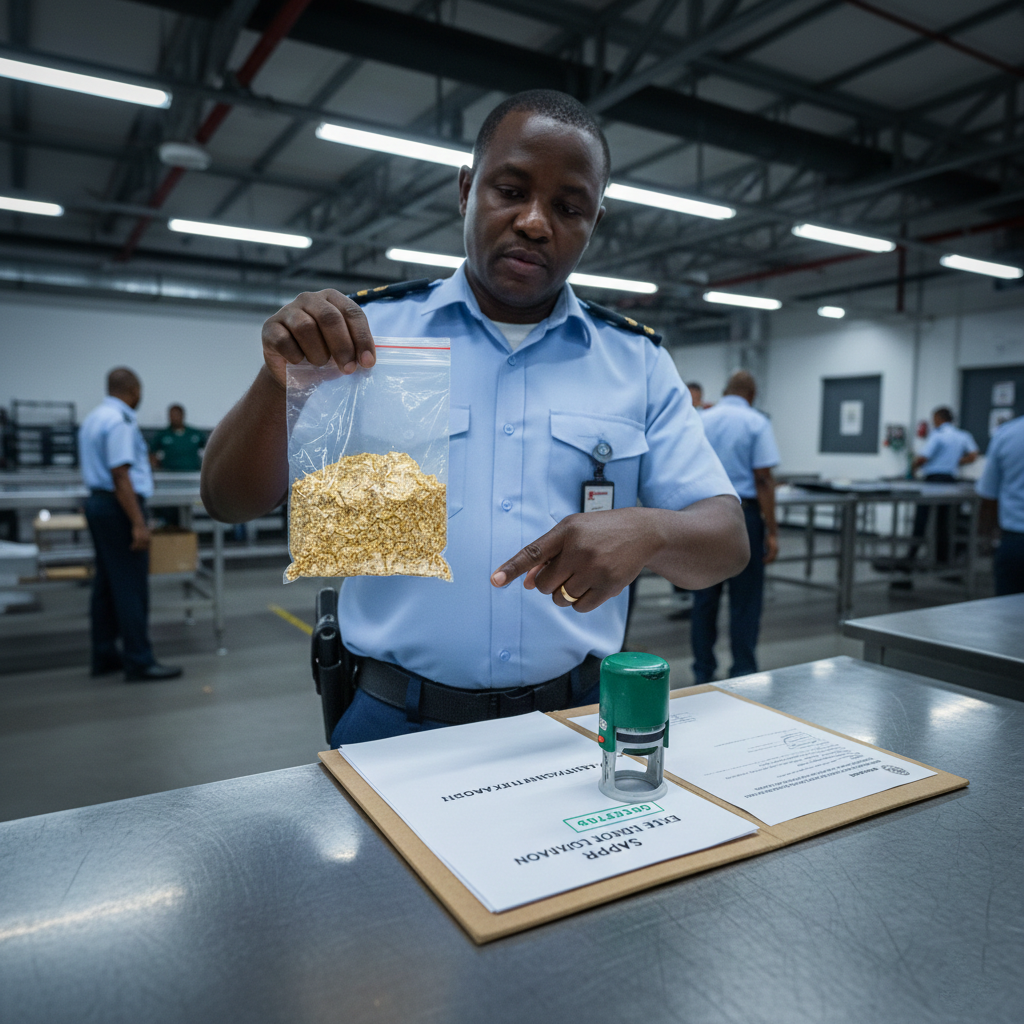
Another critical error is releasing full payment before assay results and export permits are secured. Some suppliers pressure buyers to “move fast” with promises of low prices, but legitimate exporters never demand full upfront payment. Professional practice involves partial advance against documentation, with balance settled only after:
- Fire assay confirms purity
- National authorities issue export permits
- Seals are applied under supervision
Buyers who skip this sequence risk receiving substandard material, facing permit denials, or losing funds entirely. In emerging markets like South Sudan, where formalization is ongoing, this discipline is even more vital.
Working with Brokers Instead of Direct Exporters
Many buyers unknowingly engage brokers who act as intermediaries without ownership or oversight. These brokers connect buyers to unknown sources, take commissions, and disappear when issues arise. They cannot verify miner credentials, manage assay coordination, or guarantee purity. When shipments fail at customs or refineries, the buyer has no recourse.
Professional exporters like AFRICA GOLD operate differently. They buy directly from licensed miners, assume ownership, and manage every step from acquisition to airport handover. This accountability is what international buyers truly need. Always ask: “Do you own the gold, or are you just connecting me to someone else?”
Ignoring Local Presence and Language Barriers
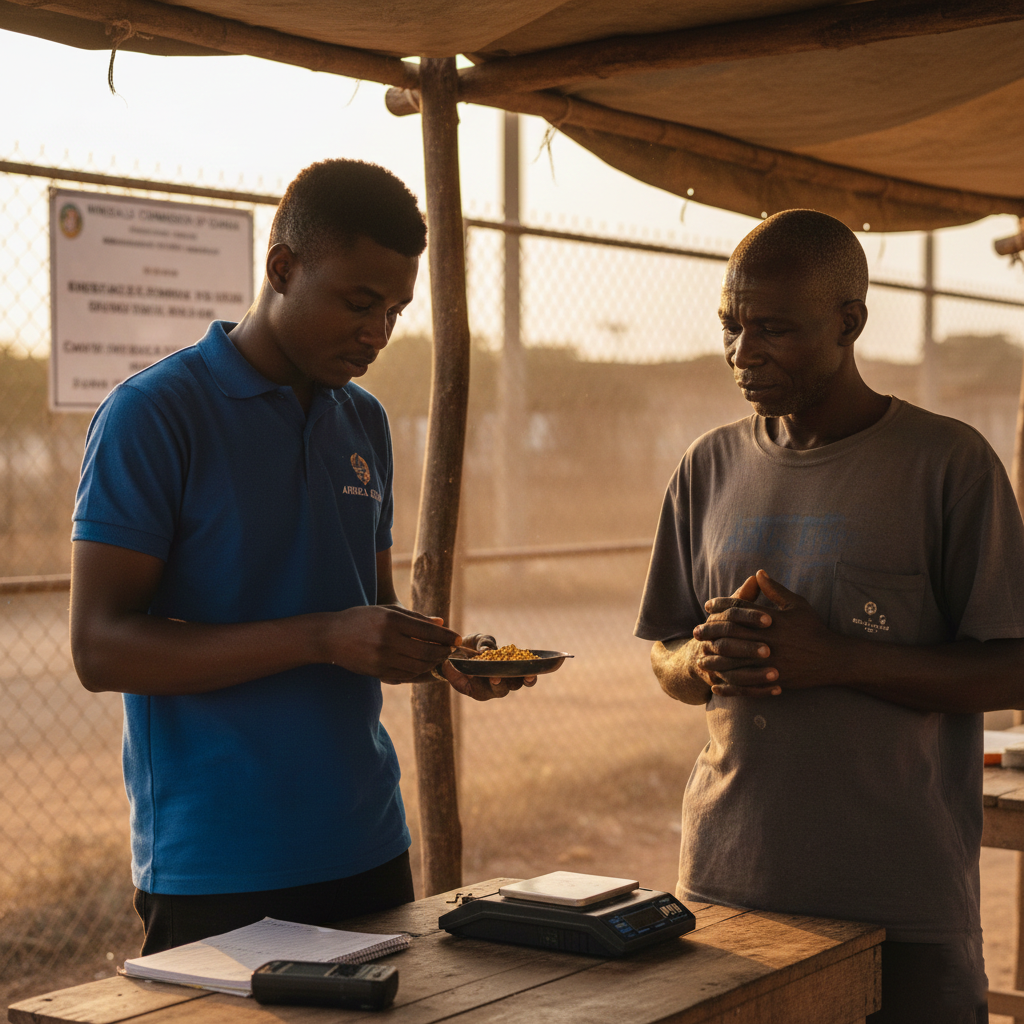
Remote buyers often underestimate the importance of on-the-ground presence. Regulations change. Documents require clarification. Customs inspections demand real-time responses. Without local teams who speak the language, understand bureaucracy, and maintain government relationships, even simple shipments can stall. Buyers who rely solely on email or phone calls struggle when problems arise. Partnering with exporters who have boots in Ghana, South Africa, and South Sudan ensures agility and resolution not excuses.
Conclusion
The African gold market rewards patience, professionalism, and preparation. Buyers who avoid these common mistakes by respecting origin differences, verifying before paying, choosing direct exporters, and valuing local presence build resilient supply chains. With the right approach, African gold becomes not a gamble but a strategic asset. The cost of a mistake far exceeds the time it takes to do it right.
africa-gold.com
sales@africa-gold.com