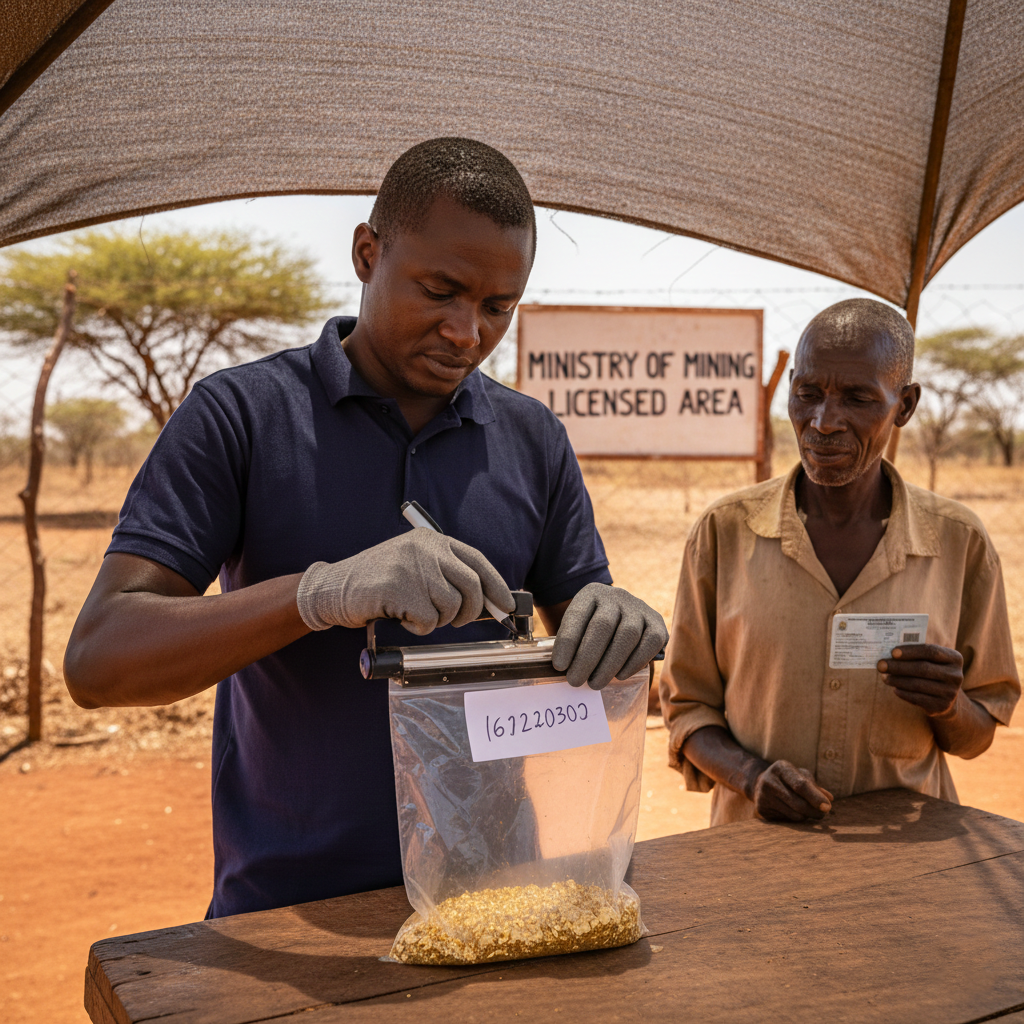


Due Diligence Steps for International Gold Buyers
International buyers sourcing African gold must conduct systematic due diligence before engagement. Material lacking verified provenance faces refinery rejection and potential OECD compliance violations. These verification steps separate legitimate supply chains from high-risk arrangements.
Step 1: Verify Exporter Licensing
Confirm the supplier holds valid export authorization from national mining authorities—Ghana’s Minerals Commission, South Africa’s SADPMR, or South Sudan’s Ministry of Mining. Request license copies and cross-reference validity periods directly with issuing agencies. Unlicensed operators cannot legally clear customs regardless of material quality.

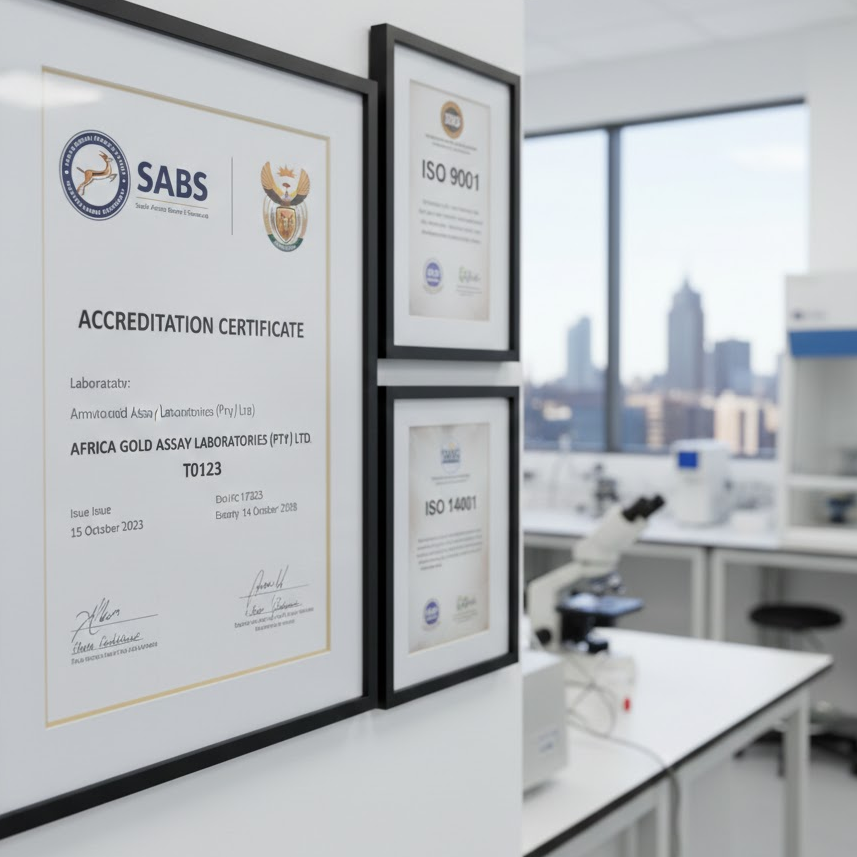
Step 2: Confirm Laboratory Accreditation
Validate that assay certificates originate from nationally accredited facilities: PMMC-approved laboratories in Ghana, SABS-registered labs in South Africa. Reject XRF readings presented as export documentation—refineries require fire assay certification. Request laboratory accreditation numbers and verify status independently.
Step 3: Validate Chain of Custody Completeness
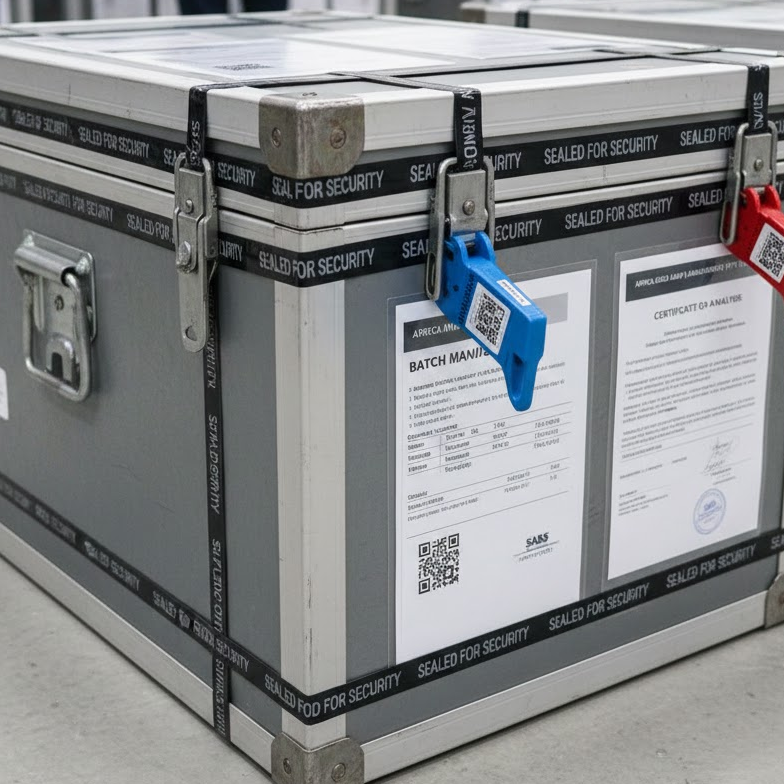
Request the complete documentation trail before payment:
- Miner license numbers linked to acquisition points
- GPS coordinates recorded at source
- Tamper-evident seal identifiers with photographs
- Government export permits matching physical material
Gaps in this sequence invalidate legal export status. Legitimate exporters share documentation proactively—not after funds transfer.
Step 4: Assess Physical Operational Presence
Verify the exporter maintains permanent field teams in producing regions through:
- Physical office addresses in Ghana, South Africa, or South Sudan
- Direct relationships with accredited laboratories
- Evidence of on-site miner verification capability
- Independent confirmation of operational infrastructure
Remote brokers without boots on the ground depend on unverified intermediaries—creating chain of custody breaks.
Step 5: Review Transaction Sequencing
Legitimate transactions follow strict sequencing: miner verification → assay certification → government permit issuance → buyer payment → air freight booking. Reject requests for upfront payment before permit issuance—this reversal signals elevated fraud risk.
Since 2015, AFRICA GOLD has maintained permanent field teams across Ghana, South Africa, and South Sudan from its South African headquarters, with coordination support from the United Kingdom. The company welcomes independent due diligence, provides documentation transparently before payment requests, and demonstrates consistent execution across established trade routes to the UAE, United States, China, and Europe.
Due diligence protects capital and compliance standing. Partner only with exporters who welcome verification, demonstrate physical presence, and maintain unbroken chain of custody from licensed source to international delivery.
africa-gold.com
sales@africa-gold.com