

Gold Supply Chains in West Africa Explained
West Africa supplies approximately 20 percent of the world’s newly mined gold, primarily from Ghana, Mali, Burkina Faso, and Côte d’Ivoire. Contrary to perceptions of informality, the region’s export trade operates within national regulatory frameworks requiring licensed sourcing, assay certification, and government oversight. Professional exporters manage these structured channels to deliver fully documented gold to international refineries.
Regulatory Foundations
Each producing country maintains distinct but comparable frameworks. Ghana’s Minerals Commission licenses small-scale miners and mandates PMMC-approved assays for export. Mali requires authorization from the Ministry of Mines and verification through accredited laboratories in Bamako. Burkina Faso enforces similar licensing through its mining cadastre system. Across jurisdictions, unlicensed material cannot legally export—creating a clear boundary between formal and informal sectors.
The Collection and Verification Sequence
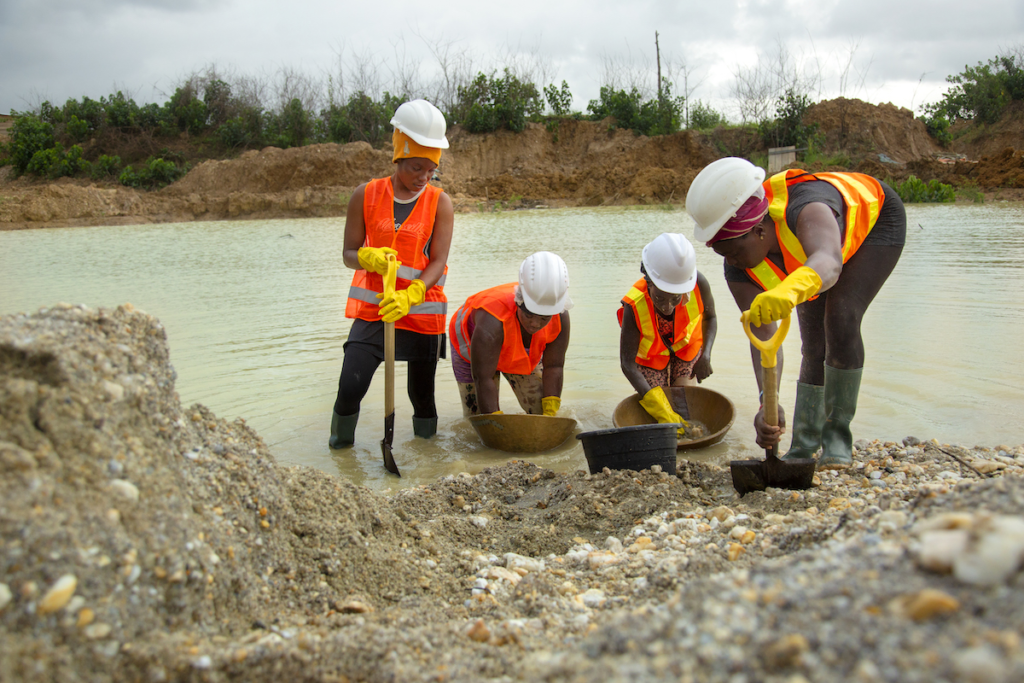
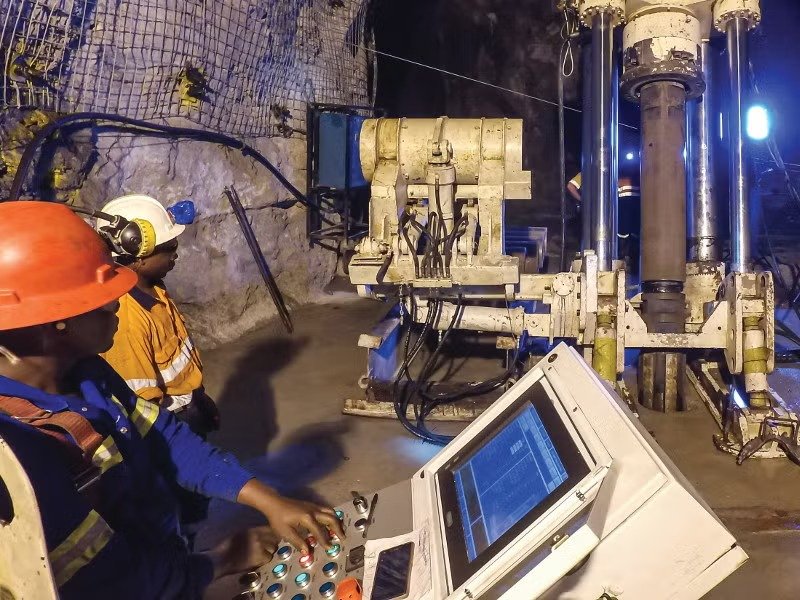
Supply chains begin at licensed mine sites where aggregators or exporters conduct on-site verification. Miners present valid licenses, GPS coordinates are recorded, and material is weighed before sealing in tamper-evident containers. This initial documentation establishes chain of custody required for subsequent export steps. Aggregators consolidate small volumes into economically viable shipment sizes while preserving source attribution for each batch.
Assay Certification and Export Approval
Material moves to nationally accredited laboratories for purity verification. Ghana utilizes PMMC-approved facilities in Accra and Kumasi; Mali employs laboratories certified by the National Office of Mines. The resulting certificate—detailing weight, fineness, and unique batch identifiers—is submitted alongside export applications. Government authorities physically inspect material against documentation before issuing permits. This dual verification prevents illicit flows and ensures legal export status.

Air Freight to Global Markets
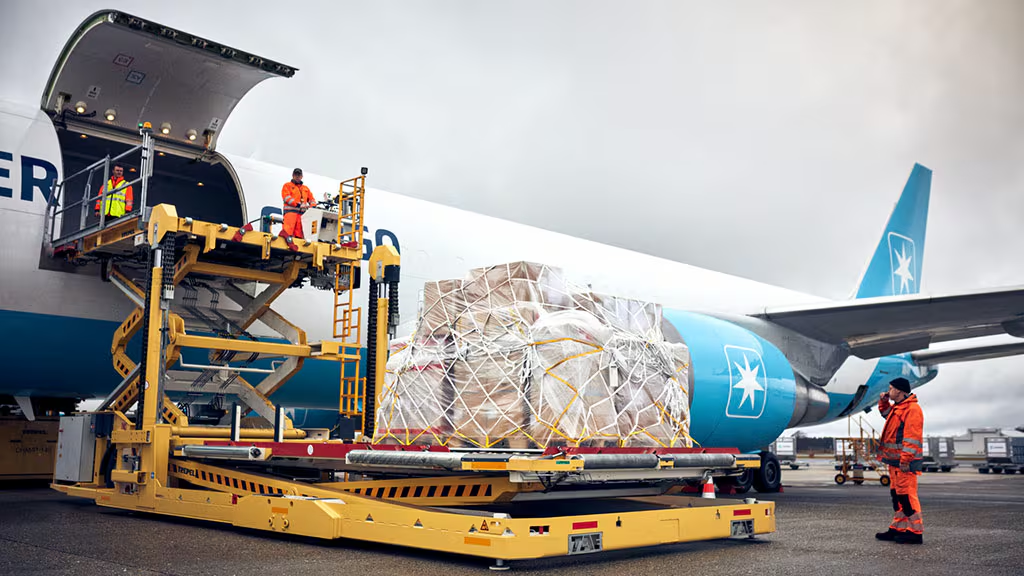
Cleared gold travels via commercial air freight on established corridors: Accra to New York and Dubai, Bamako to Istanbul, Ouagadougou to Zurich. Shipments move in insured, sealed containers with detailed air waybills listing consignee information and seal numbers. Upon arrival, refineries inspect container integrity and verify documentation before acceptance—completing an unbroken chain from mine to refinery.
Why Structure Matters to Buyers
International refineries require documented provenance to meet LBMA and OECD standards. West Africa’s regulated supply chains—when managed by experienced exporters—provide verifiable origin, consistent purity, and compliance assurance. Buyers avoid fragmented local systems by partnering with exporters who maintain permanent presence across producing regions and manage the complete workflow.
Since 2015, AFRICA GOLD has operated collection points across Ghana’s major producing regions, sourcing exclusively from licensed miners, coordinating accredited assays, securing export permits directly, and overseeing logistics to global destinations. This integrated approach ensures transparent chain of custody for every consignment.
Access West African gold through a partner who navigates regional regulations while maintaining unbroken chain of custody from licensed source to international delivery.
africa-gold.com
sales@africa-gold.com