


How Currency Fluctuations Affect Gold Exports
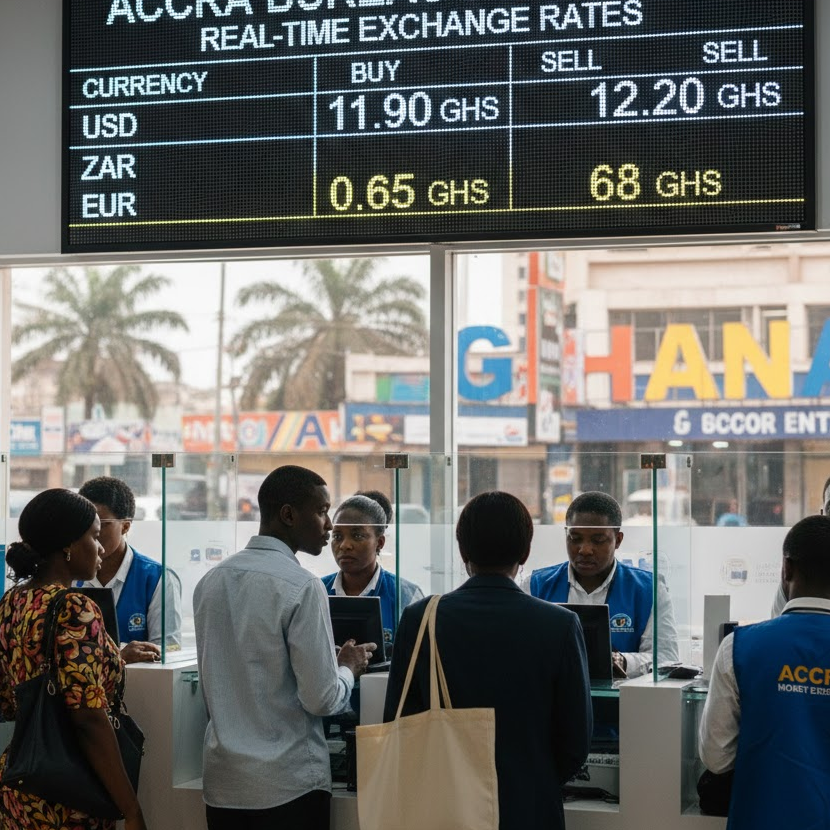
Gold trades globally in U.S. dollars, but African exporters acquire material using local currencies—Ghanaian cedis, South African rand, or South Sudanese pounds. Exchange rate volatility between these currencies and the dollar directly impacts acquisition costs, exporter margins, and ultimately supply stability. Understanding this dynamic helps buyers evaluate pricing structures and partner selection.
The Dual-Currency Reality
Exporters purchase gold from licensed miners in local currency while selling to international buyers in USD. When the cedi weakens against the dollar, Ghanaian exporters can maintain margins without raising USD prices. When the rand strengthens, South African exporters face margin compression unless they adjust pricing. South Sudan’s volatile pound creates acute challenges requiring careful hedging.
Impact on Supply Continuity
Sharp local currency depreciation can disrupt supply chains. Miners receiving fixed cedi payments may withhold material if they anticipate further depreciation—expecting higher future payouts. Conversely, rapid currency appreciation may squeeze exporter margins, causing some operators to pause acquisitions until pricing adjusts. Professional exporters manage these cycles through transparent, market-aligned pricing rather than fixed rates.
Risk Management Strategies
Established exporters employ practical measures to stabilize operations:
- Pricing acquisitions against real-time LBMA rates with transparent deductions
- Maintaining USD reserves to smooth payment timing mismatches
- Avoiding speculative currency positions that could destabilize supply
- Communicating pricing adjustments proactively rather than absorbing unsustainable losses
These practices preserve supply continuity during volatile periods—unlike operators who lock in fixed local currency rates and exit markets when margins collapse.

Why Buyers Should Care
Buyers who understand currency dynamics recognize legitimate pricing adjustments versus opportunistic markups. Exporters who transparently tie acquisition costs to LBMA rates plus documented deductions demonstrate operational integrity. Those offering suspiciously stable pricing during volatile forex periods may be cutting corners on verification or documentation—creating downstream compliance risk.
AFRICA GOLD’s Multi-Currency Execution
Since 2015, AFRICA GOLD has managed currency exposure across Ghana, South Africa, and South Sudan from its South African headquarters, with coordination support from the United Kingdom. The company:
- Prices all acquisitions against live LBMA rates with disclosed deductions
- Maintains operational reserves in multiple currencies to ensure consistent miner payments
- Avoids speculative forex positions that could compromise supply reliability
- Provides buyers transparent pricing formulas reflecting actual acquisition economics
This disciplined approach has sustained shipment continuity through multiple currency cycles across all three jurisdictions.

Currency volatility is an inherent feature of African gold exports—not a flaw to be hidden. Partner with an exporter who manages forex risk transparently while maintaining documentation integrity and supply continuity through market cycles.
africa-gold.com
sales@africa-gold.com