


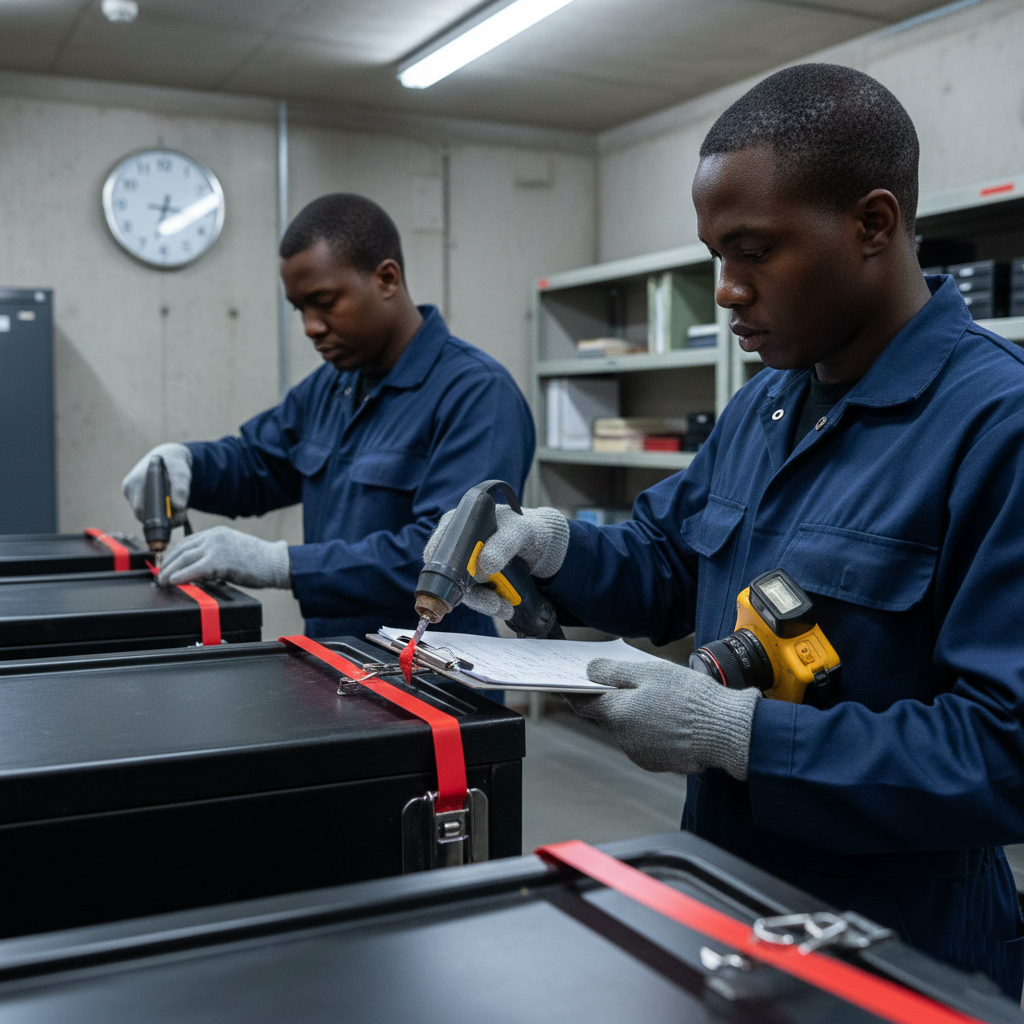
Gold packaging for international shipping is not about aesthetics it’s about security, traceability, and regulatory compliance. In Africa, where shipments move from remote collection points to global refineries, the packaging process is the final physical guarantee that material remains intact, unaltered, and verifiable until it reaches its destination. This meticulous procedure transforms raw metal into a bankable asset ready for air freight.
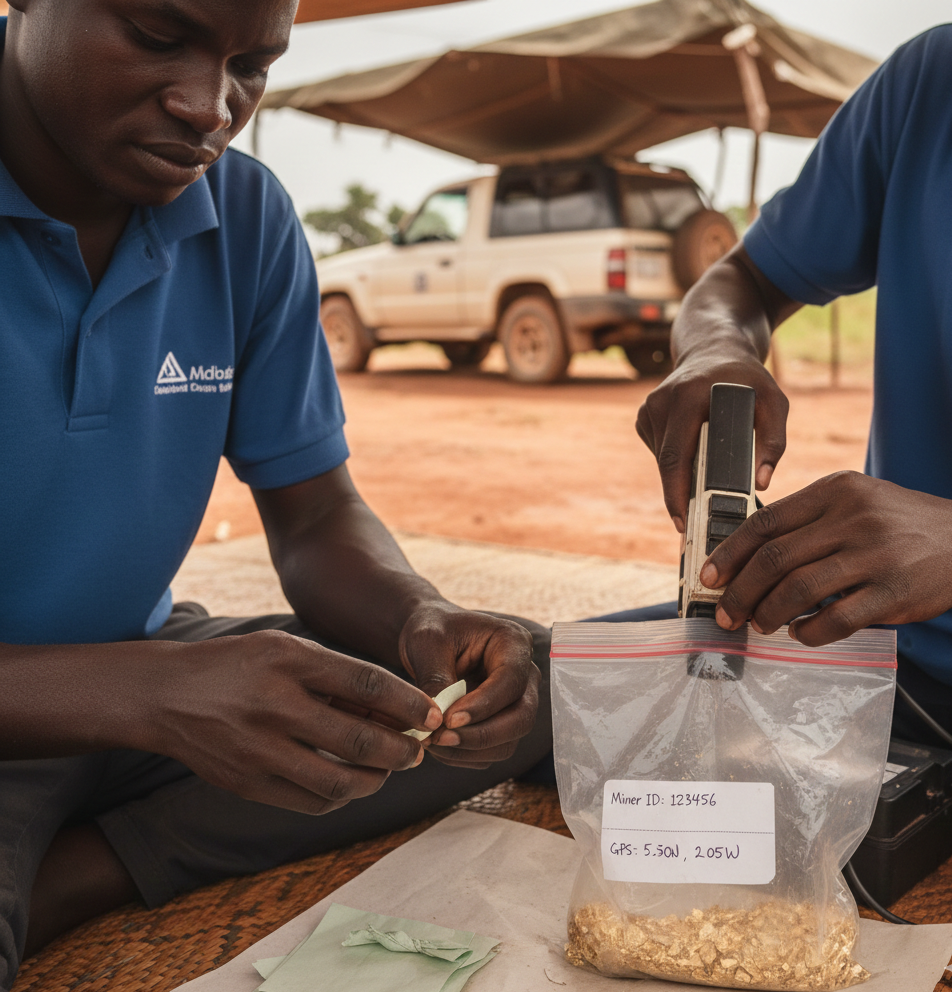
The Packaging Protocol: Simplicity Over Spectacle
Professional exporters avoid flashy or branded containers. Instead, they use plain, durable steel or polymer cases with no external markings beyond essential shipment data: origin country, weight, and unique serial number. These containers are lined with anti-static film to prevent surface abrasion and placed inside locked steel pallet cages for added security. The goal is discretion—not advertisement. Customs and airline personnel recognize these as standard precious metals units, not targets.
Tamper-Evident Seals: The Physical Promise
Every container receives a unique serial seal made of polymer or metal that fractures irreversibly if opened. These are applied under direct supervision, photographed immediately, and recorded in a physical logbook with date, time, and handler signature. Some exporters embed passive RFID tags for internal tracking—but never rely on them for customs or refinery verification. The physical seal remains the ultimate proof of integrity. Refineries inspect it before opening; any break means rejection.
Documentation Integration: Paper Still Rules
Inside each container, a printed copy of the assay certificate and export permit is placed in a waterproof sleeve. This ensures that even if digital systems fail, the physical shipment carries its own legal identity. Professional exporters do not rely on cloud links or QR codes refineries and customs agencies worldwide still require tangible documents accompanying the cargo. The packaging thus becomes a self-contained compliance unit: metal, paper, and seal.
Why Over-Engineering Fails
Some brokers promote “smart containers” with GPS trackers, biometric locks, or live video feeds. These often malfunction in transit, drain batteries, or confuse customs officials unfamiliar with proprietary tech. Worse, they create false confidence. In reality, the most trusted shipments use simple, proven methods: tamper-proof seals, paper records, and human oversight. Airlines and refineries prefer this—they’ve handled it for decades.
Conclusion
Gold packaging in Africa succeeds through disciplined simplicity. It relies on physical seals, handwritten logs, and human verification—not digital gimmicks. When done right, it ensures that from vault to aircraft to refinery, the gold remains exactly as it left the source. For international buyers, this quiet professionalism is the ultimate assurance: no drama, no logos, just secure, traceable, compliant delivery.
africa-gold.com
sales@africa-gold.com