
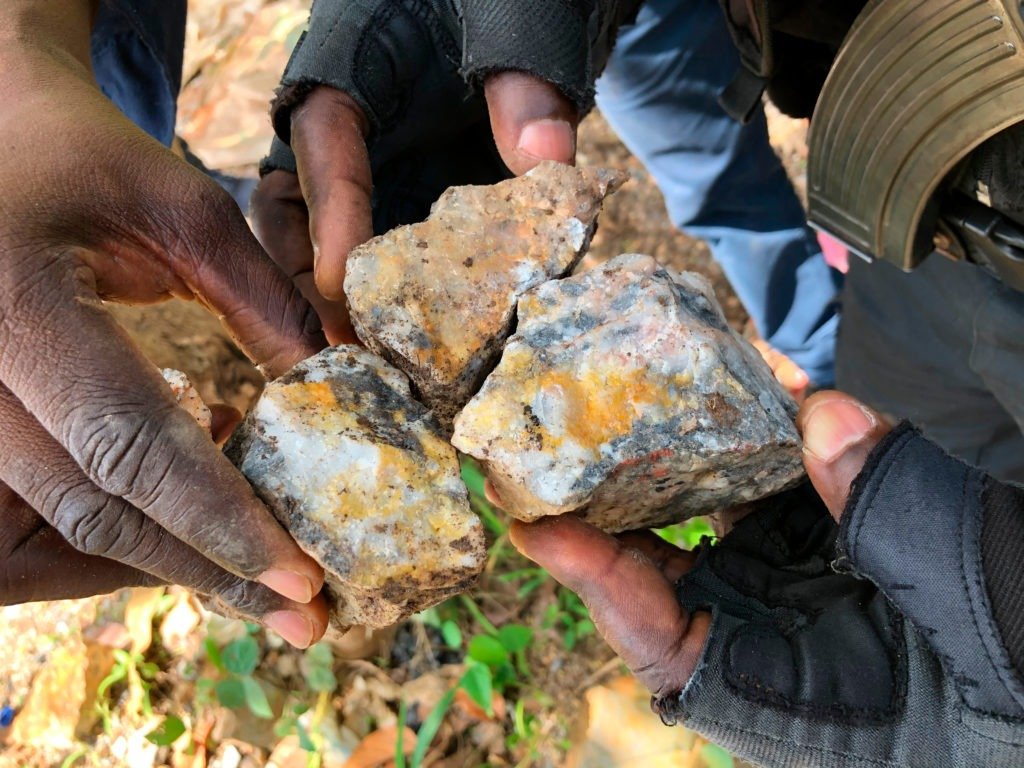

How to Source Gold Directly from African Mines
Africa holds approximately 30 percent of the world’s known gold reserves, making it a critical region for global supply chains. Yet sourcing gold directly from African mines requires more than identifying deposits—it demands local presence, regulatory knowledge, and established relationships with licensed operators. For international buyers, navigating this landscape independently presents significant logistical and compliance challenges.
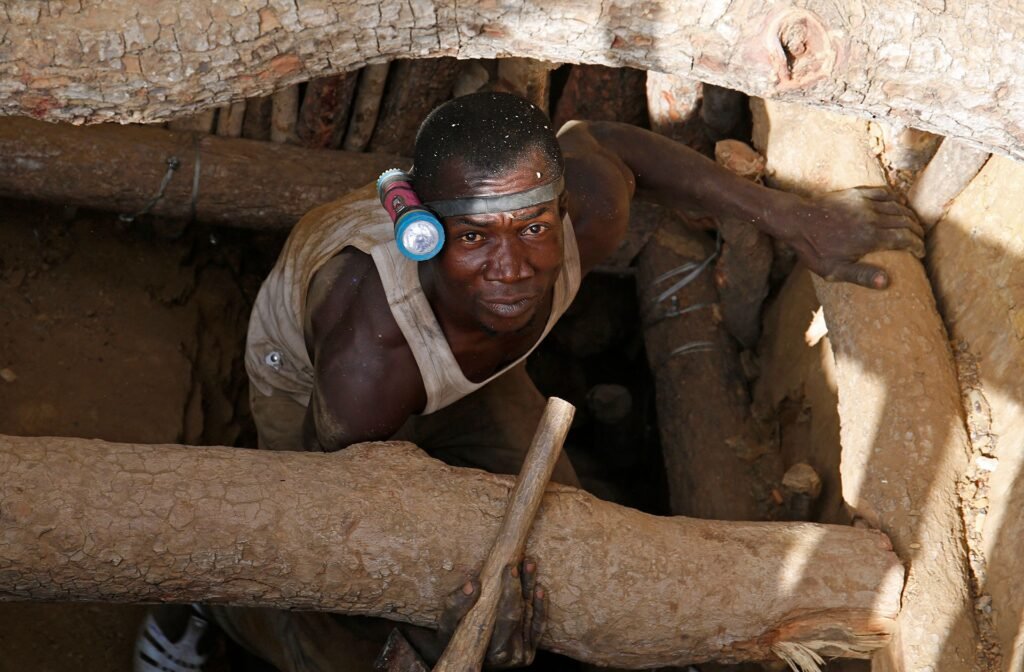
Understanding Africa’s Gold Supply Structure
The continent’s gold production comes from three primary sources: large-scale industrial mines, small-scale licensed artisanal operations, and accredited local aggregators. While industrial mines dominate volume, artisanal and small-scale mining contributes nearly 20 percent of Africa’s annual output. These smaller operations often lack direct export capabilities, creating opportunities for specialized sourcing partners who can consolidate supply while ensuring regulatory compliance.
Regional Sourcing Dynamics
Ghana remains Africa’s largest gold producer, with well-established export frameworks and assay facilities in Accra and Kumasi. South Africa’s mature mining sector offers consistent supply from both historic and emerging operations. South Sudan represents a developing market where licensed local sellers play a crucial role in channeling production to international markets. Each jurisdiction maintains distinct export regulations, licensing requirements, and documentation standards that buyers must navigate carefully.

The Direct Sourcing Process
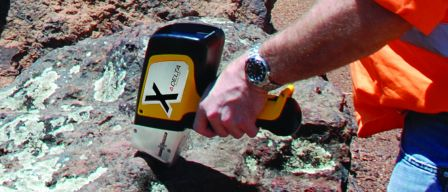
Reliable gold sourcing begins with verification. Reputable exporters conduct on-site due diligence at mining locations, confirm mining licenses, and perform preliminary purity assessments. Material then moves to accredited assay laboratories for precise grading before consolidation. Export documentation—including certificates of origin, assay reports, and Kimberley Process compliance verification for conflict-free sourcing—must align with both origin country regulations and destination market requirements.
Why International Buyers Partner with Specialized Exporters
Most international refineries and institutional buyers avoid direct engagement with individual mines due to fragmented supply, documentation complexity, and security considerations. Instead, they work with established exporters who provide consolidated shipments, verified chain of custody, and streamlined logistics. These partners absorb the operational complexity—handling local payments, quality verification, secure transport, and export clearance—allowing buyers to receive compliant, assay-certified material at major international hubs.
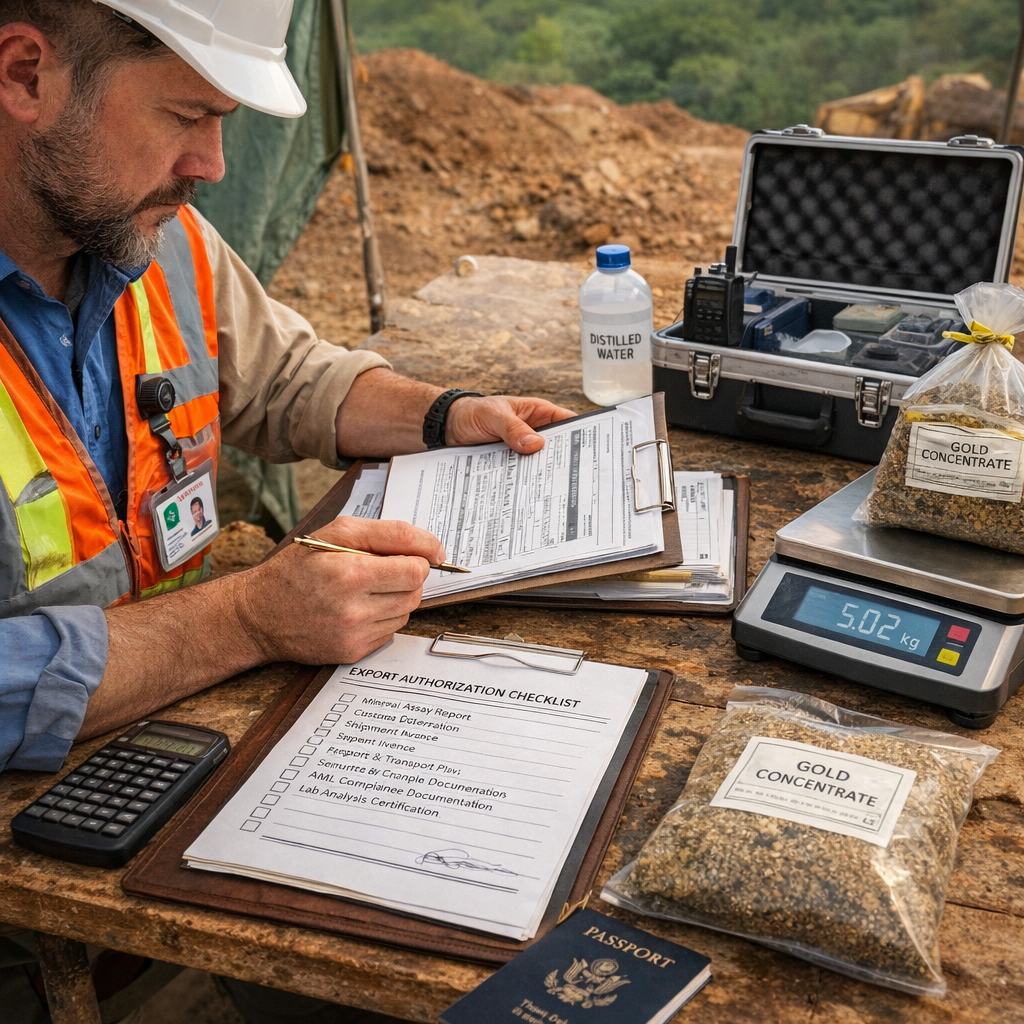
AFRICA GOLD’s Operational Framework
Founded in South Africa in 2015, AFRICA GOLD maintains permanent operations across Ghana, South Africa, and South Sudan, with a coordination office in the United Kingdom. Our teams work directly with licensed miners and aggregators to source material that meets international standards for purity and ethical provenance. We manage the complete export workflow—from mine verification through Dubai, New York, Shanghai, and London delivery points—ensuring transparency at every stage.
Building a Reliable Supply Partnership
Sustainable gold sourcing depends on consistent quality, documentation integrity, and responsive communication. Buyers should evaluate potential partners based on operational history, physical presence in mining regions, and willingness to provide verifiable references from existing clients. Long-term relationships built on transparency typically yield more stable pricing and supply continuity than transactional arrangements.

For buyers seeking direct access to ethically sourced African gold with full documentation and reliable logistics, AFRICA GOLD provides end-to-end export services across major producing regions. Contact our trade desk to discuss current availability, assay protocols, and shipment scheduling.
africa-gold.com
sales@africa-gold.com