
How Many Gold Mines Are in Africa? A Breakdown by Scale and Country
As of 2026, Africa hosts hundreds of active gold mines, ranging from large-scale industrial operations to formalized small-scale sites. While an exact count varies due to dynamic licensing, closures, and new developments, industry data indicates:
- Over 150 large-scale industrial gold mines
- Thousands of registered small-scale mining sites
- Tens of thousands of informal or unlicensed operations (not counted in official statistics)
Only the formal, licensed mines are recognized in national production reports and compliant supply chains.
1. Large-Scale Industrial Mines (Key Producers)
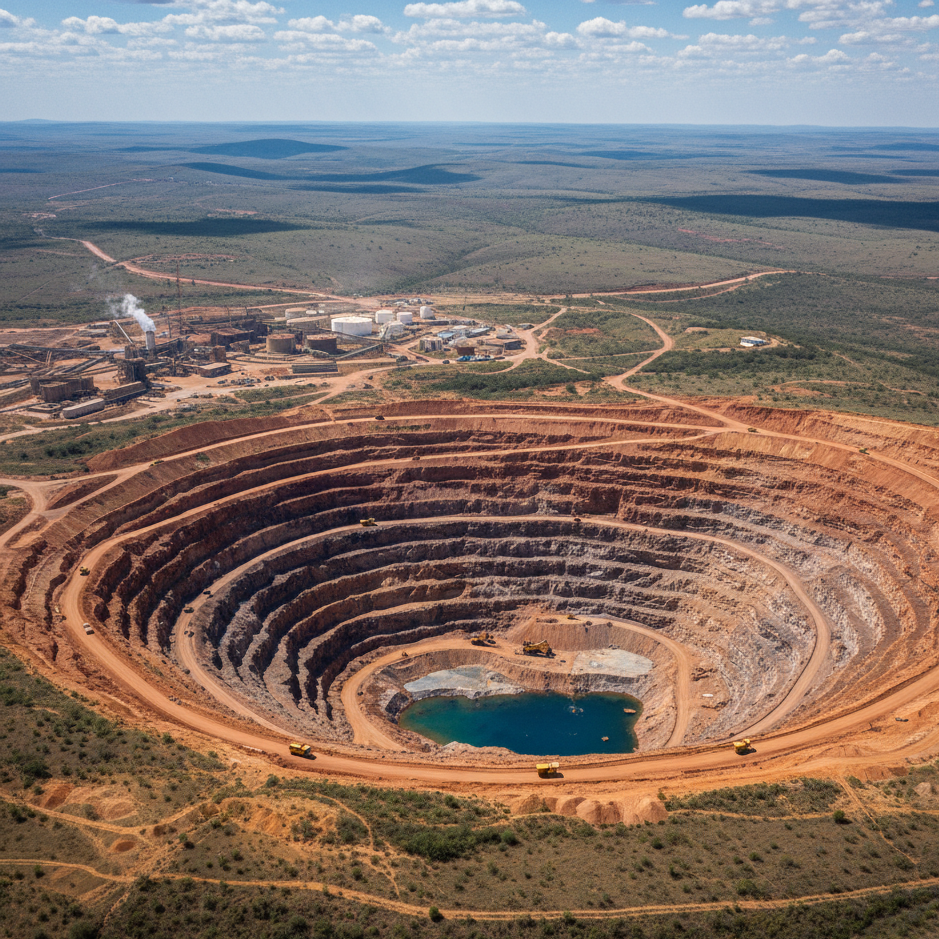
These are operated by major companies like Gold Fields, AngloGold Ashanti, Barrick, and Harmony Gold. Notable examples include:
- Ghana: Obuasi, Tarkwa, Prestea (~25+ major mines)
- South Africa: Mponeng, South Deep, Driefontein (~20+ deep-level operations)
- Mali: Loulo, Fekola, Sadiola (~15+ mines)
- Burkina Faso: Houndé, Mana, Karma (~20+ mines)
- Tanzania: Geita, North Mara, Bulyanhulu (~10+ mines)
- Côte d’Ivoire, DRC, Zimbabwe, Sudan: 5–15 each
Total large-scale mines: ~150–180 across the continent.
2. Formalized Small-Scale Mines
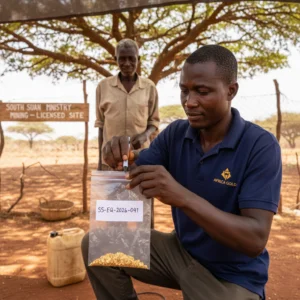
Governments are increasingly registering artisanal cooperatives:
- Ghana: Over 1,000 licensed small-scale mining groups
- South Africa: Hundreds of formalized “tribal mining” sites in Mpumalanga and Limpopo
- Mali & Burkina Faso: Government-backed artisanal zones with export pathways
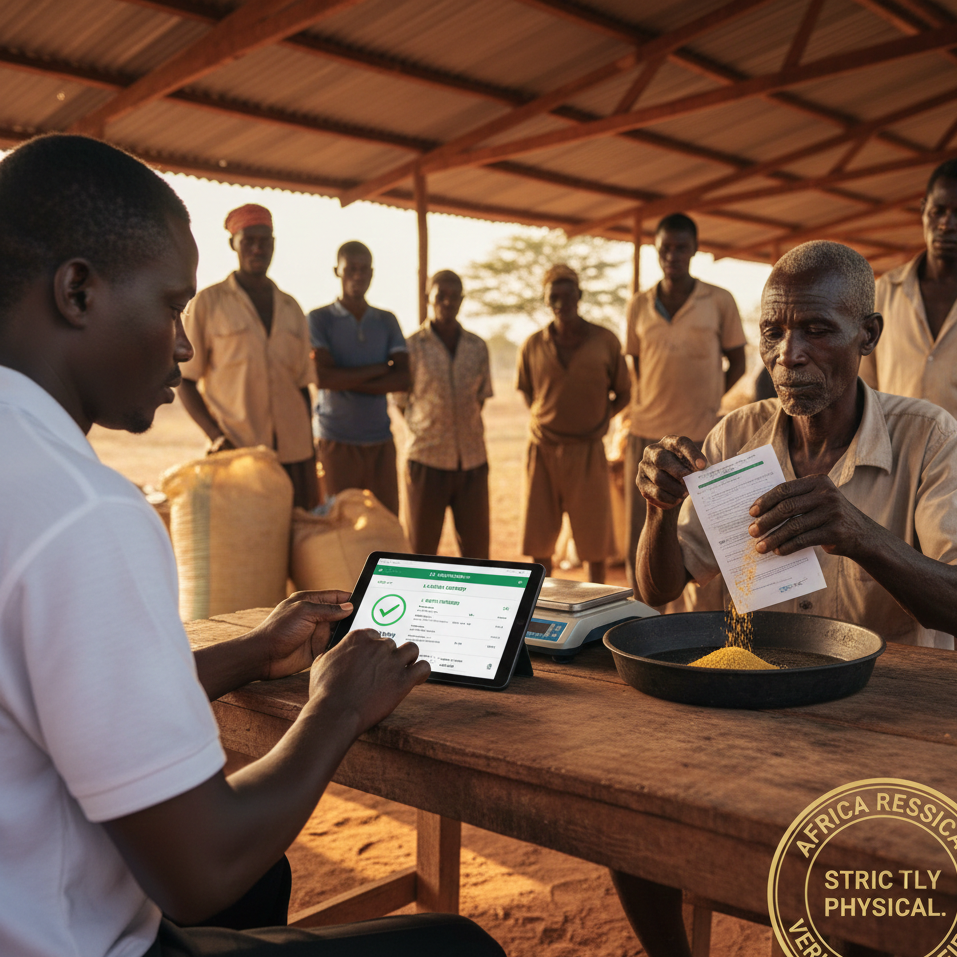
These are not “mines” in the traditional sense but licensed production units that feed into legal supply chains.
3. Informal and Illegal Operations
Estimates suggest tens of thousands of unlicensed diggings—particularly in:
- Ghana (“galamsey”)
- South Africa (“zama zama”)
- Eastern DRC
These are excluded from official counts and pose environmental, safety, and compliance risks.
4. Regulatory Oversight
Only mines with valid licenses from national authorities (e.g., Ghana Minerals Commission, South Africa DMRE) are legally allowed to produce and export gold. Buyers must verify this status to ensure compliance with OECD Due Diligence Guidance.
5. Africa Gold Reserve’s Sourcing Model
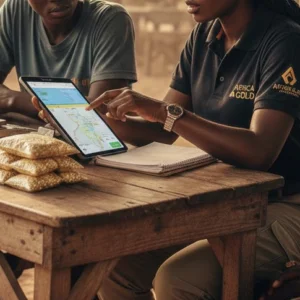
Founded in 2015 and headquartered in South Africa, Africa Gold Reserve does not operate mines. Instead, it sources gold exclusively from:
- Licensed industrial mines
- Registered small-scale miner cooperatives
- Government-authorized sellers
This ensures all material is traceable, ethical, and export-compliant.
Conclusion
Africa has over 150 large-scale gold mines and thousands of formalized small-scale sites—but only licensed operations matter for institutional buyers. For secure, compliant supply, partnering with a professional exporter like Africa Gold Reserve ensures access to verified sources across Ghana, South Africa, and South Sudan.
Website: africagoldreserve.com
Email: sales@africagoldreserve.com