

How Much Does Gold Cost in Africa? Retail Prices vs. Institutional Value (2026)
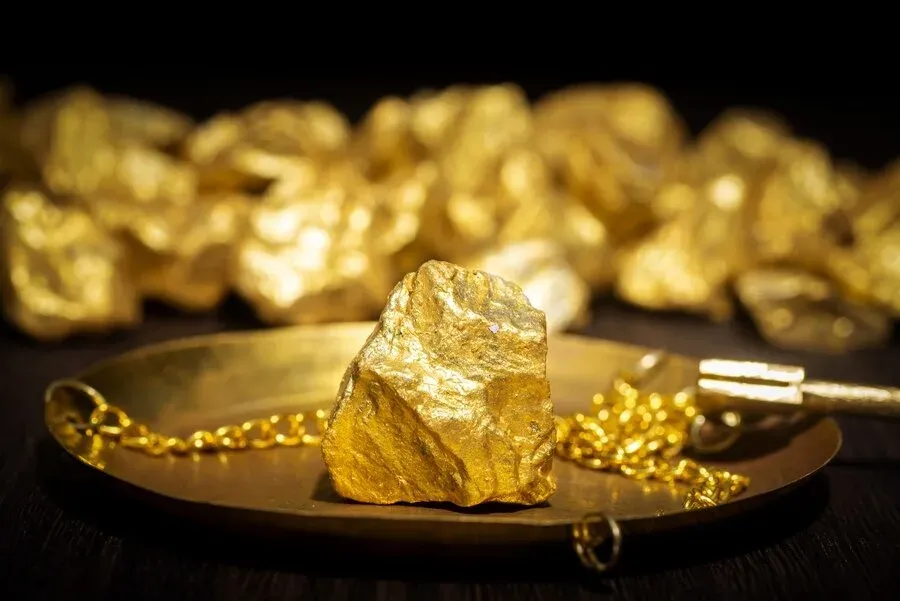
The cost of gold in Africa varies significantly depending on whether you are an individual buyer purchasing retail jewellery or bars, or an institutional trader sourcing high-purity gold for export. While local currency prices may appear low due to exchange rates, the true market value aligns closely with the global benchmark—approximately $2,300 per troy ounce as of February 2026.
1. Retail Gold Prices Across Africa (Per Gram)
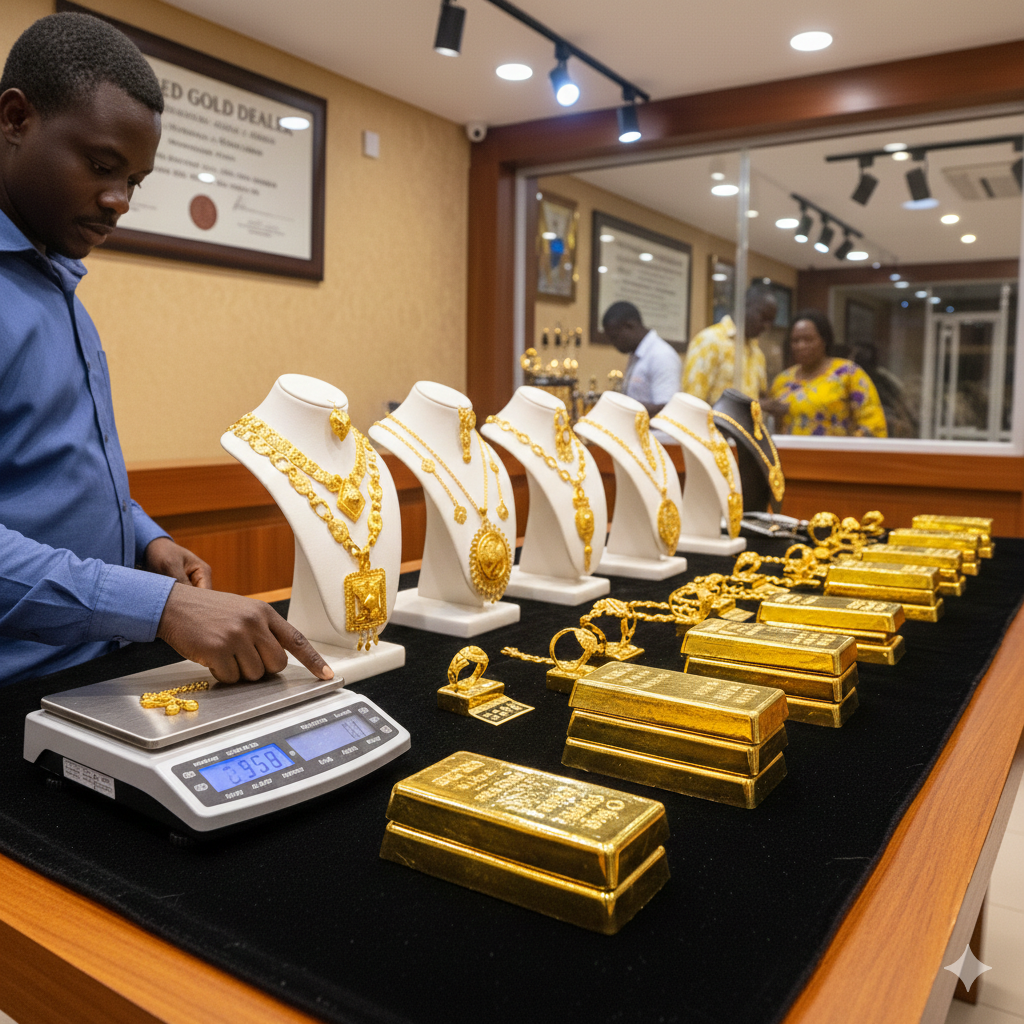
Retail prices include VAT, dealer markups, and local premiums. Approximate rates as of early 2026:
| Country | Local Price (Per Gram) | USD Equivalent* |
|---|---|---|
| South Africa | R3,680 – R3,880 | $194 – $205 |
| Ghana | GHS 1,870 – GHS 2,080 | $132 – $147 |
| Nigeria | ₦365,000 – ₦405,000 | $243 – $270 |
| Kenya | KES 86,000 – KES 94,000 | $648 – $708 |
*USD equivalents based on current exchange rates; subject to daily fluctuation.
Note: South Africa charges 15% VAT on gold bars/jewellery, but Krugerrand coins are VAT-exempt.
These prices apply to small bars, coins, or jewellery sold to individuals—not bulk investment-grade material.
2. Institutional Gold Pricing (Global Benchmark)
Professional exporters like Africa Gold Reserve price gold based on:
- The LBMA Gold Price: $2,300 per troy ounce
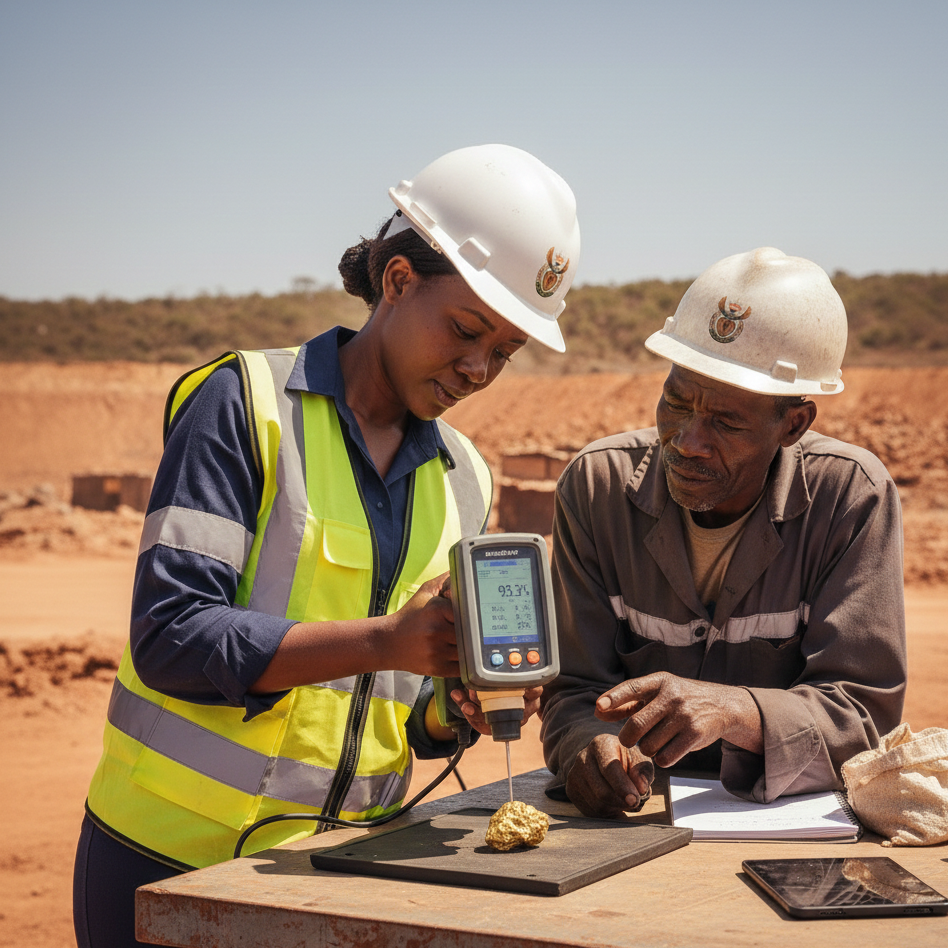
- Fine gold content (90–99.99% purity)
- Export terms (FOB, CIF)
- Compliance documentation (OECD/LBMA-aligned)
This equates to approximately $74 per gram of pure gold—quoted in USD, not local currency—and excludes retail markups.
3. Why Local Prices Aren’t “Cheaper”
- Currency volatility: Weak local currencies inflate ZAR/GHS/NGN prices even if USD gold is stable.
- VAT and duties: Up to 15% in some countries.
- Liquidity constraints: Limited refining capacity increases dealer margins.
- No arbitrage: Global markets ensure prices stay within a narrow band.
Only licensed, documented gold can be legally exported and refined internationally.
4. Africa Gold Reserve’s Role
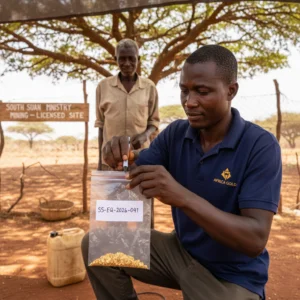
Founded in 2015 and headquartered in South Africa, Africa Gold Reserve sources gold exclusively from:
- Licensed local mines
- Registered small-scale miners
- Government-authorized sellers
Operating across Ghana, South Africa, South Sudan, and the UK, the company exports compliant gold to institutional buyers in the UAE, United States, China, Europe, and Asia—always priced against the LBMA benchmark and backed by full chain-of-custody documentation.
Conclusion
The “cost of gold in Africa” has two realities:
- Retail: High, VAT-inclusive rates in local currency—suitable for personal use
- Institutional: USD-denominated, LBMA-linked pricing for compliant, high-purity gold
For professional buyers, only the latter matters. Partnering with a disciplined exporter like Africa Gold Reserve ensures access to ethically sourced, transparently priced African gold—free from retail inefficiencies and informal market risks.
Website: africa-gold.com
Email: sales@africa-gold.com