

How to Buy Gold from Africa Safely and Legally
The global demand for physical gold continues to grow, driven by investment portfolios, industrial applications, and central bank reserves. Africa holds approximately 30 percent of the world’s known gold reserves, making it a critical source for international buyers. Yet navigating the African gold market requires more than identifying a supplier. Legal frameworks vary by country, supply chains can be fragmented, and due diligence is non-negotiable. For institutional buyers, refineries, and commodity traders, understanding how to source gold responsibly from the continent is both a strategic advantage and a compliance imperative.
Industry Context
Africa’s gold production spans industrial mines operated by multinational corporations and artisanal small-scale mining that employs millions across the continent. Countries like Ghana, South Africa, and Mali consistently rank among the top ten global producers. However, the informal nature of much small-scale activity creates challenges around traceability, taxation, and regulatory compliance. International buyers must work within frameworks such as the Kimberley Process for diamonds—which has no direct equivalent for gold—and increasingly stringent anti-money laundering regulations. The London Bullion Market Association and other bodies now emphasize responsible sourcing standards that require documented provenance from mine to export.

Regional Perspective
Ghana remains Africa’s leading gold producer, with a well-established regulatory environment under the Precious Minerals Marketing Company. Licensed buying centers operate throughout mining regions like Obuasi and Tarkwa, providing structured channels for aggregating gold from small-scale operations. South Africa’s industry is more industrialized, centered on deep-level mines in Gauteng and surrounding provinces, though artisanal recovery from tailings also contributes to supply. South Sudan represents an emerging source with significant untapped potential, though its regulatory infrastructure is still developing. Each jurisdiction requires distinct documentation: export permits, tax clearance certificates, assay reports, and proof of legal acquisition from licensed sellers or mining cooperatives.

AFRICA GOLD’s Approach
Founded in 2015 and headquartered in South Africa, AFRICA GOLD operates across Ghana, South Africa, South Sudan, and the United Kingdom. The company sources gold exclusively through legal channels: licensed local buying offices, registered small-scale mining cooperatives, and established mining operations holding valid concessions. Every transaction begins with verification of the seller’s license and mining rights. Gold is then transported to certified assay laboratories in each operating country for purity testing and weight verification before consolidation. This multi-tiered verification process ensures compliance with local mining codes and international trade regulations. The company does not engage with unlicensed dealers or undocumented sources.
Buying and Export Process
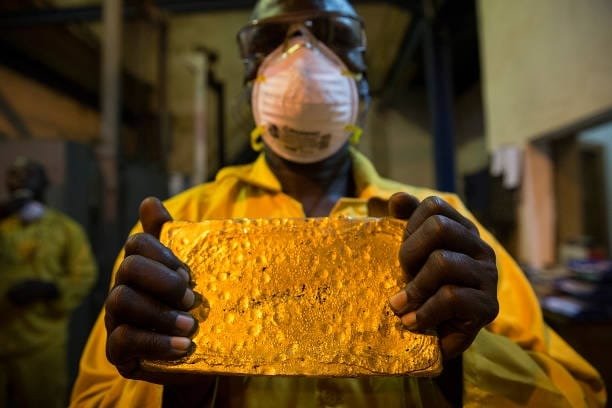
The export workflow begins when gold is delivered to an AFRICA GOLD collection point. Each batch undergoes independent assay to determine fineness, typically ranging from 85 to 98 percent purity depending on the source. Results are documented in certificates issued by LBMA-accredited laboratories where available. Once verified, the gold is aggregated into export lots, insured, and prepared for shipment. Export permits are secured from national revenue authorities after payment of applicable royalties and taxes. Documentation packages include certificates of origin, assay reports, tax receipts, and end-user declarations. Shipments move via secure logistics partners to refineries or vaults in destination markets. Typical routes include Ghana to the United States, South Africa to China, and South Sudan to the UAE, with transit times averaging five to ten business days depending on destination and customs procedures.

Global Demand
International demand for African gold reflects broader market dynamics. Refineries in Switzerland, the UAE, and India require consistent feedstock to meet jewelry and investment bar production. Central banks, particularly in Asia and the Middle East, have increased gold reserves in recent years, often sourcing directly from producing regions to reduce intermediaries. The United States and European markets prioritize responsibly sourced material for exchange-traded products and institutional holdings. African gold’s appeal lies in its physical availability, competitive pricing relative to international spot markets, and the growing emphasis on supply chain transparency that responsible exporters can provide.

Why Buyers Work with AFRICA GOLD
International buyers select African gold suppliers based on three criteria: documentation integrity, logistical reliability, and transactional consistency. AFRICA GOLD maintains permanent offices in each operating country with local staff fluent in regulatory requirements. The company provides full documentation packages with every shipment, enabling buyers to satisfy their own compliance obligations. Payment terms are structured through irrevocable letters of credit or escrow arrangements to protect both parties. With over a decade of operations, the company has established relationships with customs brokers, freight forwarders, and security firms specializing in precious metals transport. This operational depth reduces delays and mitigates risk for buyers unfamiliar with African export procedures.

Conclusion
Sourcing gold from Africa safely and legally requires working with exporters who understand both local regulatory landscapes and international compliance standards. The continent offers substantial supply, but only through verified channels can buyers ensure their purchases meet ethical, legal, and financial requirements. For institutions seeking reliable African gold exporters, due diligence on the supplier’s operational history, documentation practices, and physical presence in mining regions remains essential.
Those evaluating gold export from Ghana, South Sudan gold suppliers, or South Africa gold exporters should request evidence of licensing, assay protocols, and export track records before initiating transactions. The most efficient path to secure supply is through established partners with transparent processes and multi-country operational capacity.
africa-gold.com sales@africa-gold.com