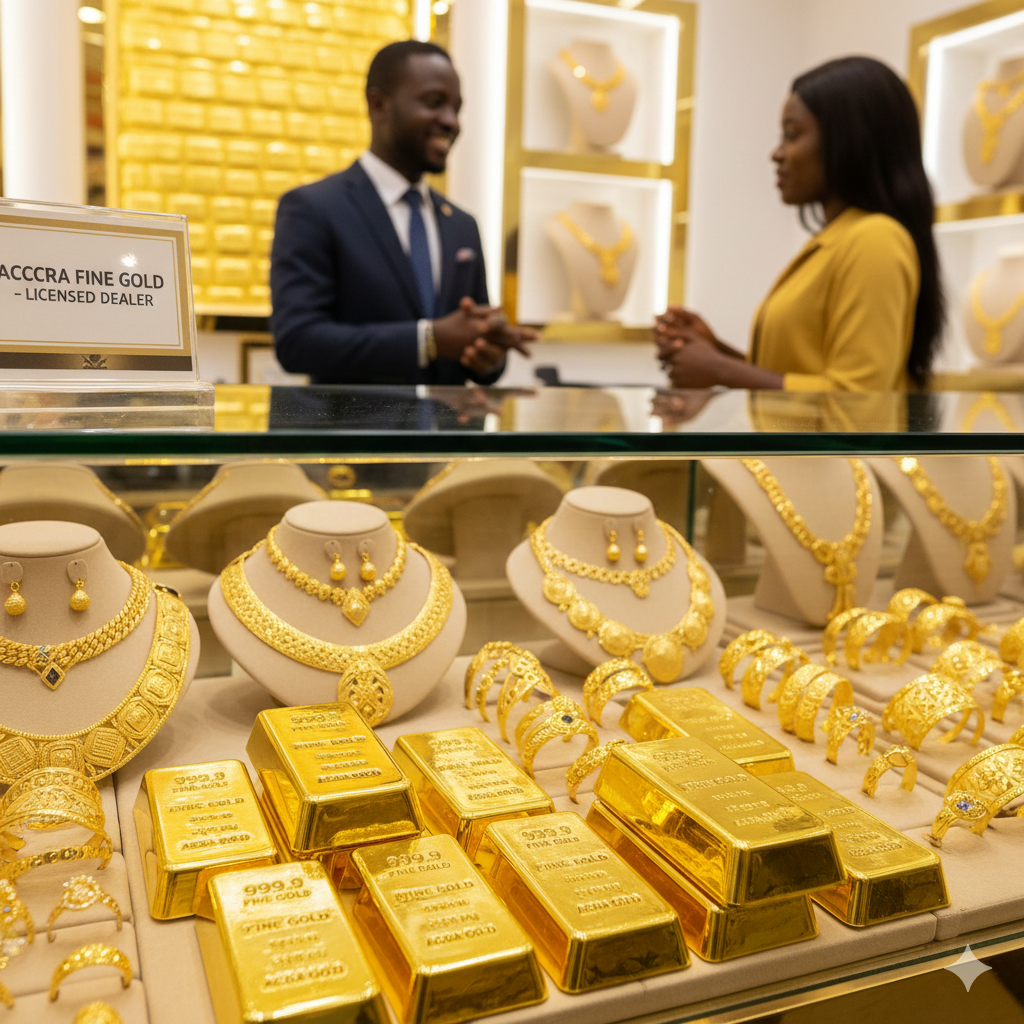

How to Find Gold in Africa – From Geological Prospecting to Ethical Sourcing
Finding gold in Africa involves two distinct paths: geological exploration (for miners and investors) and ethical sourcing (for buyers and refiners). While the continent is rich in gold—producing nearly 950 tonnes annually—accessing it legally and responsibly requires navigating complex regulatory, technical, and compliance landscapes.
1. Geological Prospecting: Where Gold Is Found
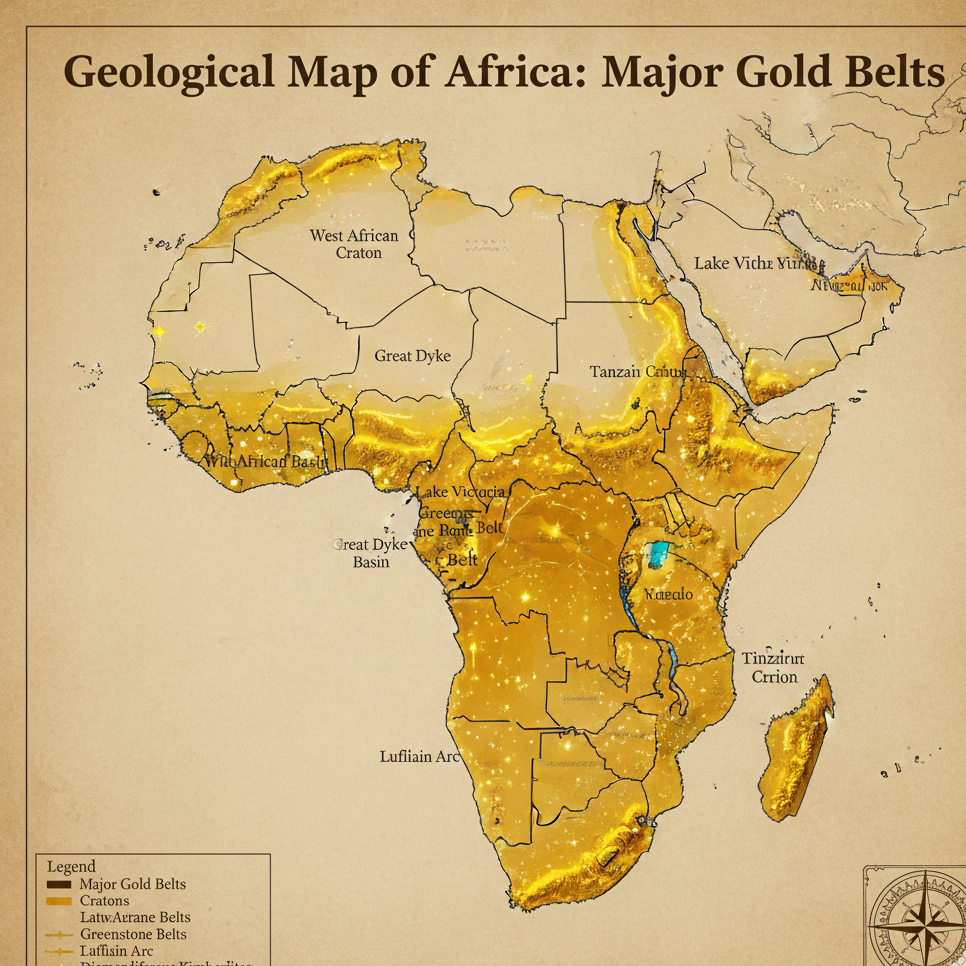
Gold in Africa is concentrated in three major geological belts:
- The Birimian Greenstone Belt (West Africa):
Spans Ghana, Mali, Burkina Faso, and Côte d’Ivoire. Hosts high-grade, near-surface deposits ideal for open-pit mining.
Key areas: Obuasi and Tarkwa (Ghana), Loulo (Mali), Houndé (Burkina Faso). - The Witwatersrand Basin (Southern Africa):
Located in South Africa, this paleoplacer deposit is the richest gold field ever discovered, with over 2,000 tonnes of remaining reserves.
Key mines: Mponeng, South Deep, Driefontein. - The Nubian Shield (Northeast Africa):
Extends through Sudan, Egypt, and Ethiopia. Contains orogenic and alluvial gold, though much remains underexplored.
Key sites: Sukari Mine (Egypt), Ariab region (Sudan).
2. Legal Requirements for Exploration
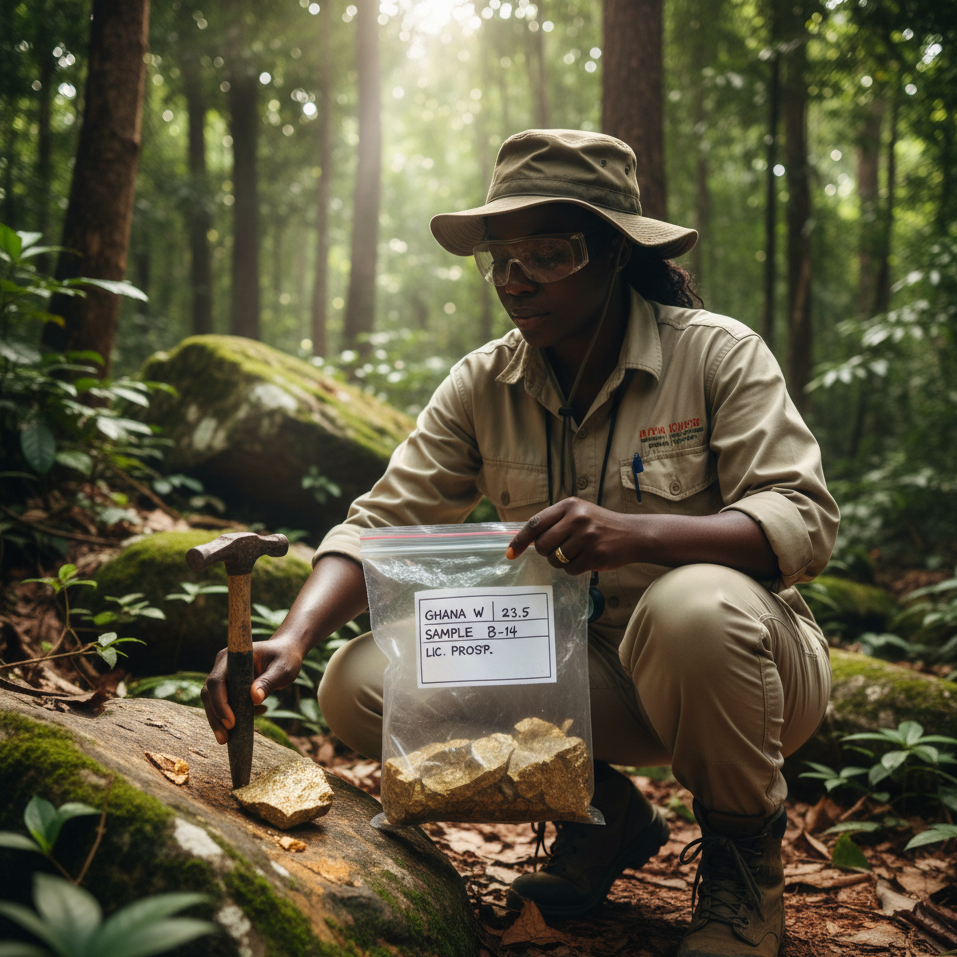
You cannot prospect or mine gold in Africa without government authorization. Key steps include:
- Apply for a prospecting license from national mining authorities (e.g., Ghana Minerals Commission, South Africa DMRE).
- Submit environmental and social impact assessments.
- Demonstrate financial and technical capacity.
- In most countries, secure local equity participation (e.g., 30% B-BBEE in South Africa).
⚠️ Unauthorized prospecting (“galamsey” in Ghana, “zama zama” in South Africa) is illegal and carries criminal penalties.
3. For Buyers: Sourcing Gold Responsibly
Most international parties do not explore—they source verified gold from compliant channels. This requires:
- Partnering with licensed aggregators or exporters
- Ensuring sellers hold valid mining or trading licenses
- Requiring assay certificates, export permits, and chain-of-custody records
In Ghana, all legal exports must route through the Precious Minerals Marketing Company (PMMC). In South Africa, exporters need permits from the Department of Mineral Resources and Energy.

4. Avoiding Illicit and High-Risk Supply
Red flags to watch for:
- Sellers offering gold “below market” with no documentation
- No verifiable business address or license number
- Requests for upfront payment via cryptocurrency or wire transfer
Such offers often involve conflict-linked or smuggled material—rejected by global refiners under OECD guidelines.
5. Africa Gold Reserve’s Role
Founded in 2015 and headquartered in South Africa, Africa Gold Reserve operates in Ghana, South Africa, and South Sudan. The company does not mine but sources high-purity gold exclusively from:
- Licensed local mines
- Registered small-scale miners
- Government-authorized sellers
All transactions include on-site assaying, GPS-tagged digital records, and full compliance with OECD Due Diligence Guidance and LBMA Responsible Gold standards.
Conclusion
To “find” gold in Africa, you must either legally explore—a capital-intensive, multi-year process—or ethically source from verified suppliers. For institutional buyers, the latter is the only practical and compliant path. Partnering with a professional exporter like Africa Gold Reserve ensures access to traceable, responsible African gold—free from the risks of informal or illicit trade.
Website: africa-gold.com
Email: sales@africa-gold.com