
How to Find Gold in South Africa – Legal, Geological, and Practical Guidance
Finding gold in South Africa is possible—but only through legal, licensed channels. The country’s gold resources are among the world’s most significant, yet all mineral rights are owned by the state, and unauthorized prospecting or mining is illegal. Below is a clear, professional overview of how gold is found and accessed in South Africa today.
1. Geological Context: Where Gold Exists
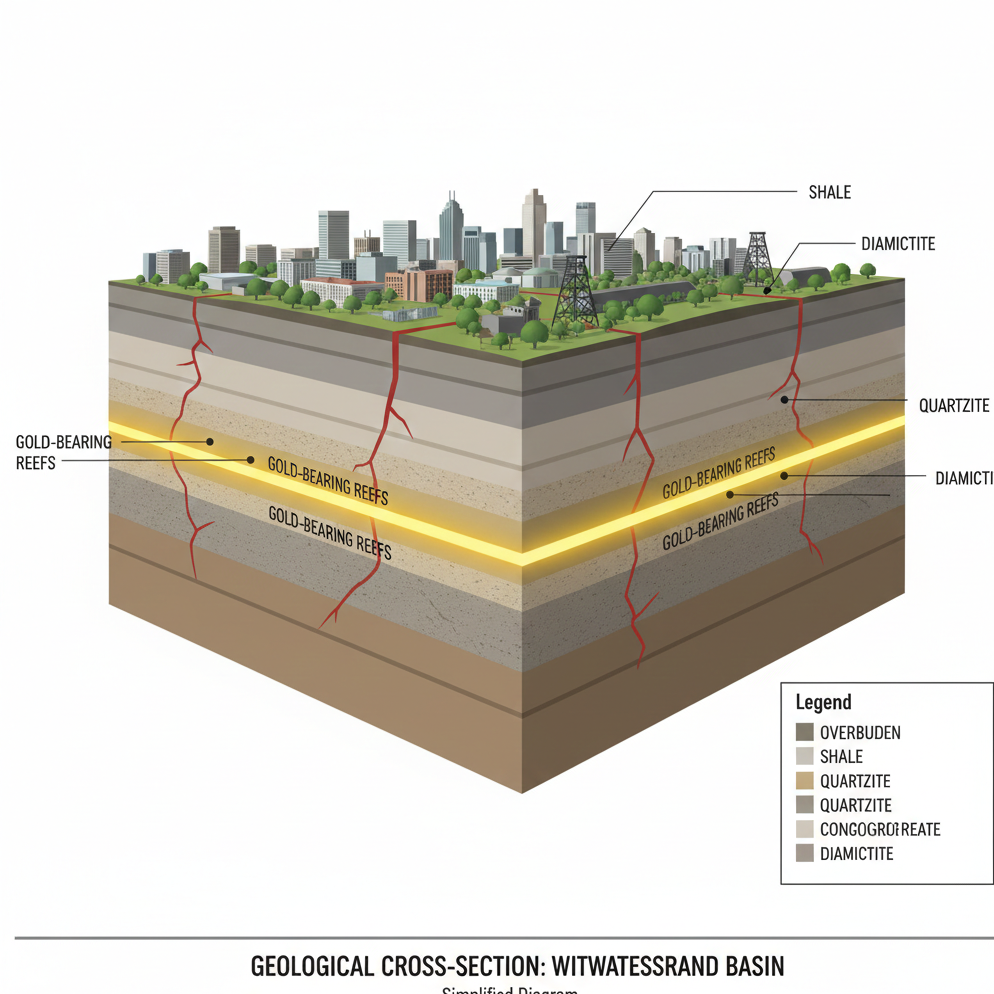
Gold in South Africa is primarily located in the Witwatersrand Basin, a 3-billion-year-old geological formation stretching across Gauteng, North West, and Free State provinces. Key characteristics:
- Deep-level reefs: Gold occurs in conglomerate layers (e.g., Carbon Leader Reef) at depths of 1–4+ kilometers.
- Major mines: Mponeng (world’s deepest mine), South Deep, Driefontein, and Kloof.
- Tailings deposits: Over 6 billion tonnes of historic mine waste around Johannesburg contain residual gold—now being reprocessed commercially.
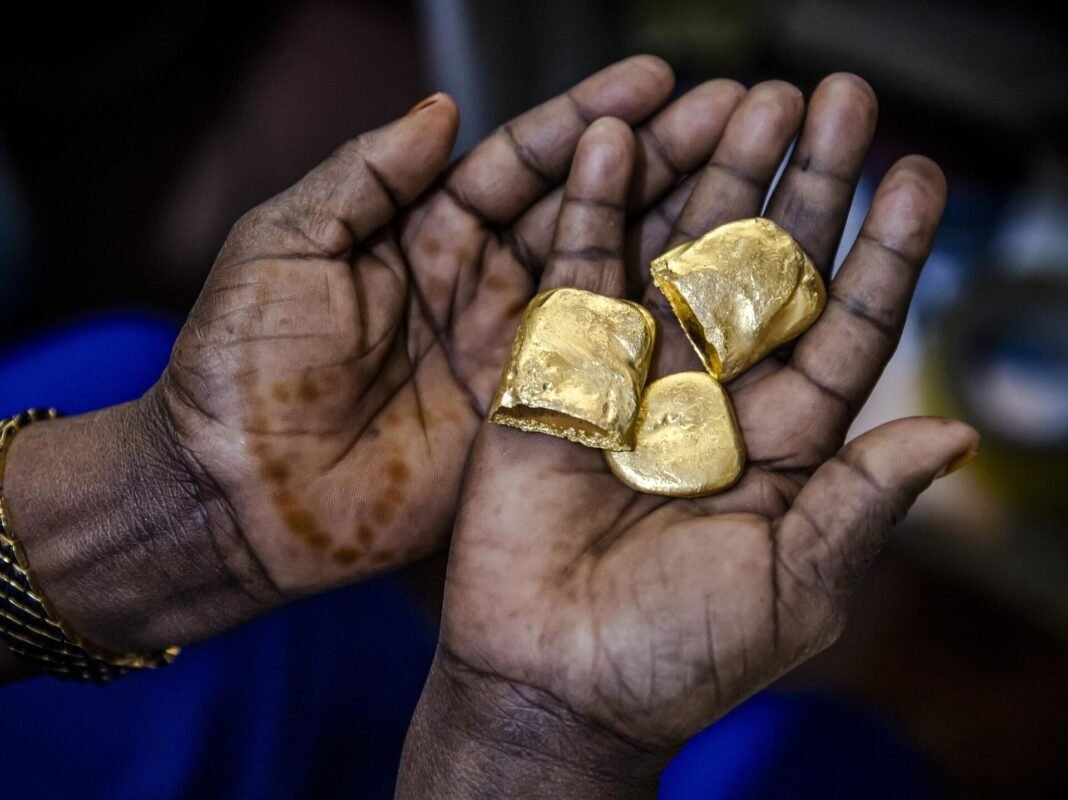
Surface or alluvial gold is extremely rare; nearly all remaining deposits require industrial extraction.
2. Legal Framework: You Cannot Prospect Freely
Under the Mineral and Petroleum Resources Development Act (MPRDA) of 2002:
- All mineral rights belong to the South African state—not landowners.
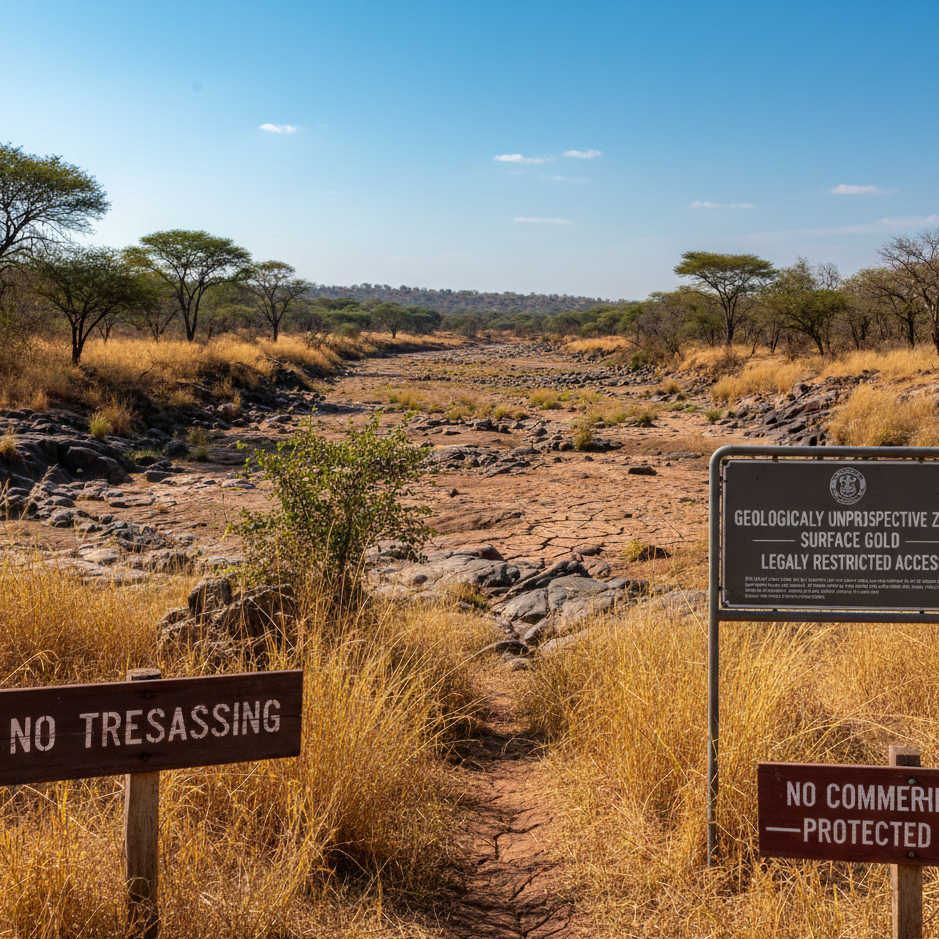
- Recreational panning, metal detecting, or surface digging for gold is illegal without a government license.
- Unauthorized activity (“zama zama” mining) is a criminal offense, punishable by fines or imprisonment.
⚠️ Even if you find visible gold on your property, removing it without a permit is against the law.
3. How to Legally Explore for Gold
To conduct formal exploration, you must obtain a prospecting right from the Department of Mineral Resources and Energy (DMRE). Requirements include:
- Register a South African company (CIPC)
- Secure minimum 30% B-BBEE ownership
- Submit technical, financial, and environmental plans
- Obtain landowner consent (if applicable)
- Undergo public consultation and regulatory review (18–36 months)
This process is designed for corporations, not individuals or hobbyists.
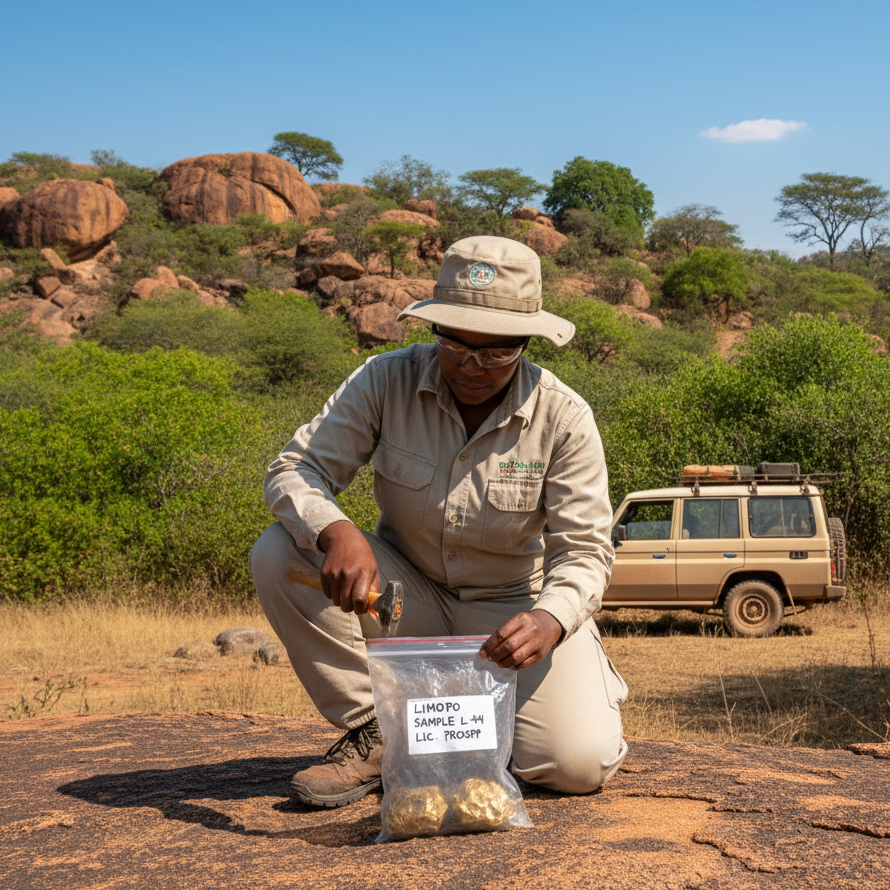
Image: Field geologist collecting rock samples during a licensed reconnaissance survey in Limpopo
4. Alternative: Access Gold Without Mining
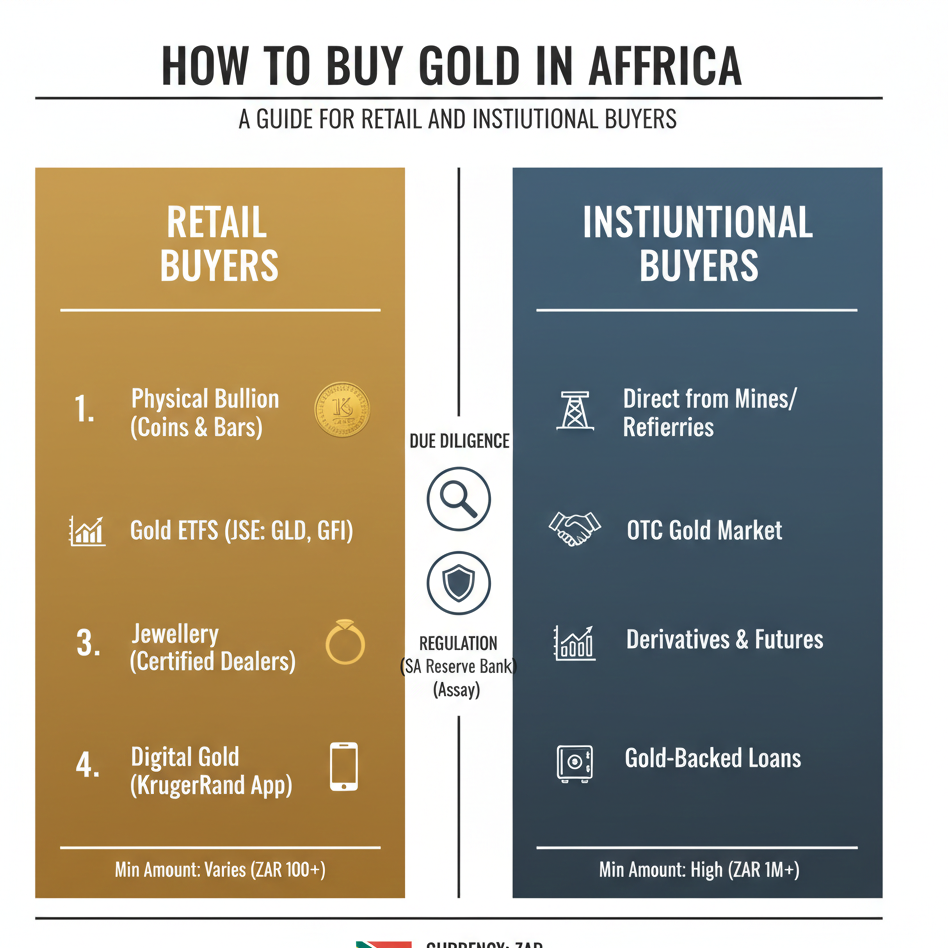
For investors, collectors, or buyers, the practical path is not to find gold, but to buy it:
- Retail: Purchase Krugerrand coins (VAT-exempt) or bars from Standard Bank, FNB, or SA Bullion.
- Institutional: Source high-purity gold through licensed exporters like Africa Gold Reserve, which aggregates from:
- Licensed mines
- Registered small-scale miners
- Government-authorized sellers
All material is assayed, documented, and compliant with OECD and LBMA standards.

5. Tourist “Panning” Is Simulated Only
A few heritage sites (e.g., near Pilgrim’s Rest) offer simulated gold panning using pre-placed material. These are:
- Purely for entertainment
- Not real prospecting
- Do not involve legal mineral rights
Participants cannot keep naturally occurring gold.
Conclusion
You can “find” gold in South Africa only through licensed exploration—a complex, corporate-level process. For most people, the realistic and legal option is to buy verified South African gold. Institutional buyers should partner with professional exporters like Africa Gold Reserve to ensure ethical, compliant, and audit-ready supply.
Website: africa-gold.com
Email: sales@africa-gold.com