
How to Trade Gold in South Africa – Retail, Institutional, and Export Pathways
Trading gold in South Africa is possible through multiple channels—ranging from retail investment to institutional export—but each requires distinct strategies, licenses, and compliance frameworks. Whether you’re an individual investor or a global commodity trader, understanding the legal structure is essential to operate successfully and ethically.
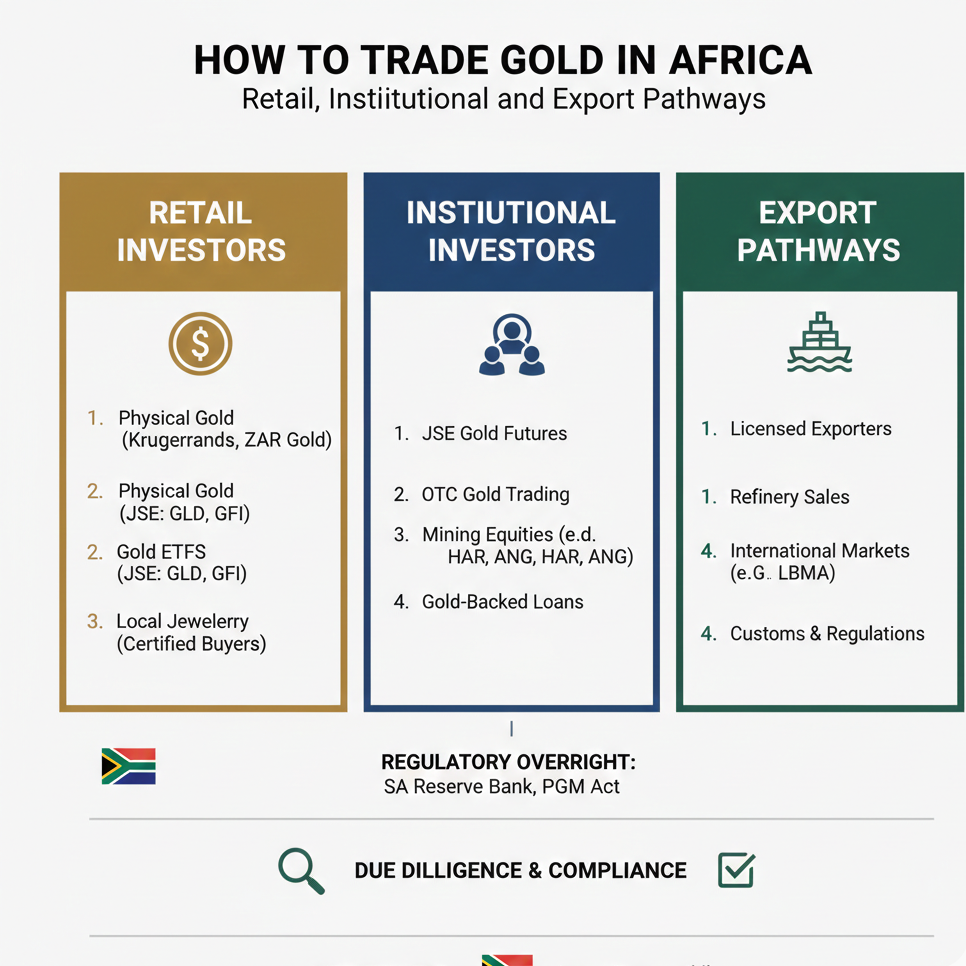
1. Retail Gold Trading (For Individuals)
Individuals can buy and sell gold as a financial asset or collectible through regulated channels:
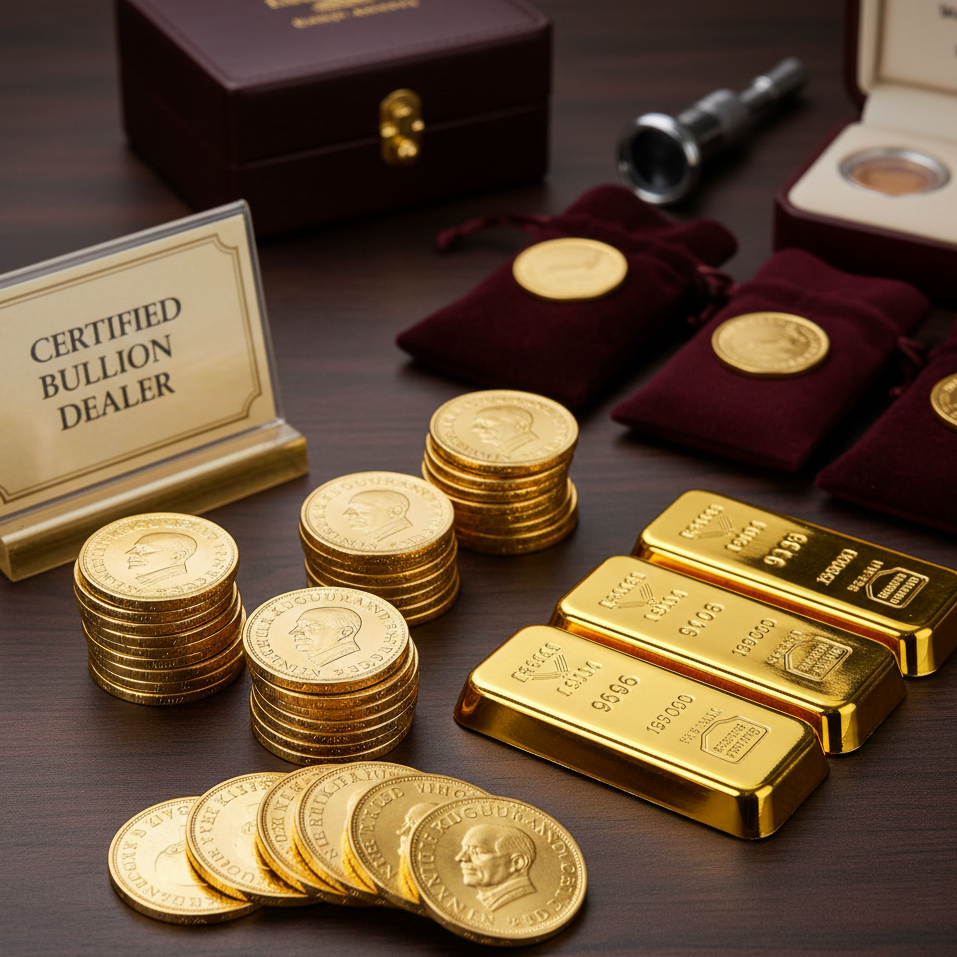
- Krugerrand Coins:
- VAT-exempt, globally recognized, and liquid.
- Purchased from Standard Bank, FNB, or licensed bullion dealers like SA Bullion.
- Gold Bars:
- Available in 1g–1kg sizes from LBMA-accredited refiners (e.g., Rand Refinery).
- Subject to 15% VAT.
- Gold ETFs & Digital Platforms:
- Traded on the Johannesburg Stock Exchange (JSE) (e.g., NewGold ETF).
- Offer exposure without physical ownership.
💡 Note: All transactions over ZAR 25,000 require FICA compliance (ID, proof of address).
2. Institutional Gold Trading (For Businesses)
Companies trading gold commercially must comply with strict regulations:
- Licensing:
- Register with the Department of Mineral Resources and Energy (DMRE) as a mineral dealer.
- Obtain a Precious Metals Act permit for buying/selling.
- Sourcing:
- Only acquire gold from licensed mines, registered small-scale miners, or government-authorized sellers.
- Export:
- Requires export permits from DMRE and approval from the South African Reserve Bank (SARB).
- Must align with OECD Due Diligence Guidance for responsible sourcing.
Unauthorized trading—even with legitimate-looking sellers—risks legal penalties and market exclusion.
3. Physical Gold Export (For Global Buyers)
International traders typically do not “trade” gold locally—they import it via compliant exporters. The process includes:
- Partnering with a licensed South African exporter
- Verifying seller permits and gold origin
- Conducting independent assaying
- Securing export documentation (permits, certificates of origin)
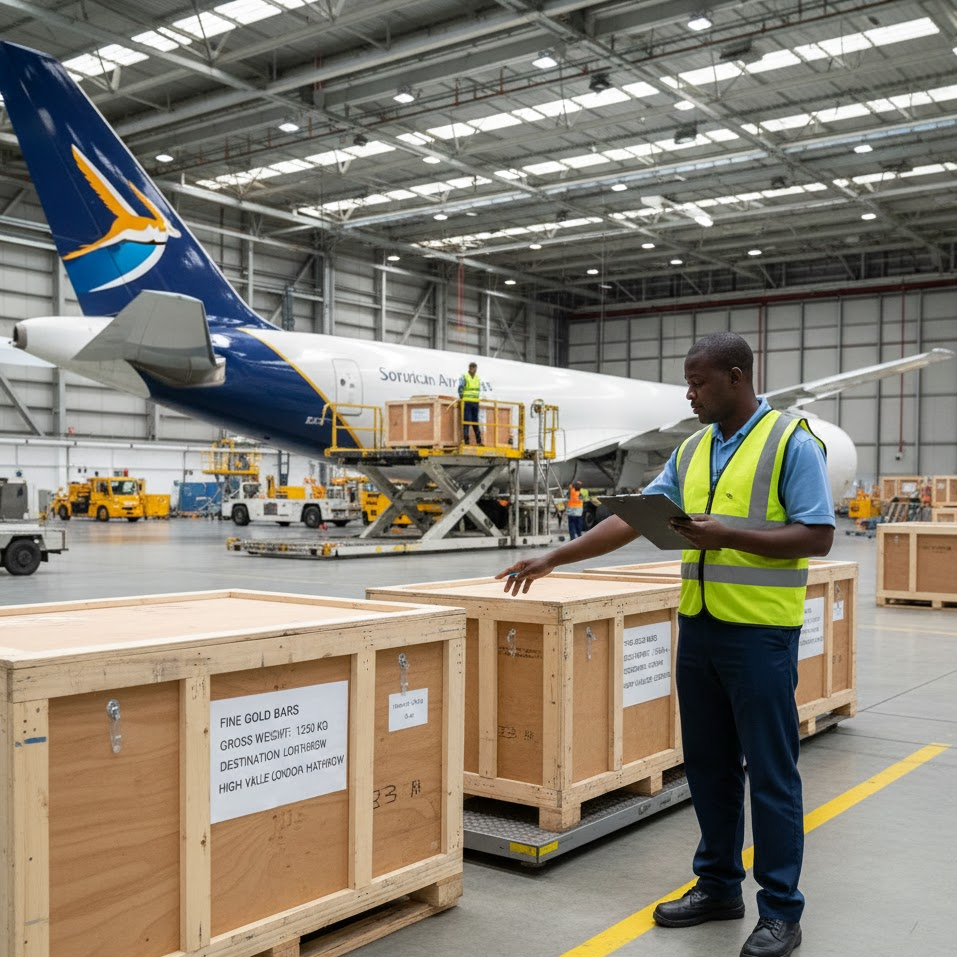
- Arranging insured air cargo from O.R. Tambo International Airport
Only gold with full chain-of-custody can be accepted by LBMA refiners in Dubai, Zurich, or New York.
4. Red Flags to Avoid
❌ Unlicensed buyers/sellers operating online or via social media
❌ Offers significantly below LBMA benchmark (~$2,300/oz)
❌ Requests for upfront payment via cryptocurrency or wire transfer
❌ No verifiable business registration or physical office
These are hallmarks of scams or illicit trade.
5. Africa Gold Reserve: A Compliant Trading Partner
Founded in 2015 and headquartered in South Africa, Africa Gold Reserve facilitates institutional gold trading by:
- Sourcing exclusively from licensed producers in South Africa, Ghana, and South Sudan
- Providing full OECD-aligned due diligence and LBMA-compliant documentation
- Exporting to buyers in the UAE, United States, China, Europe, and Asia
The company does not engage in retail sales but enables secure, audit-ready physical gold transactions for serious market participants.
Conclusion
Trading gold in South Africa is viable—but only within legal boundaries. Retail investors should stick to Krugerrands or ETFs. Institutional players must prioritize compliance over cost. For global buyers, partnering with a professional exporter like Africa Gold Reserve ensures access to ethically verified, transparently traded South African gold.
Website: africagoldreserve.com
Email: sales@africagold.com