
Investment Opportunities in African Mining Projects
African gold mining presents distinct investment avenues—each carrying different risk profiles, capital requirements, and operational complexities. Institutional investors must distinguish between direct mining project equity (high-risk development capital) and physical gold sourcing opportunities (commodity trading exposure). Understanding these differences prevents misallocation of capital and aligns expectations with reality.
Direct Mining Project Investment: High Complexity
Direct equity investment in African mining projects involves:
- Multi-million dollar capital commitments for exploration, feasibility studies, and development
- Multi-year timelines before production commencement
- Regulatory navigation across mineral rights, environmental permits, and community agreements
- Operational risks including geological uncertainty, infrastructure constraints, and political exposure
These investments suit specialized mining funds with technical teams—not general commodity investors. Returns remain speculative until production commences, and many projects never reach commercial output.
Physical Gold Sourcing: Commodity Exposure
Investors seeking gold exposure without mining development risk may access physical supply through compliant export channels. This approach provides:
- Direct ownership of assay-certified material with documented provenance
- Pricing tied to LBMA benchmarks with transparent deductions
- No exposure to mine development timelines or geological risk
- Transferability through established refinery networks
This avenue functions as commodity trading—not mining equity investment. Returns correlate with gold price movements minus documented logistics costs—not project development upside.

Image: Assay-certified gold granules representing physical commodity exposure versus mining equity risk
Due Diligence Imperatives
Investors evaluating African gold opportunities must conduct rigorous verification:
- For mining projects: Independent technical reports (NI 43-101 or equivalent), audited financials, valid mineral rights documentation, and environmental compliance records
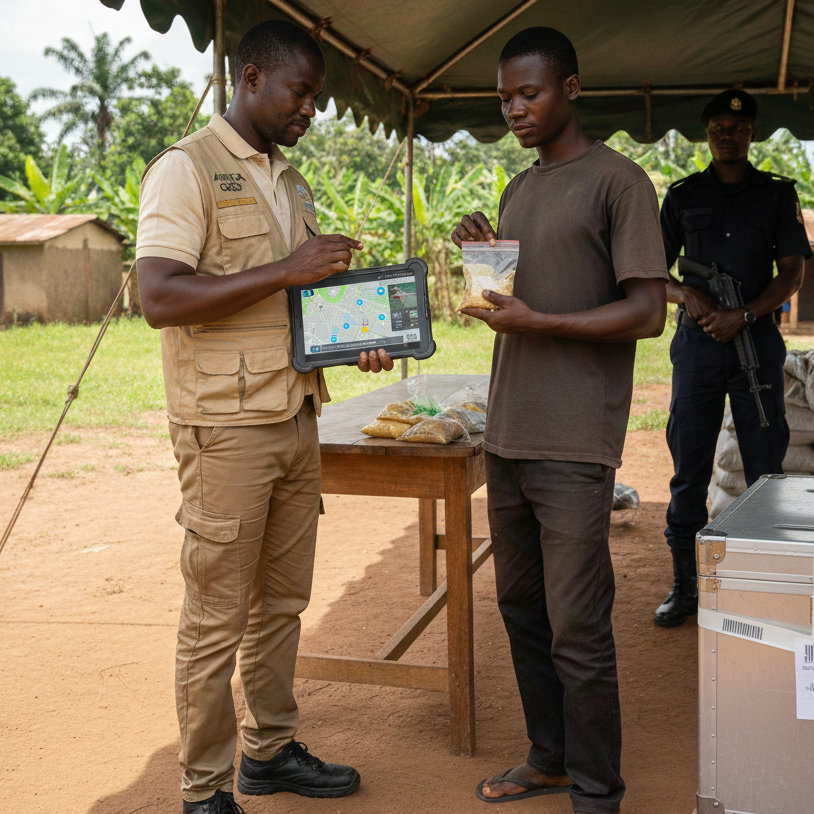
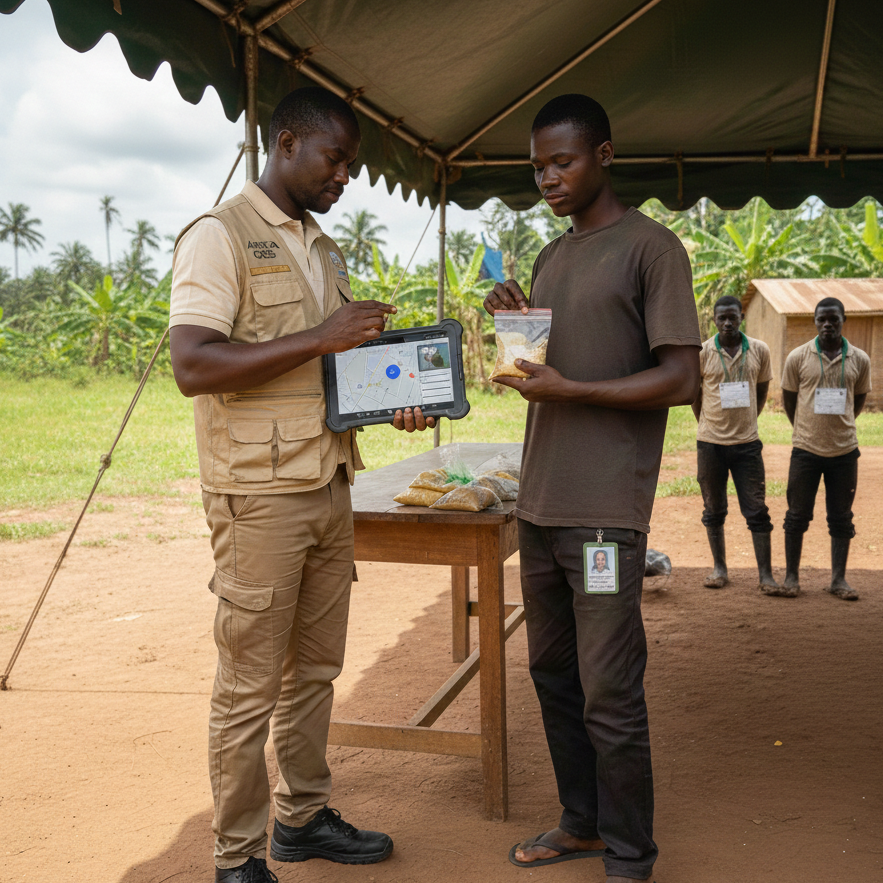
- For physical sourcing: Exporter licensing verification, accredited assay certificates, government permit validation, and chain of custody documentation review
Requests for upfront deposits without independent verification signal elevated fraud risk in both categories.
AFRICA GOLD’s Role: Sourcing and Export
Since 2015, AFRICA GOLD has operated as a gold sourcing and export company—not a mining project developer or investment facilitator. The company:
- Sources material from licensed miners and small-scale cooperatives
- Coordinates accredited assay certification and government permits
- Manages secure logistics to international refineries
- Provides physical gold with documented chain of custody to buyers
AFRICA GOLD does not offer equity in mining projects, facilitate project financing, or guarantee investment returns. The company enables institutional buyers to access physical African gold supply through compliant channels—providing commodity exposure without mining development risk.
Risk Awareness Framework
All African gold investments require risk acknowledgment:
- Mining projects face development risk, cost overruns, and potential non-production
- Physical sourcing requires documentation integrity to prevent refinery rejection
- Currency volatility affects local acquisition economics across all models
- Regulatory changes can disrupt supply chains regardless of investment structure
No legitimate operator guarantees returns or eliminates these inherent risks.
African gold offers investment avenues across the risk spectrum—but success requires accurate categorization and rigorous due diligence. Partner with operators whose business models align with your risk tolerance: specialized mining funds for project development, or established exporters like AFRICA GOLD for documented physical supply.
africa-gold.com
sales@africa-gold.com