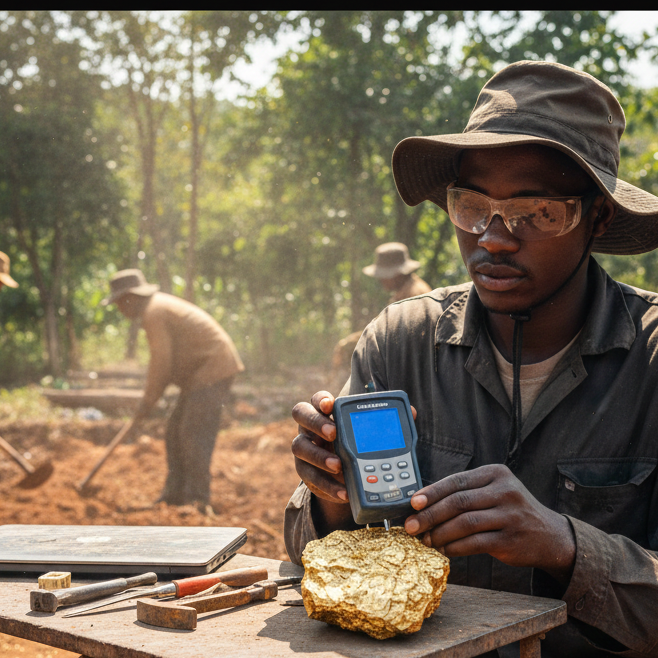

Investment Opportunities in African Mining Projects: A 2026 Outlook
Africa’s mining sector stands at a pivotal juncture. While global foreign direct investment (FDI) flows to the continent declined by 38% in 2025—falling to $59 billion—sub-Saharan Africa proved more resilient, with only a 6% drop [[18]]. Within this context, the mining industry is emerging as a bright spot, driven by surging demand for critical minerals and strategic policy reforms. For institutional investors, commodity traders, and industrial buyers, the continent offers a compelling mix of established production and high-potential greenfield projects.
Industry Context
Africa holds an estimated 30% of the world’s mineral reserves, including vast deposits of gold, copper, lithium, manganese, and platinum group metals [[11]]. The global energy transition has intensified interest in so-called “green minerals,” positioning Africa as a key supplier to battery, electric vehicle, and renewable energy supply chains.
In 2026, this demand is translating into tangible project momentum. From Ghana’s first lithium mine to underground expansions at B2Gold’s Fekola operation in Mali, the sector is moving beyond exploration into development and production phases [[3]][[5]]. Governments are responding with updated regulatory frameworks aimed at attracting responsible capital while ensuring greater local value addition.
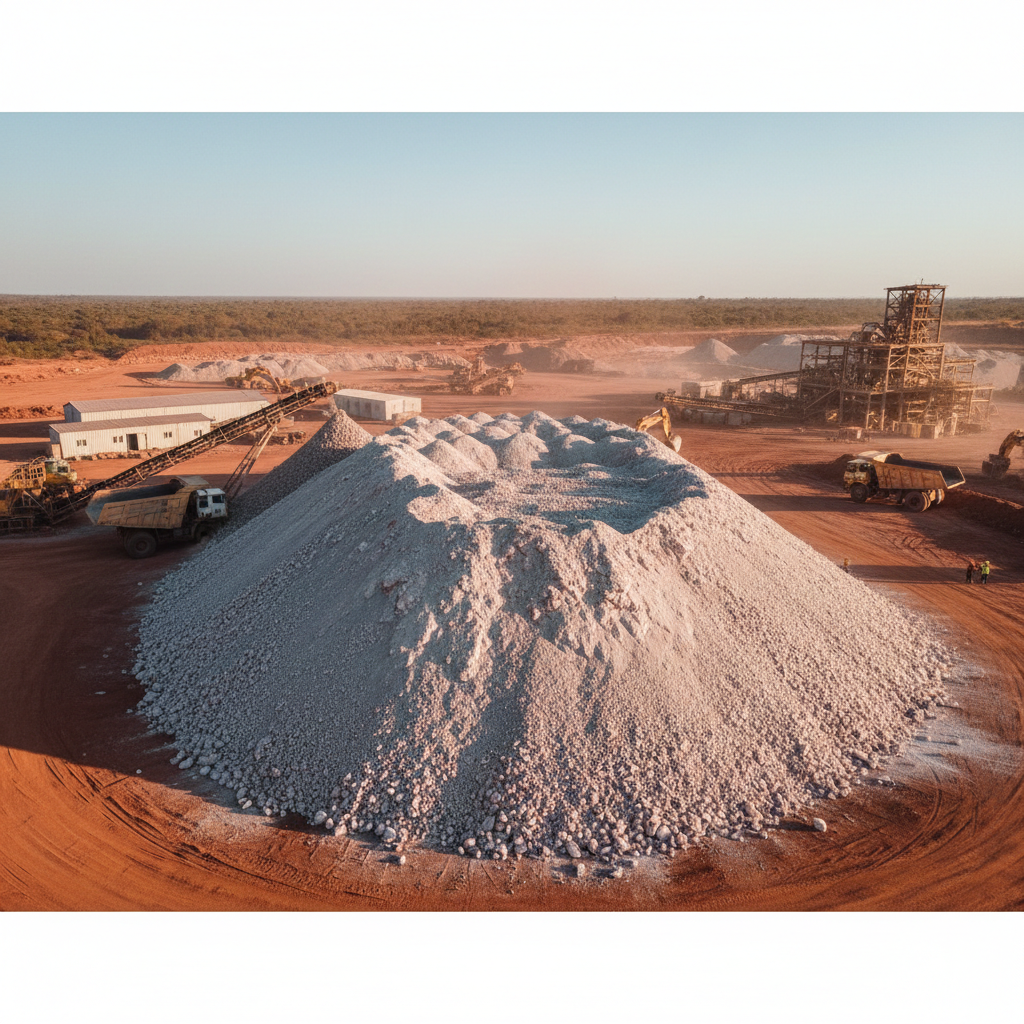
Regional Perspective
Investment opportunities vary significantly by jurisdiction, reflecting differences in geology, infrastructure, and regulatory maturity.
Ghana remains one of Africa’s most attractive destinations for mining investment. The country is finalizing approval for its first lithium mine—led by Australian firm Atlantic Lithium—in a move designed to capture value from the EV boom [[5]]. At the same time, gold output continues to grow, supported by formalization efforts in the artisanal sector.
South Africa offers depth and technical sophistication. As a leading producer of platinum, manganese, and chrome, it hosts numerous advanced-stage projects and benefits from well-developed infrastructure and financial markets [[22]]. Its legal framework, governed by the Mineral and Petroleum Resources Development Act (MPRDA), provides clarity on licensing and ownership [[29]].
The Democratic Republic of Congo (DRC) dominates global cobalt supply and holds significant copper reserves in the Lualaba province, which aims to become a strategic hub for mining, energy, and logistics [[14]]. Despite persistent governance challenges, the DRC remains central to any serious discussion of battery metal investments.
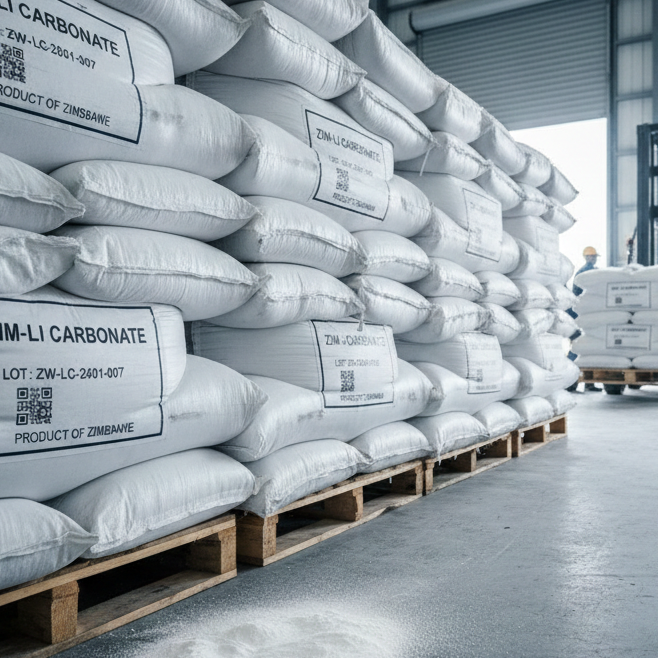
Zimbabwe is advancing rapidly in the lithium space. Projects like Sandawana aim to supply over 20% of Africa’s lithium for battery technologies by 2026 [[8]]. The government has prioritized mineral beneficiation, requiring investors to build processing facilities alongside extraction operations.
Other notable jurisdictions include Namibia, Botswana, and Mali, all of which rank among the top holders of pre-feasibility mining projects on the continent [[21]].
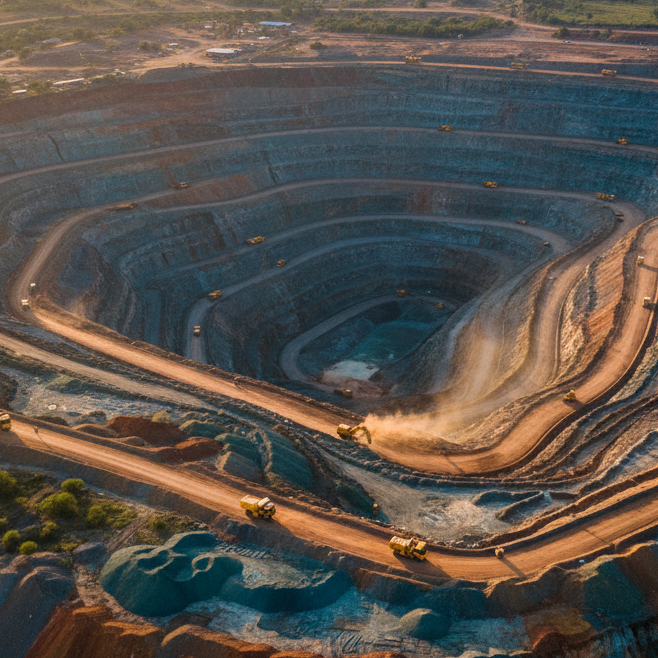
AFRICA GOLD’s Strategic Position
While AFRICA GOLD’s core business centers on gold sourcing and export, its deep operational footprint across Ghana, South Africa, and South Sudan provides unique visibility into emerging investment trends. Founded in 2015 and headquartered in South Africa, the company maintains close relationships with licensed miners, local authorities, and logistics providers—offering a ground-level view of market dynamics that pure financial investors often lack.
This on-the-ground presence allows AFRICA GOLD to identify early-stage opportunities and assess risk factors that aren’t apparent in feasibility studies alone. Though the company does not act as an investment fund, its network and compliance-first approach make it a valuable partner for international buyers evaluating entry points into African mineral supply chains.
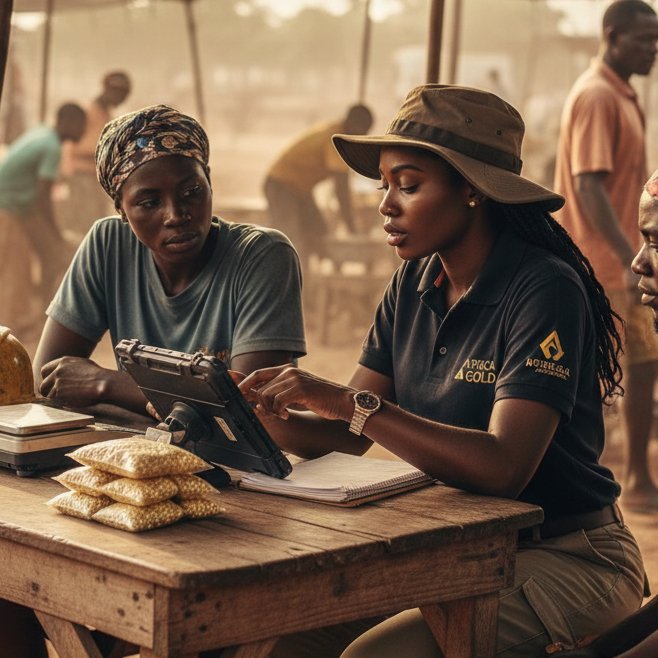
Image: AFRICA GOLD field representative meeting with licensed small-scale miners in Western Ghana
Key Sectors Attracting Capital
Three commodities are driving the current wave of mining investment:
- Lithium: With at least 12 major lithium projects underway across Africa—including Arcadia (Zimbabwe), Goulamina (Mali), and Bougouni (Guinea)—the continent is poised to become a top-tier supplier to global battery makers [[10]].
- Copper: Dubbed “the backbone of African mining expansion,” copper is seeing renewed interest due to its role in electrification and grid infrastructure [[2]]. Projects in Zambia, DRC, and Namibia are advancing toward production.
- Gold: Despite being a mature sector, gold is experiencing a resurgence through both large-scale expansions (e.g., Fekola underground) and formalization of artisanal output in West Africa [[3]][[4]].
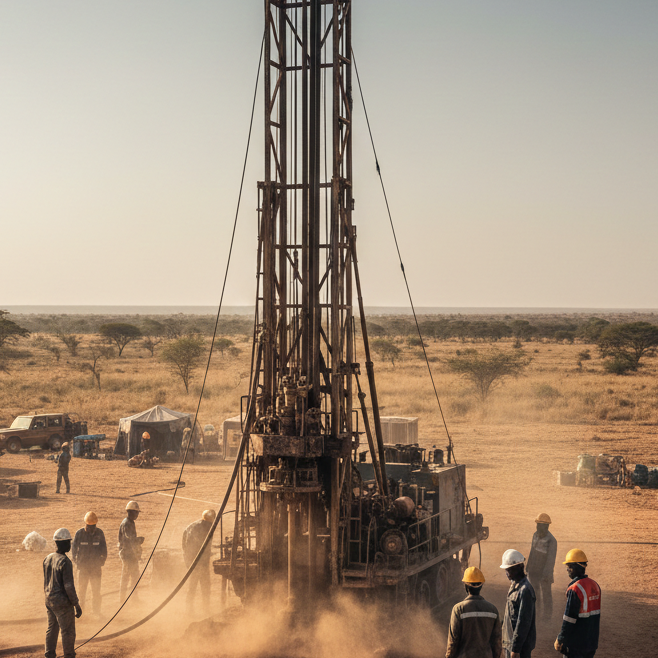
Image: Drilling rig at a greenfield gold exploration site in Northern South Sudan
Global Demand and Trade Flows
International buyers in the UAE, United States, China, Europe, and Asia are increasingly seeking diversified, ethical sources of raw materials. This trend favors African producers who can demonstrate chain-of-custody integrity and environmental compliance.
For example, U.S. gold demand more than doubled in 2025 due to investment inflows, while Chinese bar and coin purchases rose by 42% [[23]]. Similarly, European manufacturers are under regulatory pressure to secure traceable lithium and cobalt—creating a premium for responsibly sourced African material.
Why Partner with Established Operators
Entering African mining requires more than capital—it demands local knowledge, regulatory navigation, and community engagement. Companies like AFRICA GOLD, with years of compliant operations across multiple jurisdictions, offer a bridge between international capital and on-the-ground reality.
Their experience ensures that transactions—from initial sourcing to final export—are conducted within legal frameworks, reducing exposure to reputational and operational risk. For investors assessing joint ventures, offtake agreements, or supply partnerships, such reliability is non-negotiable.
Conclusion
Africa’s mining investment landscape in 2026 is defined by opportunity tempered by complexity. The push for critical minerals is real, but success depends on choosing the right partners and jurisdictions. With clear policies, growing infrastructure, and abundant resources, the continent offers long-term potential for those willing to engage responsibly.
For international buyers and investors seeking a trusted gateway to African gold and mineral supply chains, AFRICA GOLD provides a professional, transparent, and experienced point of entry.
Website: africa-gold.com
Email: sales@africa-gold.com