
Is Gold in Africa More Competitive? Understanding Pricing in the African Gold Market
Introduction
The question of whether gold in Africa offers better pricing than other markets is one that commodity traders and institutional buyers ask regularly. The answer requires understanding the complex dynamics of African gold production, export structures, and the relationship between local sourcing costs and international benchmark prices. While gold trades at globally standardized prices based on purity and weight, the African market presents distinct advantages for buyers who work with established export partners who understand local procurement dynamics.
Africa Gold Reserve, founded in 2015 and headquartered in South Africa, has spent nearly a decade navigating these complexities across Ghana, South Africa, South Sudan, and beyond. This article examines the pricing structures, regional variations, and operational factors that influence gold costs in African markets.
Industry Context
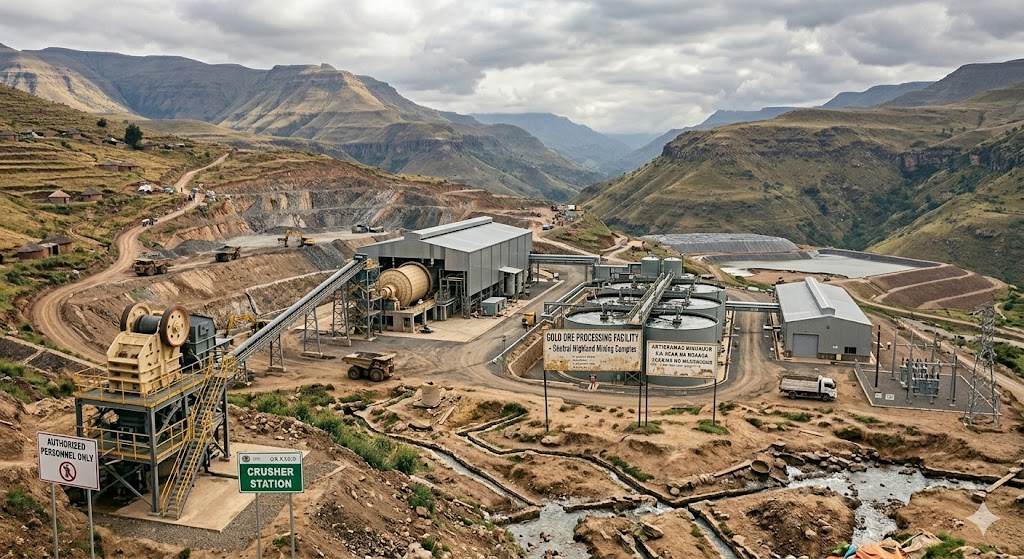
Gold pricing operates on a global benchmark system, primarily referenced against the London Bullion Market Association (LBMA) spot price. However, the price that international buyers pay for African-sourced gold involves several components beyond the base spot price. These include refining costs, export duties, transportation, insurance, and the margin required by exporters to maintain sustainable operations.
What distinguishes African gold in the international market is not necessarily a lower base price, but rather the accessibility to primary sources and the potential for competitive structuring when working directly with established African gold exporters. Countries like Ghana, South Africa, and emerging producers such as South Sudan have varying regulatory frameworks, tax structures, and production costs that influence final export pricing.
International gold trading from Africa requires navigating these regional differences while maintaining compliance with international standards, anti-money laundering regulations, and responsible sourcing protocols. Buyers who attempt to source directly without local expertise often encounter pricing that appears attractive initially but carries hidden costs related to quality verification, logistical complications, or regulatory non-compliance.
Regional Perspective
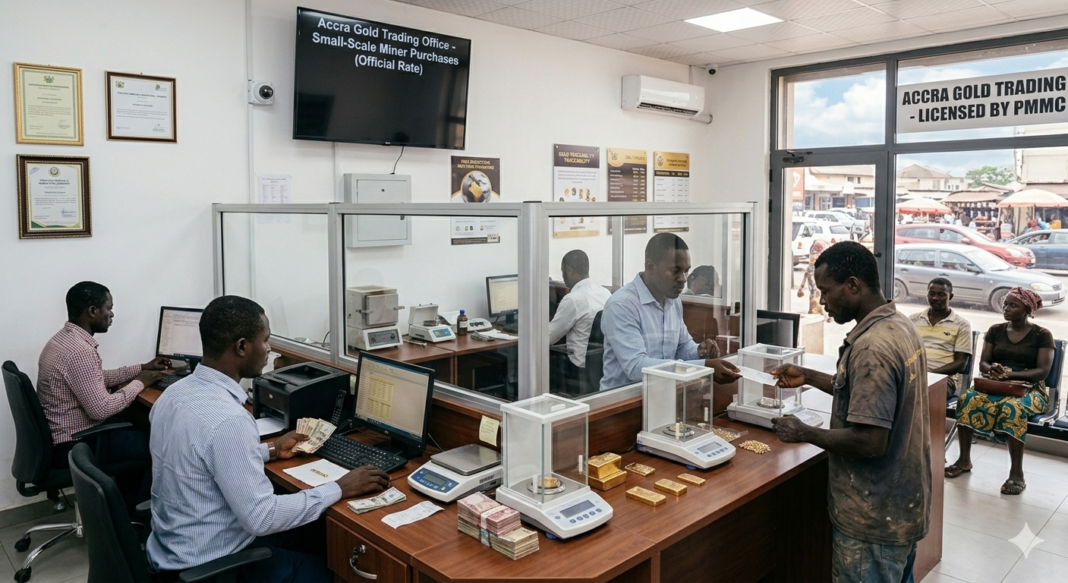
Each African gold-producing region presents unique characteristics that affect pricing and availability. Ghana, long established as one of Africa’s leading gold producers, offers relatively mature export infrastructure and clear regulatory pathways. Gold export from Ghana benefits from established mining communities, licensed buying centers, and government oversight that provides transparency but also includes defined tax and royalty obligations.
South Africa, despite declining production volumes compared to historical peaks, remains significant due to its sophisticated refining infrastructure and established financial systems. South Africa gold exporters benefit from proximity to world-class refineries and banking institutions, though operational costs tend to be higher than in other African jurisdictions.
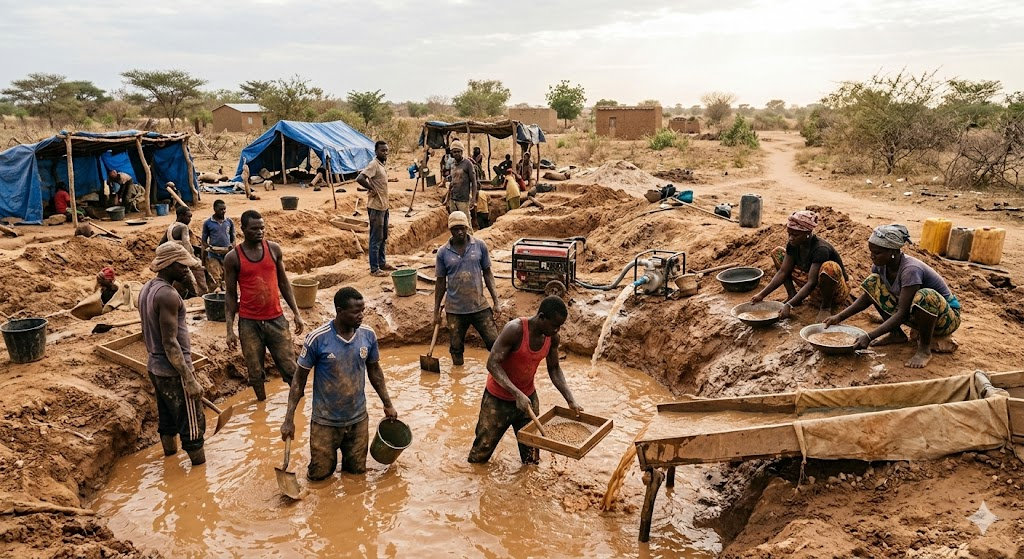
South Sudan represents an emerging frontier in African gold production. South Sudan gold suppliers operate in a developing regulatory environment where production is often artisanal or small-scale. This creates opportunities for competitive pricing but requires exporters with deep local knowledge to navigate logistical challenges and ensure responsible sourcing practices.
The variation across these regions means that pricing is not uniform across the continent. Buyers working with partners who maintain operations in multiple jurisdictions can access different supply pools and optimize sourcing based on current market conditions, availability, and specific quality requirements.
Africa Gold Reserve’s Approach
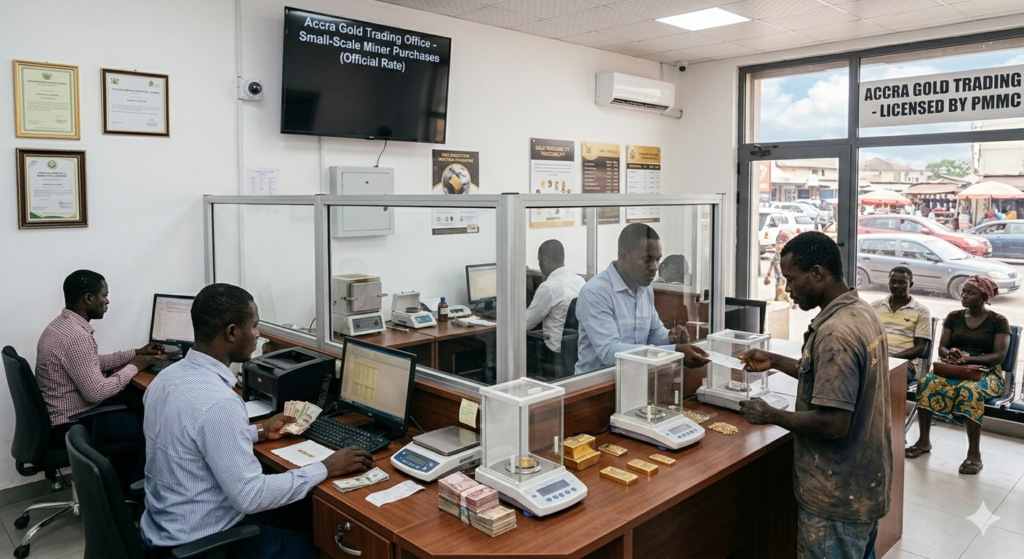
Africa Gold Reserve has built its operations around direct relationships with local mines, small-scale miners, and licensed local sellers across its operational territories. This direct sourcing model, established since 2015, eliminates multiple intermediary layers that typically inflate costs in commodity supply chains. By maintaining physical presence in Ghana, South Africa, and South Sudan, the company gains real-time visibility into local market conditions and production flows.
The company’s approach prioritizes transparency and verification at every stage. Rather than promising unrealistic discounts that would be unsustainable in a market governed by global benchmarks, Africa Gold Reserve focuses on delivering value through operational efficiency, quality assurance, and reliable execution. This means competitive pricing that reflects genuine sourcing advantages without compromising on compliance or ethical standards.
While gold remains the primary export commodity, the company’s experience with other minerals has strengthened its overall understanding of African commodity markets, regulatory environments, and international trade logistics. This broader expertise informs more sophisticated gold trading strategies and risk management practices.
Buying and Export Process
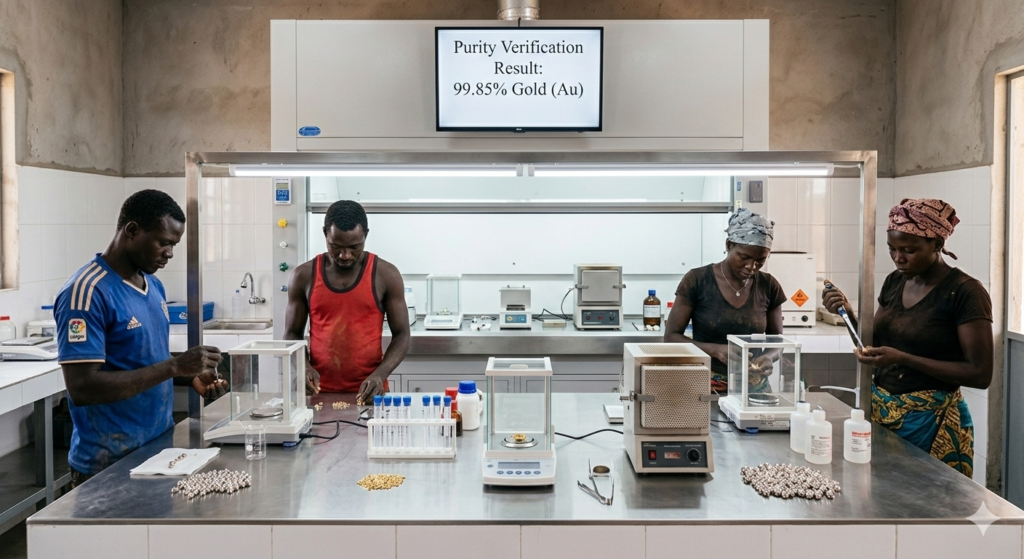
The process of buying gold from Africa involves several critical stages that impact both pricing and timeline. Africa Gold Reserve begins with procurement from verified sources, conducting initial assessments of gold concentrate or doré bars at local facilities. This is followed by rigorous testing and assay verification to establish precise purity levels, typically ranging from 92% to 96% for doré bars before refining.
Once quality is confirmed, the company manages all export documentation, including certificates of origin, export licenses, and compliance with the Kimberley Process and other international responsible sourcing frameworks. For shipments from South Sudan to UAE, Ghana to the United States, or South Africa to China, each route requires specific documentation and coordination with customs authorities in both origin and destination countries.
The export process includes secure transportation to international airports, coordination with armored courier services, and comprehensive insurance coverage. Throughout this process, transparent communication keeps buyers informed of shipment status, documentation progress, and expected delivery timelines. This structured approach reduces the risks that often accompany international gold trading and provides buyers with confidence in their transactions.
Global Demand
International demand for African gold remains robust across multiple regions. The UAE continues to serve as a major hub for gold refining and re-export, attracting significant volumes from African producers. The United States market demands gold that meets strict compliance standards, particularly regarding conflict-free sourcing and environmental responsibility. China’s refining sector maintains steady appetite for African gold, while European buyers increasingly emphasize ESG (Environmental, Social, and Governance) criteria in their sourcing decisions.
This diverse client base across the Middle East, Asia, Europe, and North America means that African gold exporters must maintain flexibility in meeting different market requirements. Some buyers prioritize volume and consistent supply, while others focus on specific purity standards or documentation requirements. Understanding these varying needs allows exporters to match supply with demand efficiently.
The global gold market’s fundamental dynamics remain unchanged: gold trades as a universal commodity with pricing tied to international benchmarks. However, the value proposition for buying gold from Africa lies in access to primary production sources, the ability to verify origin, and working with partners who can navigate the complexities of African export environments while delivering to international standards.
Why Buyers Work with Africa Gold Reserve
International buyers, refineries, and institutional investors choose to work with Africa Gold Reserve for reasons that extend beyond pricing considerations. The company’s decade of operational experience across multiple African jurisdictions provides a depth of local knowledge that newer market entrants cannot replicate. This experience translates into smoother transactions, fewer complications, and reliable execution.
As a trusted gold exporter, Africa Gold Reserve maintains established relationships with local mining communities, government authorities, and international logistics providers. These relationships facilitate access to consistent supply while ensuring compliance with evolving regulatory requirements. The company’s physical presence in operational regions means on-the-ground verification of sources and production, rather than reliance on third-party claims.
Buyers also value the company’s commitment to transparency throughout the trading process. From initial inquiry through final delivery, clients receive clear communication about pricing structures, quality assessments, documentation requirements, and shipment tracking. This professionalism, combined with adherence to international trading standards, positions Africa Gold Reserve as a reliable partner for long-term supply relationships rather than transactional dealings.
Conclusion
The question of whether gold in Africa is cheaper cannot be answered with a simple yes or no. Gold trades at global benchmark prices, but African markets offer distinct advantages for buyers who partner with experienced exporters who understand local dynamics. These advantages include direct access to primary sources, competitive operational structures, and the ability to verify origin and quality through established local networks.
For commodity traders, refineries, and institutional investors seeking to buy gold from Africa, the critical factor is not finding the lowest possible price, but rather working with a partner who can deliver consistent quality, regulatory compliance, and reliable execution at competitive market rates. Africa Gold Reserve’s operations across Ghana, South Africa, South Sudan, and its export relationships spanning the UAE, United States, China, Europe, and Asia demonstrate the capacity to serve international buyers with professionalism and integrity.
International buyers interested in establishing supply relationships or learning more about African gold sourcing are invited to connect with Africa Gold Reserve through africagoldreserve.com or by contacting sales@africagoldreserve.com. The company’s team stands ready to discuss specific requirements, provide current market information, and structure transactions that meet both buyer needs and international compliance standards.
Website: africa-gold.com
Email: sales@africa-gold.com