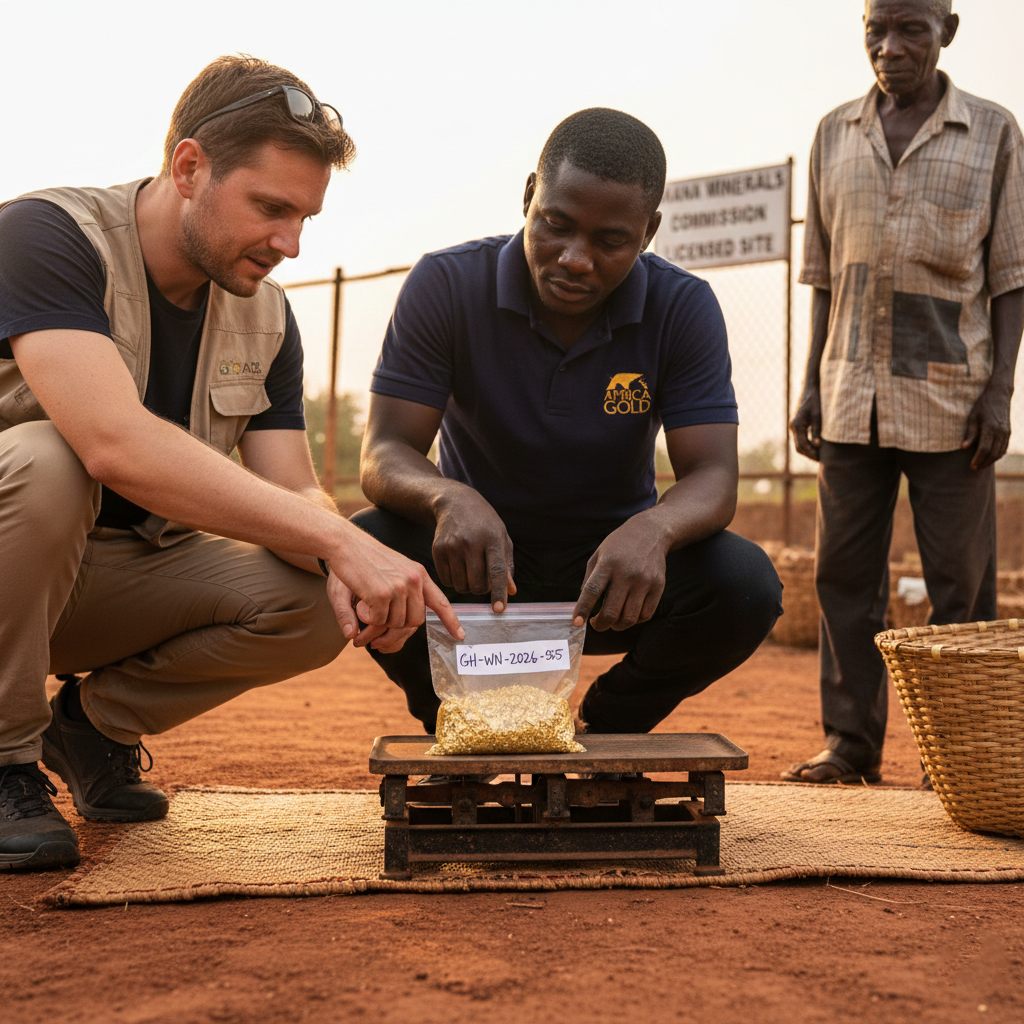
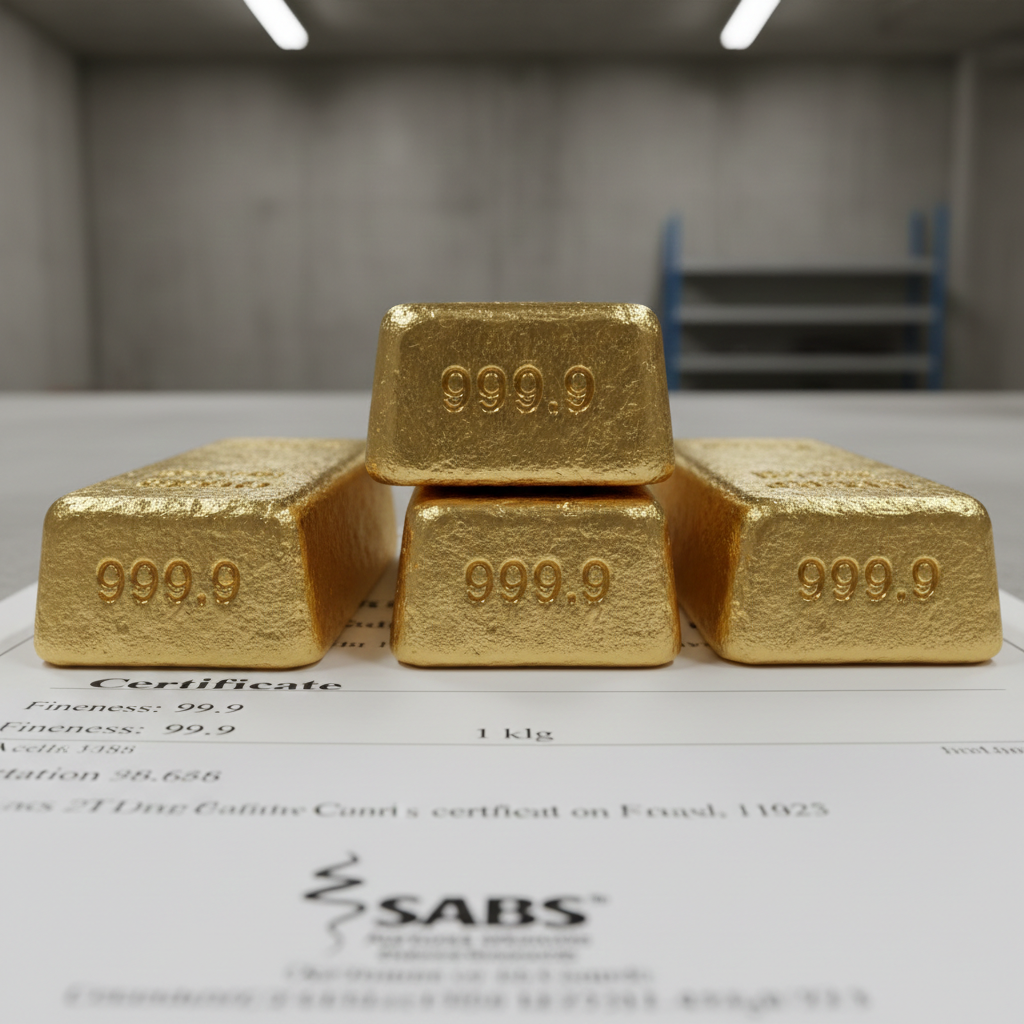

The Basics of Gold Assaying and Certification
Gold assaying determines precise purity through scientific measurement—not visual estimation. This certification forms the foundation of legal export and refinery acceptance across African markets. Material lacking accredited assay results cannot clear customs regardless of apparent quality. Understanding assaying fundamentals protects buyers from documentation gaps that trigger shipment rejection.
Fire Assay: The Export Standard
Fire assay remains the internationally recognized method for export-bound gold. The process involves:
- Fusion of material with lead oxide at 1,100 degrees Celsius
- Cupellation to separate base metals from precious metals
- Parting with nitric acid to isolate pure gold
- Precise weighing to calculate fineness to four decimal places
This destructive testing method provides accuracy within 0.5 percent—sufficient for commercial transactions. Portable XRF analyzers offer only preliminary screening with 2 to 5 percent margin of error; they cannot substitute for fire assay in export documentation.
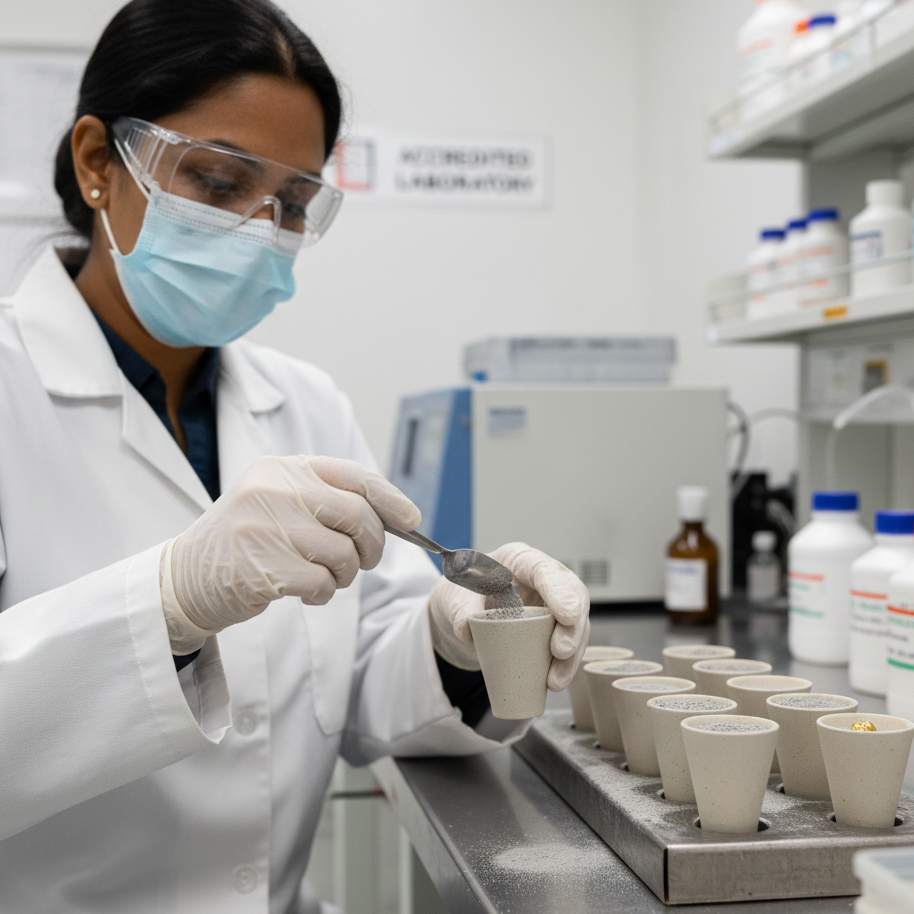
Image: Fire assay technician preparing sample crucible at accredited laboratory
Accredited Laboratory Requirements
African nations mandate certification from government-accredited facilities:
- Ghana: Only PMMC-approved laboratories in Accra and Kumasi may issue export-valid certificates
- South Africa: SABS-registered laboratories conduct fire assay with mandatory accreditation numbers on certificates
- South Sudan: Increasingly utilizes mobile assay units operated by accredited technicians or Dubai-linked facilities with international recognition
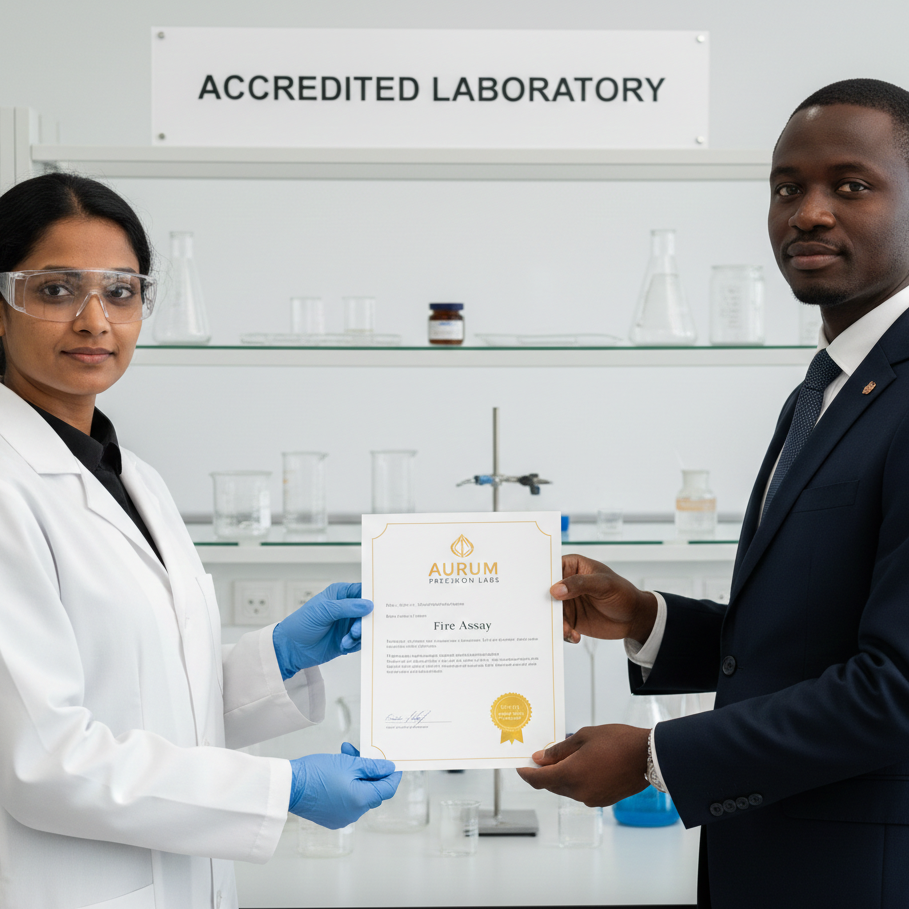
Certificates must display laboratory accreditation numbers, precise weight in troy ounces, fineness percentage, unique batch identifiers, and authorized signatures. Generic certificates without accreditation details lack export validity.

Government Verification Process
National authorities physically inspect material against assay certificates before issuing export permits:
- Ghana’s PMMC officials compare physical bars or granules to documented weight and purity at verification centers
- South Africa’s SADPMR conducts side-by-side checks before permit approval, with SARS customs performing secondary verification at OR Tambo Airport
- South Sudan’s dual ministry system requires Mining and Finance officials to jointly inspect material against certificates
Discrepancies between certificate claims and physical material halt the export process immediately. This dual checkpoint ensures certificates match reality.

Image: PMMC official comparing physical gold sample to assay certificate at Accra verification center
Why Certification Timing Matters
Reputable exporters complete assay certification before requesting buyer payment. This sequencing protects buyers from funding material that may fail purity verification or lack proper accreditation. Red flag transactions reverse this order—requesting payment before assay completion—creating exposure to misrepresented grades or non-exportable material.
Certification and Refinery Acceptance
International refineries reject shipments with unaccredited certificates regardless of actual purity. LBMA Responsible Gold Guidance requires verifiable testing from recognized laboratories. Dubai, Shanghai, and Zurich facilities maintain lists of accepted accreditation bodies—PMMC and SABS certifications feature prominently, while uncertified results face automatic quarantine.
Since 2015, AFRICA GOLD has maintained direct relationships with accredited laboratories across Ghana, South Africa, and South Sudan from its South African headquarters, with coordination support from the United Kingdom. Field teams transport material directly to approved facilities, remain present during testing to prevent sample substitution, receive certified results before payment requests, and share documentation with buyers prior to shipment—ensuring every consignment carries refinery-accepted certification.
Assay certification transforms gold from raw material into legally exportable asset. Partner with an exporter who uses accredited laboratories exclusively, completes testing before payment requests, and provides certificates with visible accreditation numbers—not preliminary screenings or uncertified results.
africa-gold.com
sales@africa-gold.comafrica-gold.com
sales@africa-gold.com