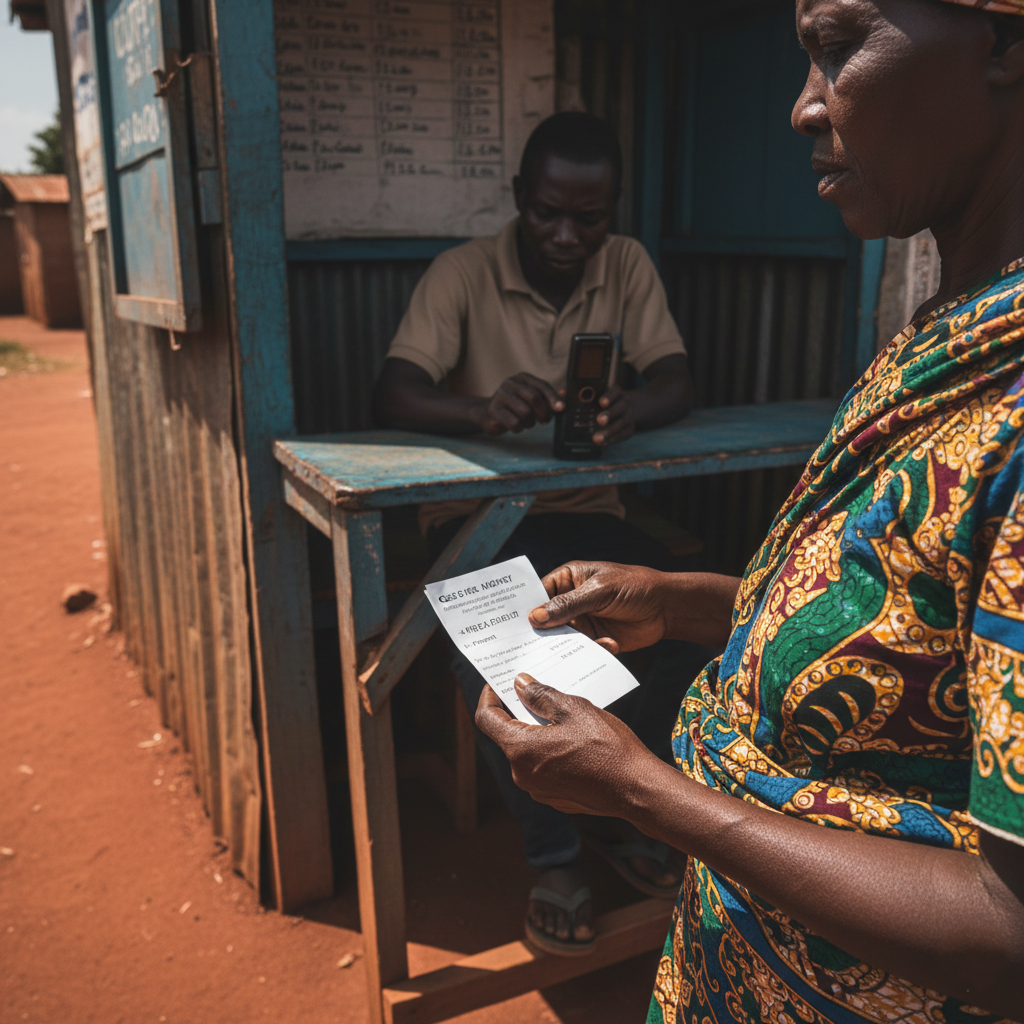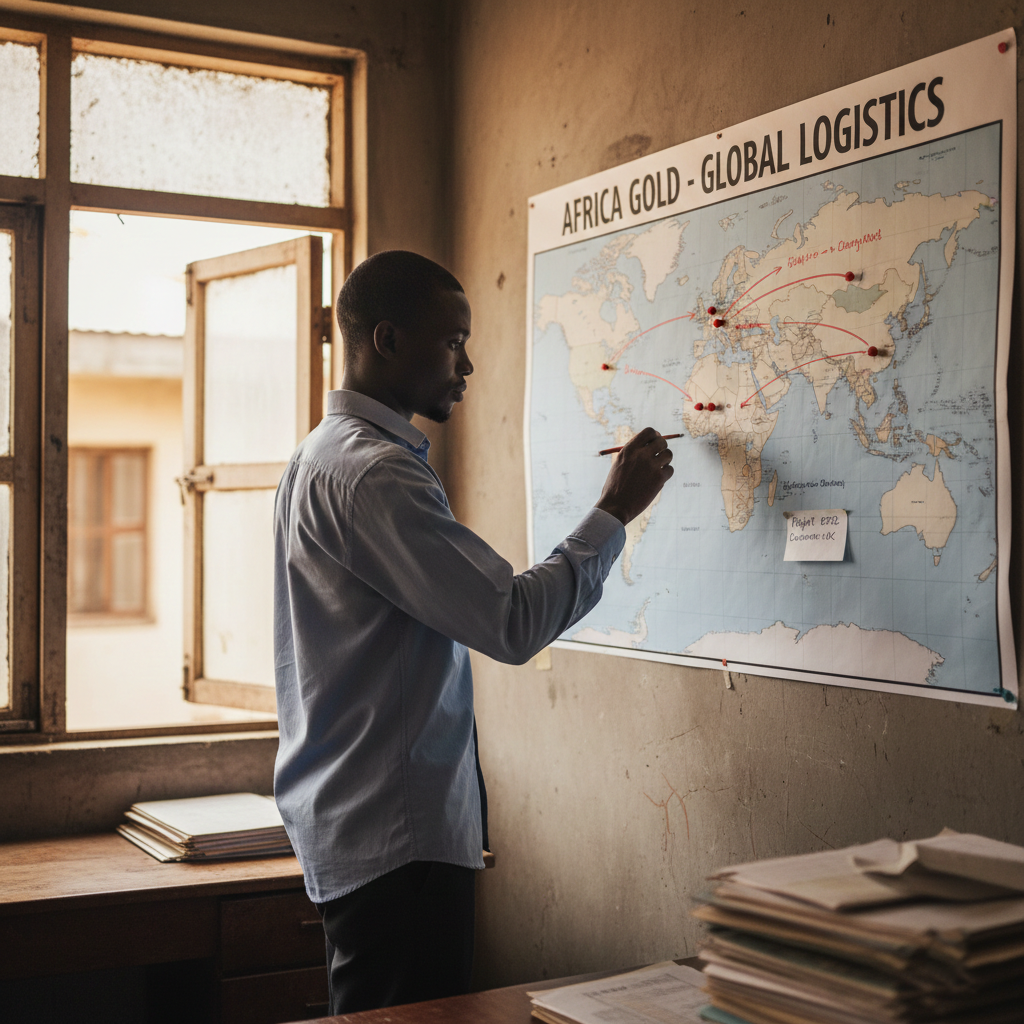

The economics of gold mining in Africa are not driven by corporate balance sheets but by individual survival, community resilience, and national development. Over 12 million people across the continent depend on artisanal and small-scale mining (ASM) for livelihoods, producing more than 20% of the world’s gold. Yet their economic reality is one of narrow margins, high risk, and fragile formalization. AFRICA GOLD’s role is not to mine but to integrate these producers into legal, profitable supply chains that uplift entire economies.
Microeconomics: The Miner’s Equation
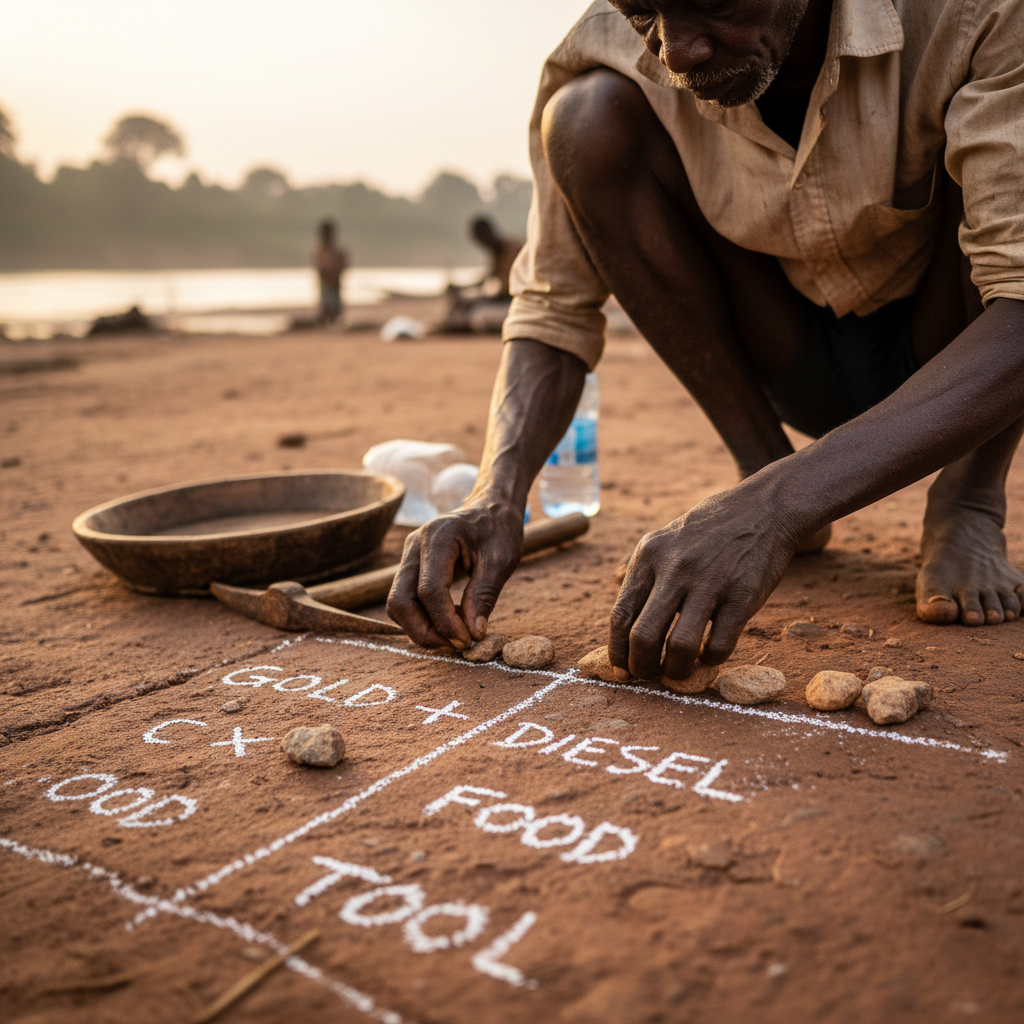
For an artisanal miner in Ghana or South Sudan, profit is simple but precarious:
Revenue = (Grams extracted × LBMA price) – (Fuel + Tools + Food + Permit fees)
A good day yields 2–5 grams; a bad week yields nothing. Without formal buyers, miners sell to illicit traders at 30–50% discounts. Licensed dealers like AFRICA GOLD pay fair prices enabling reinvestment in safety, tools, and family needs.
Macroeconomics: National Revenue and Formalization
When miners sell through licensed channels:
- Governments collect export duties and royalties
- Central banks gain accurate trade data
- Illicit financial flows decline
In 2025, Ghana’s formal gold exports exceeded $6.8 billion up 40% since 2020 due to dealer-led formalization. South Sudan, though nascent, generated over $220 million in verified mineral revenue in 2025 much from Eastern Equatoria cooperatives.
The Cost of Informality
Unlicensed mining leads to:
- Lost tax revenue (estimated $1–2 billion/year across Africa)
- Environmental damage from unregulated mercury use
- Vulnerability to exploitation by armed groups
Formalization reverses this not through enforcement alone, but through economic inclusion.
Why Buyers Influence This Economy
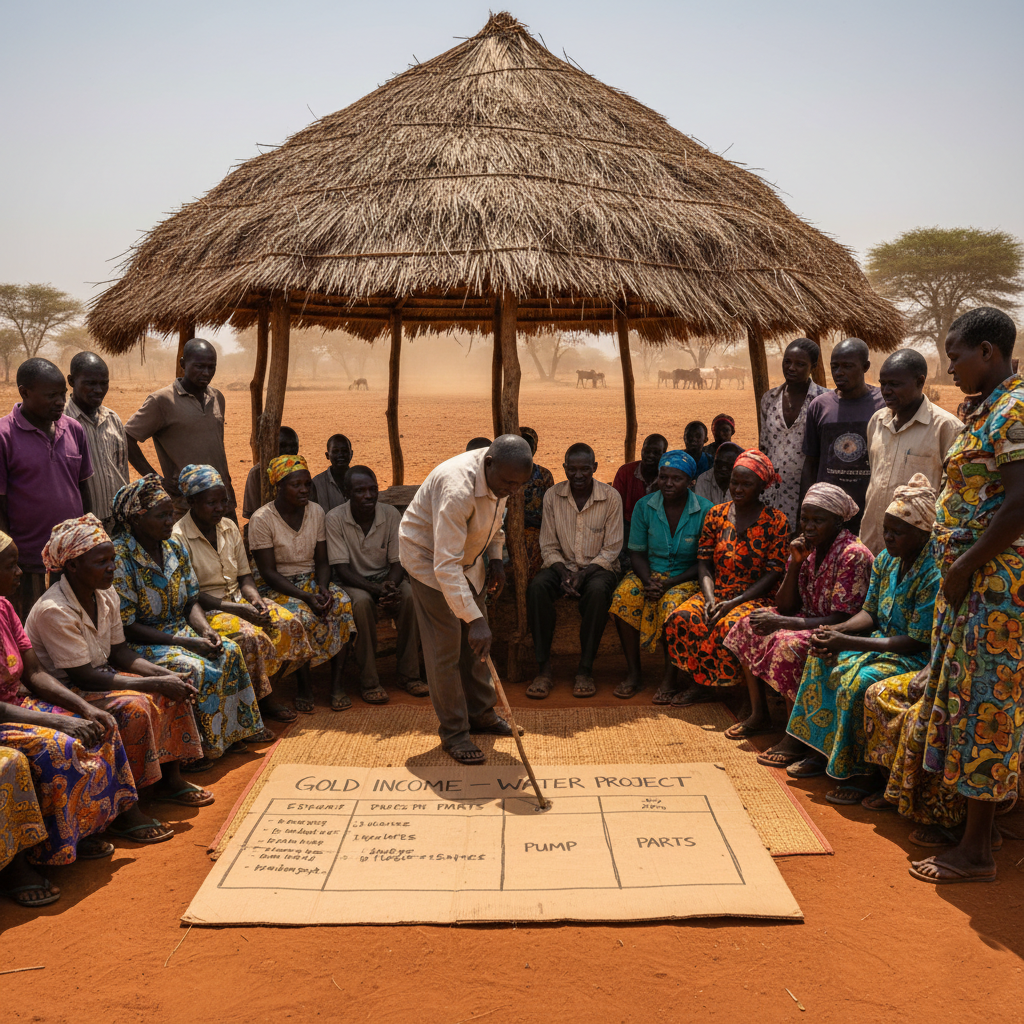
Every compliant purchase strengthens the formal system. When international buyers demand legally sourced gold, they create market pull that lifts miners out of informality. AFRICA GOLD channels this demand into real-world impact proving that ethical trade and economic logic can align.
Conclusion
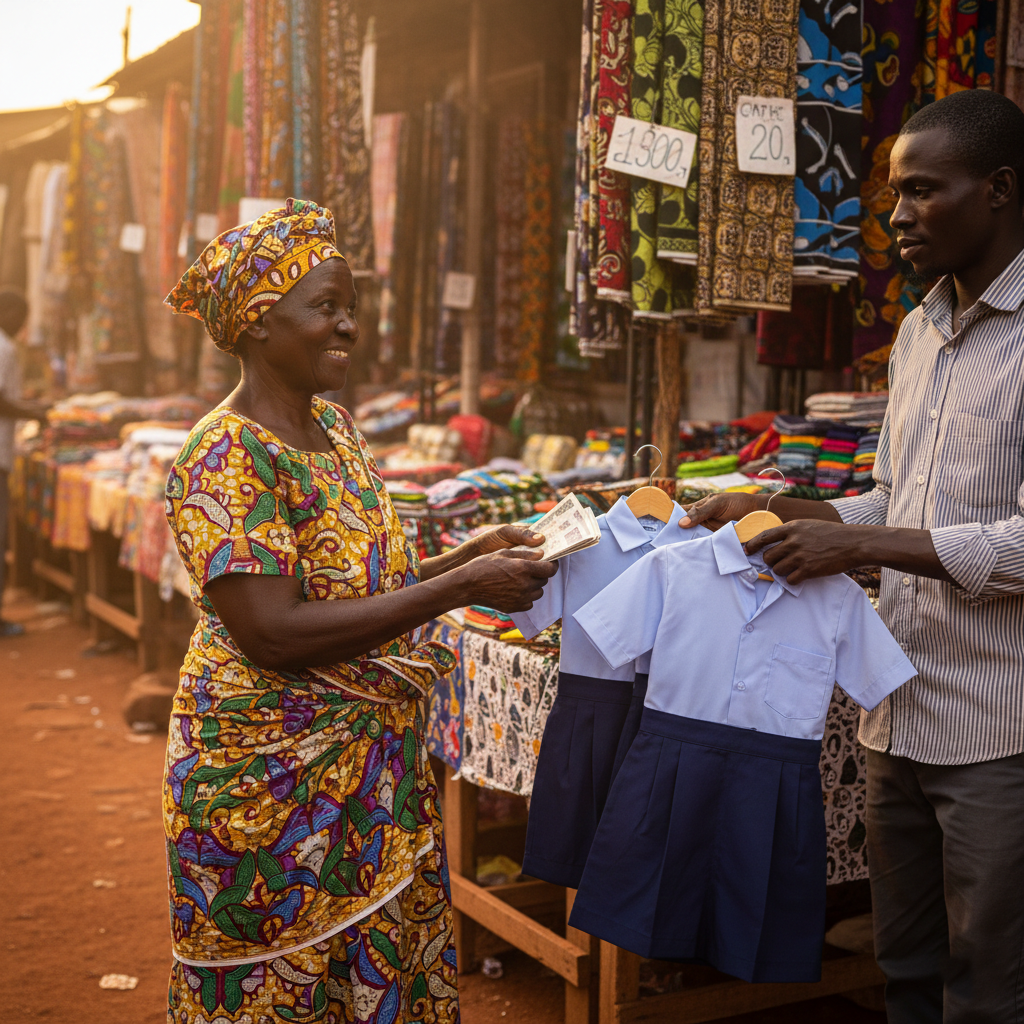
The economics of African gold mining are human-scale: a miner’s chalk tally, a mother’s school purchase, a village’s water project. By supporting licensed dealers and rejecting opaque supply, global buyers don’t just secure gold they help build resilient, transparent economies where every gram contributes to shared prosperity.
africa-gold.com
sales@africa-gold.com