


The future of gold export from Africa is not speculative it is being built daily through formalization, professionalization, and technological pragmatism. As global demand for responsibly sourced physical gold grows, African nations are transforming artisanal activity into structured, compliant supply chains. This evolution is not about replacing tradition with technology, but about embedding accountability into existing systems. The result is a more transparent, reliable, and bankable African gold market that meets the world’s highest standards.
Formalization as the Driving Force
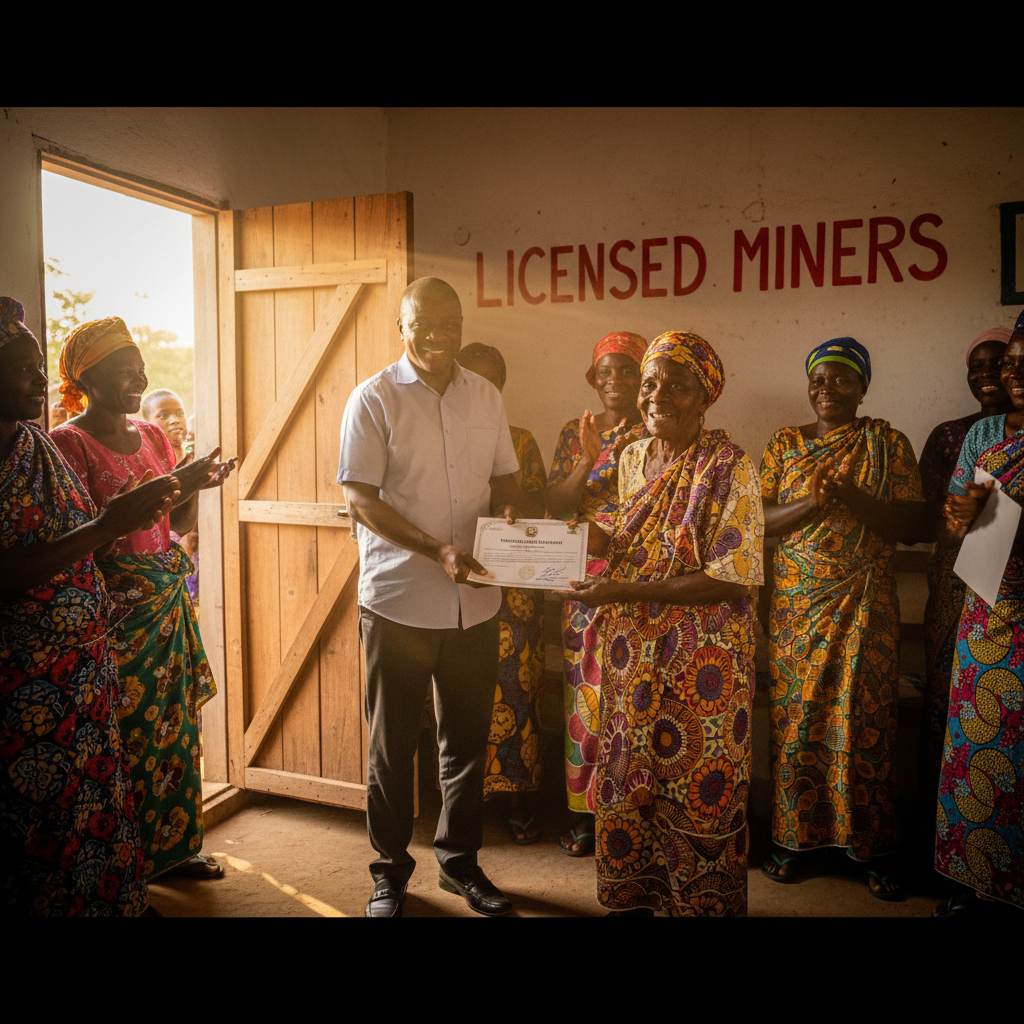
Governments across the continent are accelerating efforts to bring small-scale mining into the legal economy. Ghana’s Minerals Commission continues expanding licensing in Ashanti and Western North. South Africa’s SADPMR is tightening oversight of artisanal cooperatives. South Sudan’s dual ministry system is gaining traction in Equatoria. These frameworks do more than collect revenue they create traceable pathways that satisfy global ESG mandates. For international buyers, this means African gold is becoming easier to verify, not harder.
Professional Exporters as System Builders
The real architects of this future are not governments alone, but professional exporters who operate within these frameworks. Companies like AFRICA GOLD invest in local teams, maintain active licenses, and manage end-to-end workflows from mine verification to airport handover. They train field officers in due diligence, partner with accredited labs, and align documentation with refinery requirements. By doing so, they turn fragmented artisanal output into consistent, compliant supply. This operational discipline is what global markets reward.
Technology That Serves, Not Distracts
The future won’t be driven by blockchain or AI but by practical tools that enhance, not replace, human judgment. Expect wider use of:
- Portable XRF analyzers for field screening
- Solar-powered mobile labs in remote zones
- Encrypted messaging for secure communication
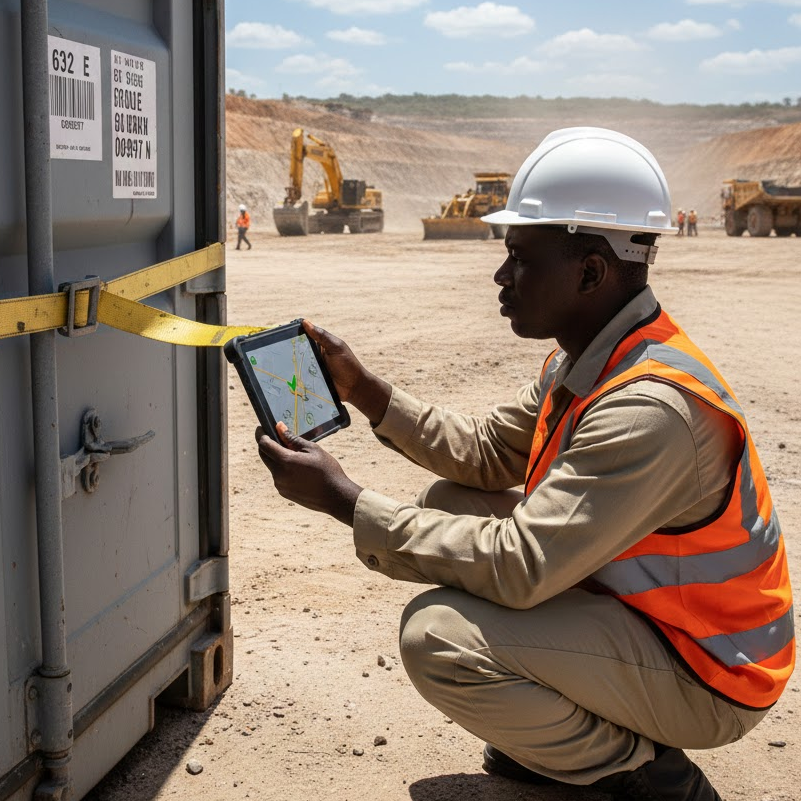
- Basic GPS trackers for overland transport
But the core will remain analog: handwritten logs, face-to-face verification, and tamper-evident seals. Digital tools will supplement—not supplant—the human chain of trust.
Integration into Global Value Chains
As compliance improves, African gold will move beyond raw export to value-added processing. Local refineries in Ghana and South Africa are already producing LBMA-certified bars. In time, more African nations may mint their own investment-grade bullion, capturing greater value domestically. Yet even in this future, the foundation remains the same: legally sourced material, verified purity, and documented provenance.
Conclusion
The future of African gold export is one of quiet confidence—not hype. It is being built by licensed miners, trained technicians, and professional exporters who understand that trust is earned through consistent action. For international buyers, this means access to a supply source that is not only abundant but increasingly reliable. In the years ahead, African gold will not just flow to the world—it will help define what responsible physical supply looks like.
africa-gold.com
sales@africa-gold.com