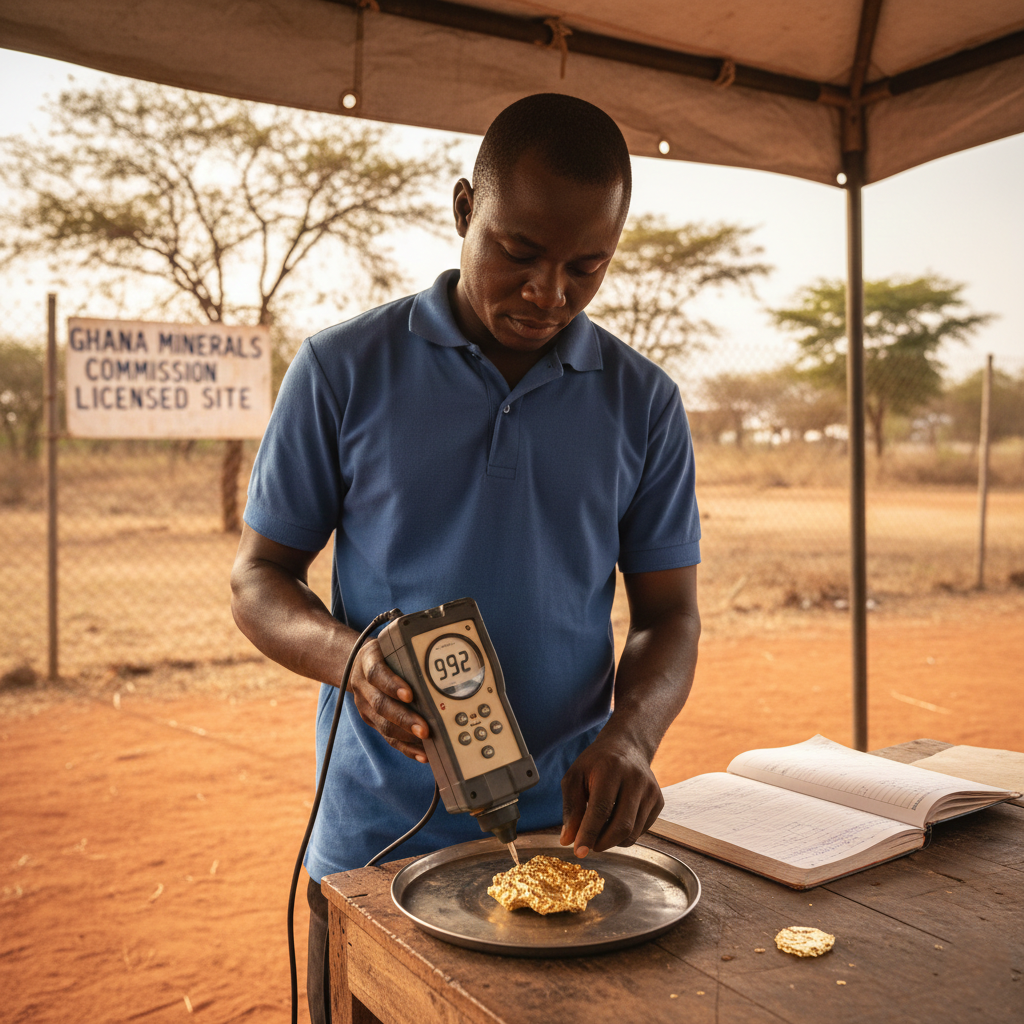

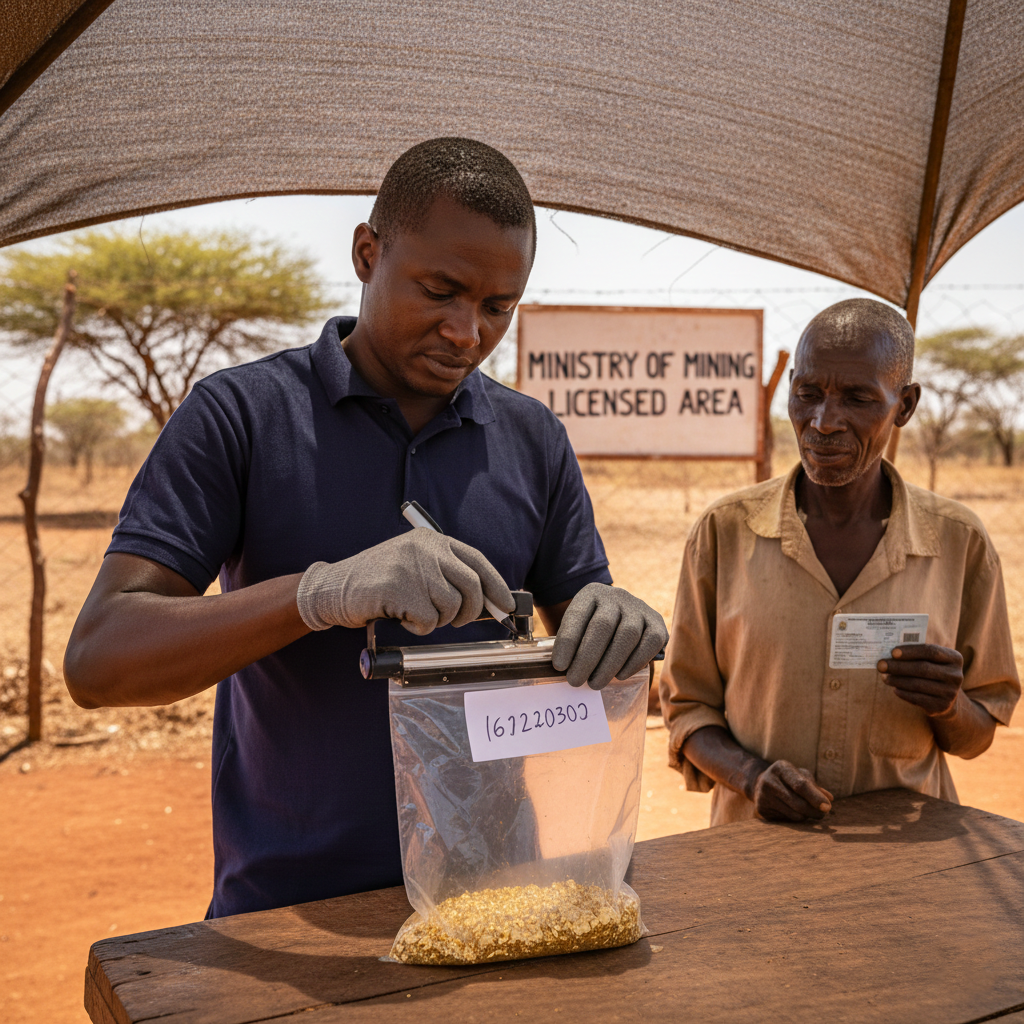
In gold trading, chain of custody is not optional it is the backbone of legal, ethical, and bankable supply. It is the unbroken sequence of verified handovers that proves gold originated from a licensed source, was tested by an accredited lab, and moved through secure channels to its final destination. Without it, even the purest gold becomes suspect. With it, African gold earns global trust. For international buyers, understanding and demanding this chain is the difference between risk and reliability.
What Chain of Custody Actually Means
Chain of custody begins the moment gold leaves a licensed miner’s hands and ends only when it clears refinery intake. At every transfer miner to exporter, exporter to lab, lab to airport, airport to airline documentation must link physical material to its origin. This includes:
- Miner registration ID and GPS coordinates
- Unique serial number on sealed sample bag
- Assay certificate matching that serial number
- Export permit referencing the same batch
- Air waybill showing seal integrity
Any break missing signature, mismatched number, unverified handler invalidates the entire chain.

Why Refineries Demand Unbroken Chains
Global refineries operate under LBMA and OECD frameworks that require documented provenance. They reject shipments with gaps because:
- They cannot prove the gold is conflict-free
- They risk regulatory penalties or blacklisting
- They cannot insure undocumented material
A broken chain means the gold could be illicit even if purity is perfect. Professional exporters like AFRICA GOLD ensure every handover is recorded, photographed, and logged, creating a paper trail that satisfies even the strictest refinery.
How African Exporters Maintain the Chain
In practice, maintaining custody means:
- No subcontracting: Only direct employees handle material
- On-site sealing: Bags are sealed where gold is acquired
- Physical logs: Every transfer is signed in bound notebooks
- Photo evidence: Seal numbers are photographed at each stage
- No blind transit: Material never moves without oversight
This discipline turns fragmented artisanal output into traceable, compliant supply.

Common Breaks That Destroy Value
Even small oversights can break the chain:
- Using generic sample bags without unique IDs
- Allowing third parties to transport unsealed material
- Failing to photograph seals at handover points
- Mismatching weights between documents
These errors seem minor but they render gold unbankable.
Conclusion
Chain of custody transforms African gold from raw metal into a trusted global asset. It is not paperwork it is proof. Buyers who demand complete, verifiable chains protect themselves from fraud, rejection, and reputational harm. With the right partner, every gram of African gold carries a story that can be traced, verified, and trusted from mine to market.
africa-gold.com
sales@africa-gold.com