

The Rise of African Gold in Global Commodity Markets

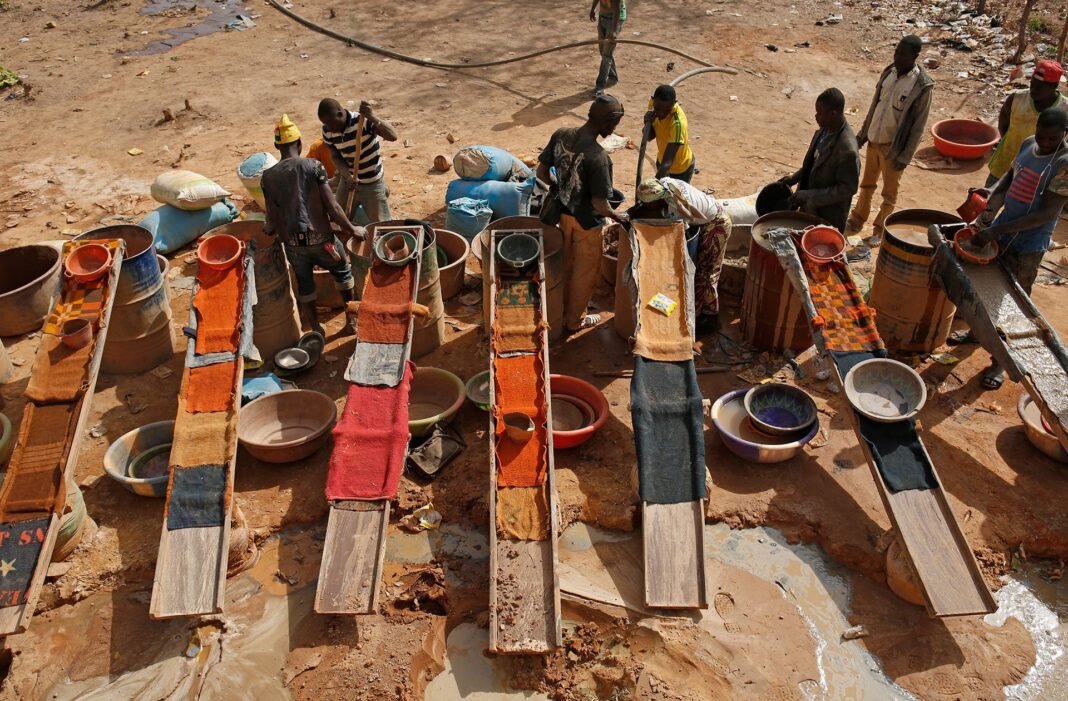
African gold production has expanded steadily over the past decade, with the continent now contributing approximately one-fifth of annual global supply. This growth reflects not only new discoveries and expanded mining operations but also the formalization of artisanal production channels that historically operated outside regulated trade flows. As international markets place increasing emphasis on supply chain transparency and ethical sourcing, Africa’s gold sector is undergoing structural changes that position it as a more integrated participant in global commodity markets. For buyers and investors, understanding these developments is essential to evaluating both opportunity and risk in African gold procurement.
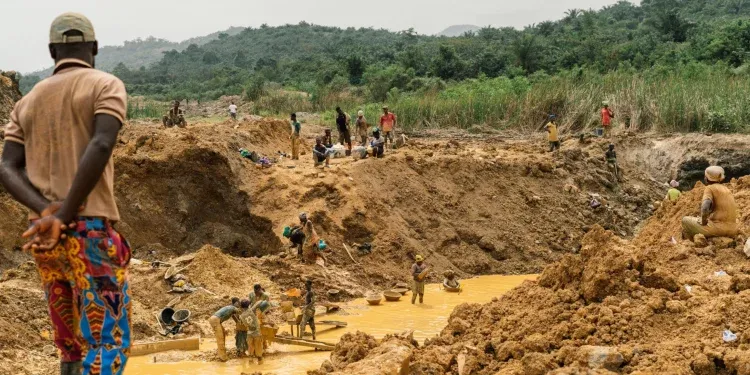
The global gold market has traditionally centered on established producers such as Australia, Russia, and China. Africa’s role was often characterized as fragmented, with significant volumes moving through informal channels that complicated traceability. Recent shifts in regulatory enforcement, particularly in West and East Africa, have altered this dynamic. Countries including Ghana, Mali, and Tanzania have strengthened export controls and mandated government verification of all gold leaving national borders. These measures, while initially disruptive to informal trade, have created conditions for legitimate exporters to scale operations with verifiable documentation—a prerequisite for access to major international refining centers and financial markets.
Production profiles vary significantly across Africa’s key gold jurisdictions. Ghana maintains a dual structure of industrial mines and regulated small-scale operations, with exports exceeding 130 metric tons annually. South Africa’s output has declined from historical peaks but remains substantial through deep-level operations concentrated in the Witwatersrand Basin. South Sudan represents an emerging producer where artisanal mining dominates, with formalization efforts gradually increasing the volume moving through licensed export channels. Each market presents distinct characteristics: Ghana offers regulatory predictability, South Africa provides high-volume industrial supply, and South Sudan presents growth potential as formalization progresses.

AFRICA GOLD has operated within this evolving landscape since 2015, establishing procurement networks across Ghana, South Africa, and South Sudan. The company’s strategy emphasizes direct engagement with licensed producers rather than speculative trading, maintaining field offices in mining regions to oversee acquisition and verification processes. This operational model enables consistent supply while generating documentation packages that satisfy international due diligence standards. With headquarters in South Africa and a United Kingdom presence facilitating European market access, the company bridges African supply sources with global buyer requirements through established logistics channels.
The procurement workflow begins at the point of production. Field representatives verify mining licenses and land rights before evaluating material. Gold is then transported under dual supervision to government assay facilities—Ghana’s Precious Minerals Marketing Company laboratories, South Africa’s LBMA-certified refineries, or South Sudan’s ministry-approved testing centers. Official certification of purity and weight triggers the export permit application process through relevant mineral authorities. Upon approval, documentation packages including assay certificates, tax clearance verification, and export permits are compiled before insured transit to international departure points. This sequence ensures compliance with both national regulations and international standards such as the OECD Due Diligence Guidance.

Demand for African gold has diversified beyond traditional markets. The United Arab Emirates has become a primary destination for West and East African production, leveraging its refining capacity and position as a transshipment hub between African supply and Asian demand. United States buyers seek material meeting COMEX specifications, creating steady demand for Ghanaian and South African exports. Chinese refineries maintain consistent appetite for feedstock to support jewelry manufacturing and strategic reserve accumulation. European markets prioritize LBMA Good Delivery compliance, requiring meticulous documentation that African exporters with established procedures can reliably provide. These destination-specific requirements influence procurement strategies at source, making exporter expertise in certification protocols a decisive factor in market access.
Buyers select African gold suppliers based on three operational criteria: documentation integrity, supply consistency, and logistical reliability. AFRICA GOLD addresses these through permanent regional presence, direct relationships with licensed producers, and integrated export management. The company maintains visibility across the entire chain from acquisition to international departure, providing buyers with audit-ready documentation that satisfies compliance departments and facilitates smooth customs clearance. This operational transparency reduces settlement risk and eliminates specification disputes—factors that directly impact transaction costs and counterparty confidence in physical precious metals markets.

The trajectory of African gold in global markets will be determined by continued formalization. Governments recognize that structured export channels generate sustainable fiscal revenue while reducing illicit outflows. Exporters who invest in local compliance infrastructure and maintain transparent procurement practices position themselves as preferred partners for both regulatory authorities and international buyers. This alignment of commercial discipline with responsible mineral governance defines Africa’s evolving role in the global gold supply chain.

For commodity traders, refineries, and institutional investors evaluating exposure to African gold, verification of an exporter’s operational footprint provides greater assurance than transactional promises. Direct engagement with organizations demonstrating multi-jurisdictional experience, documented export history, and adherence to international due diligence standards establishes the foundation for reliable participation in this strategically important segment of the global gold market.
africa-gold.com
sales@africa-gold.com