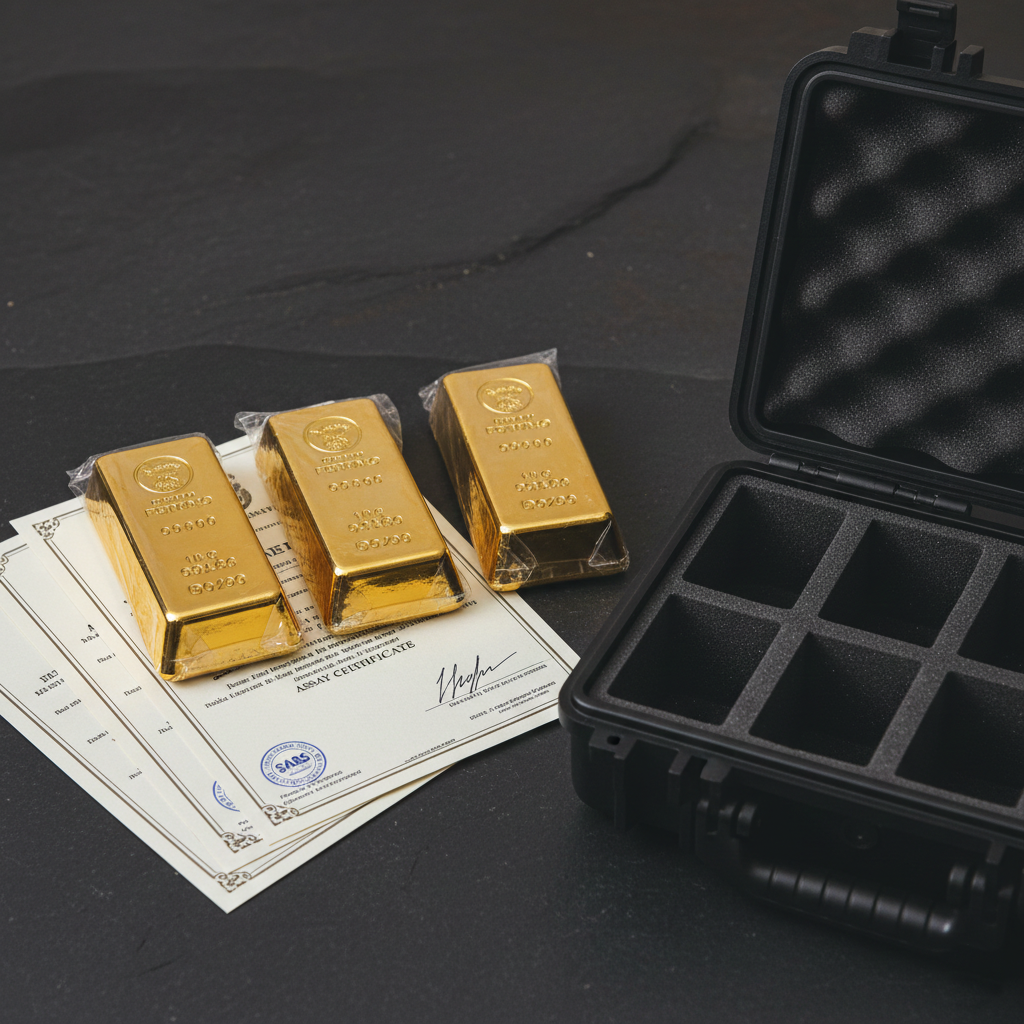

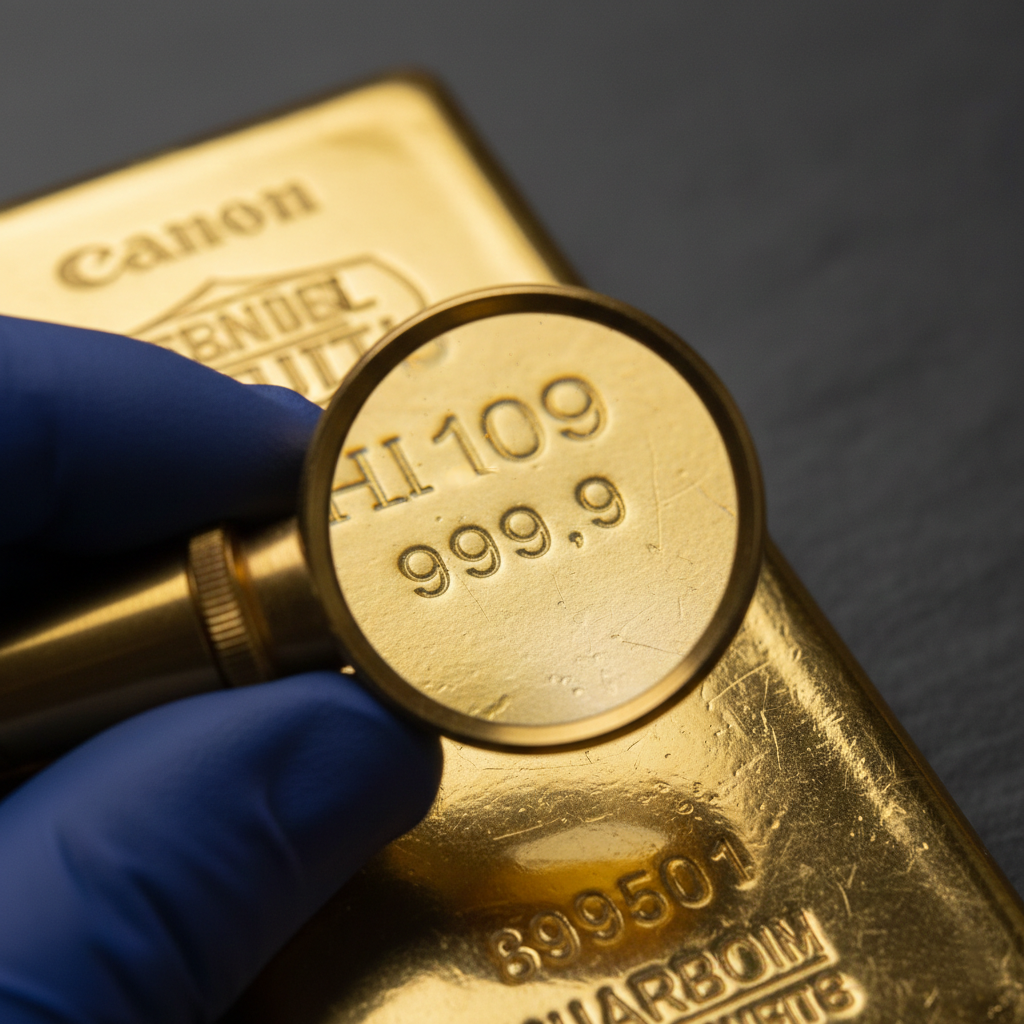
Gold purity is not assumed it is proven. In African gold trade, the difference between 995 and 999.9 fineness can mean acceptance or rejection at a refinery gate. Yet many buyers rely on visual inspection or verbal assurances, risking costly errors. The only reliable measure is an accredited assay report. This guide explains how purity is tested, what reports must include, and why international buyers must demand certified documentation not estimates.
Purity Is Measured in Parts Per Thousand
Gold fineness is expressed as parts per thousand. Pure gold is 1000, but commercial bars are typically 999.9 (99.99% pure). Even small impurities—silver, copper, or lead affect value and refinery acceptance. Crucially, you cannot see purity. A 995 bar looks identical to a 999.9 bar to the naked eye. Only scientific testing reveals the truth. This is why assay reports are non-negotiable in legitimate African exports.
Fire Assay vs XRF: Knowing the Difference
Two methods dominate African testing:
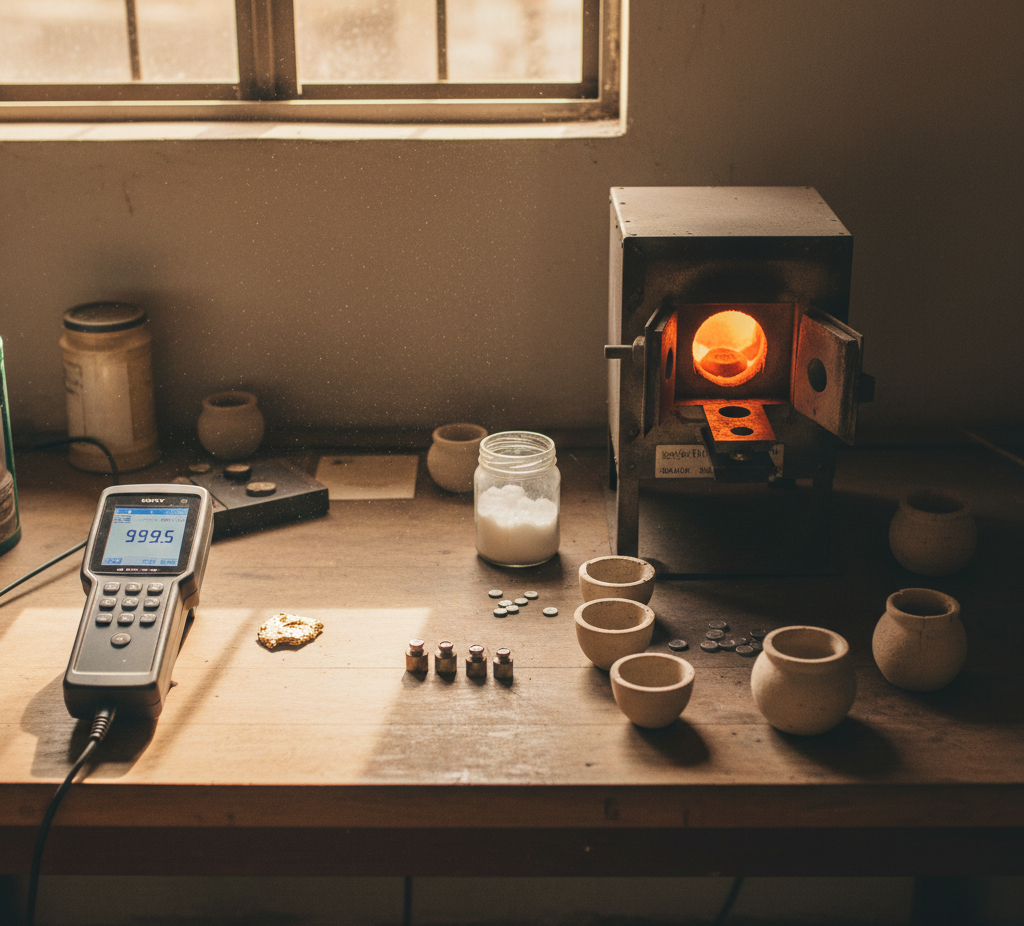
- XRF (X-ray fluorescence): Non-destructive, fast, ideal for field screening. But it only tests surface layers and can be fooled by plating or uneven surfaces.
- Fire assay: Destructive, slower, but definitive. It melts the sample to separate base metals, delivering exact bulk composition.
National regulators require fire assay for export certification. In Ghana, only PMMC-approved labs may issue valid certificates. In South Africa, SABS registration is mandatory. Buyers should accept XRF only for preliminary checks—never for final payment or export.
What a Valid Assay Report Must Include
A compliant report is more than a number. It must state:
- Exact weight in grams or troy ounces
- Fineness (e.g., 999.9)
- Unique serial number matching the physical bar
- Date of test
- Full laboratory name, address, and accreditation number (e.g., ISO/IEC 17025)
- Authorized signature or official stamp
Generic templates or unsigned PDFs are red flags. Refineries cross-check every detail. Mismatched serial numbers or missing accreditation trigger immediate rejection.
Why African Exporters Must Use Accredited Labs
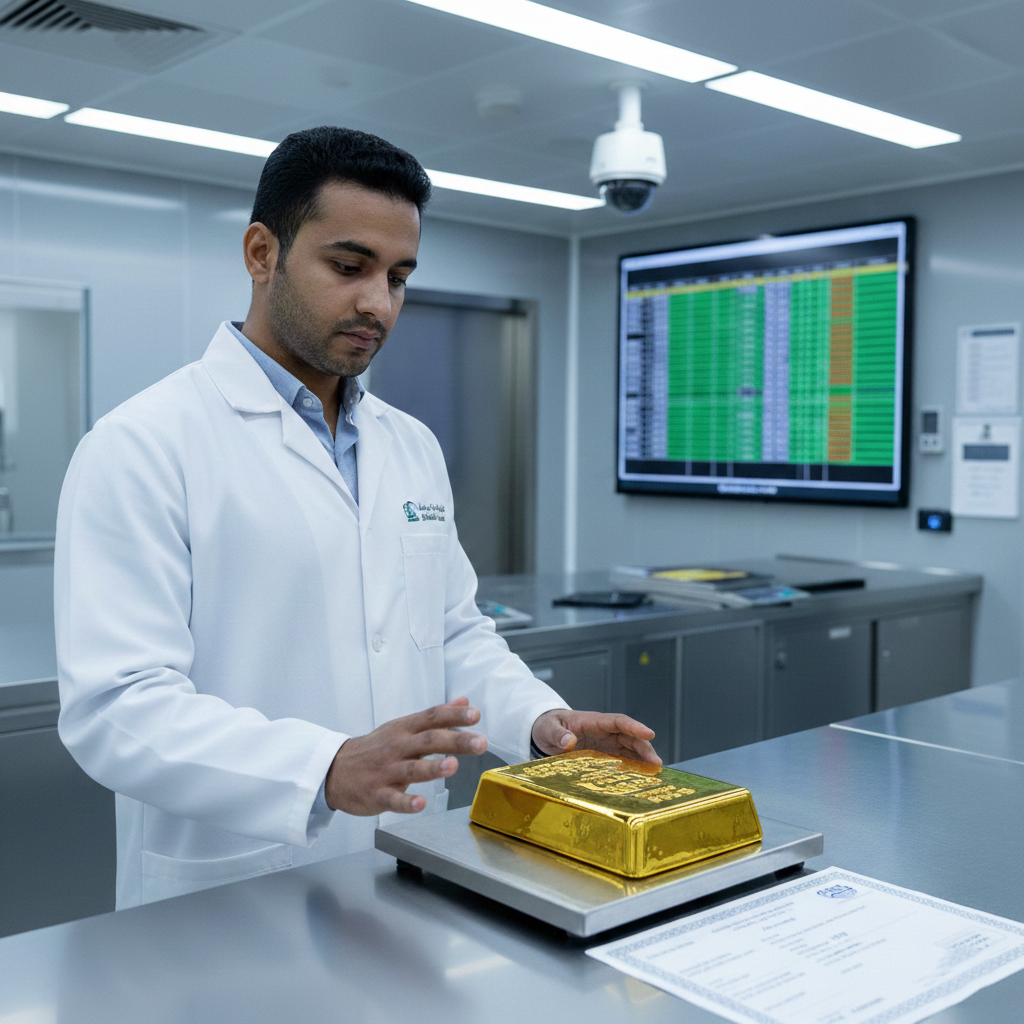
Unaccredited testers even skilled local assayers cannot produce refinery-acceptable reports. Only nationally recognized labs have the calibration, oversight, and legal standing to issue export-valid certificates. AFRICA GOLD uses only PMMC-approved labs in Ghana, SABS-registered facilities in South Africa, and ISO 17025-accredited units in South Sudan. This ensures every shipment clears intake on first attempt.
Conclusion
Gold purity is a scientific fact, not an opinion. In African trade, the assay report is the bridge between raw metal and global market acceptance. Buyers who demand accredited, detailed, and verifiable documentation protect themselves from fraud, rejection, and financial loss. When purity is proven not promised African gold earns its place in the world’s most demanding refineries.
africa-gold.com
sales@africa-gold.com