
Understanding the African Gold Necklace Trade: From Cultural Symbol to Compliant Supply Chain
Introduction
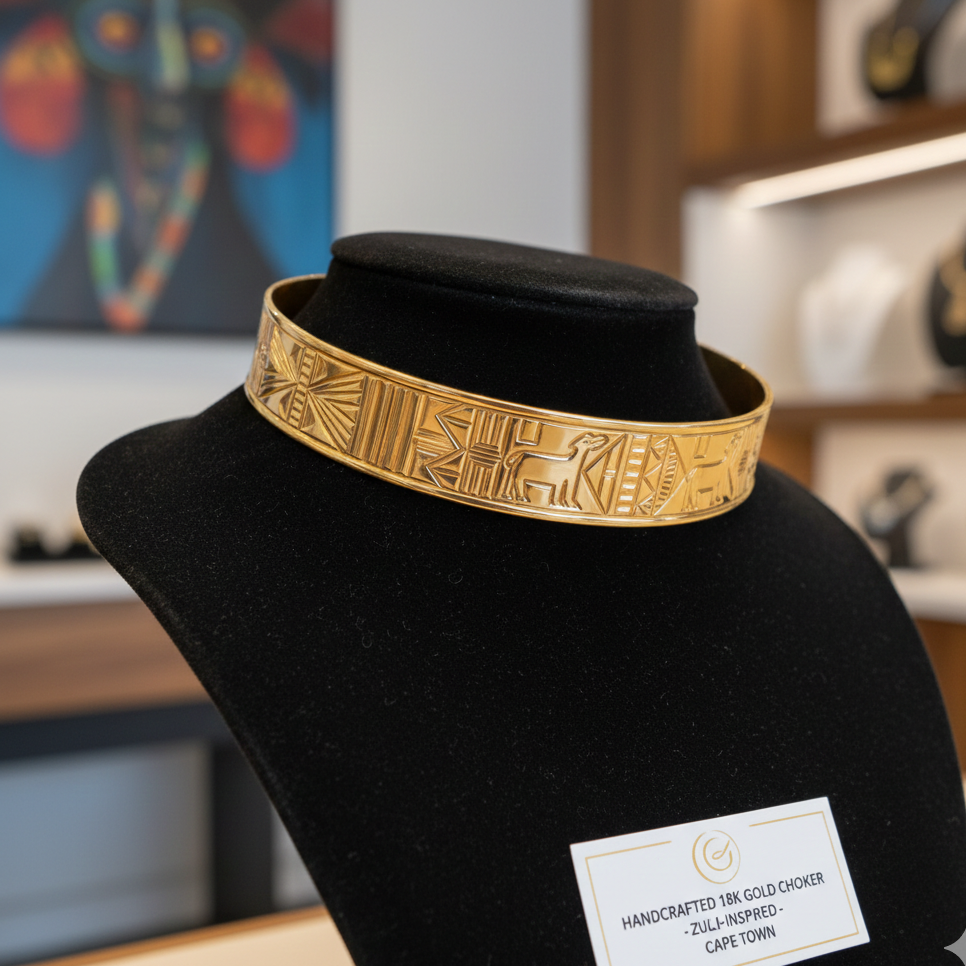
When international buyers search for an “Africa gold necklace,” they often encounter a blend of cultural artistry and commercial ambiguity. While gold necklaces inspired by African heritage are widely available—from Adinkra-symbol pendants in Accra to Zulu-bead-integrated designs in Johannesburg—the term can also signal interest in sourcing raw gold that may eventually feed into jewelry supply chains. For institutional buyers, refiners, and commodity traders, the critical distinction lies not in aesthetics, but in verifiable origin, ethical compliance, and traceability. This article clarifies the realities of African gold sourcing and explains how professional exporters like Africa Gold Reserve bridge artisanal production with global demand.
Industry Context
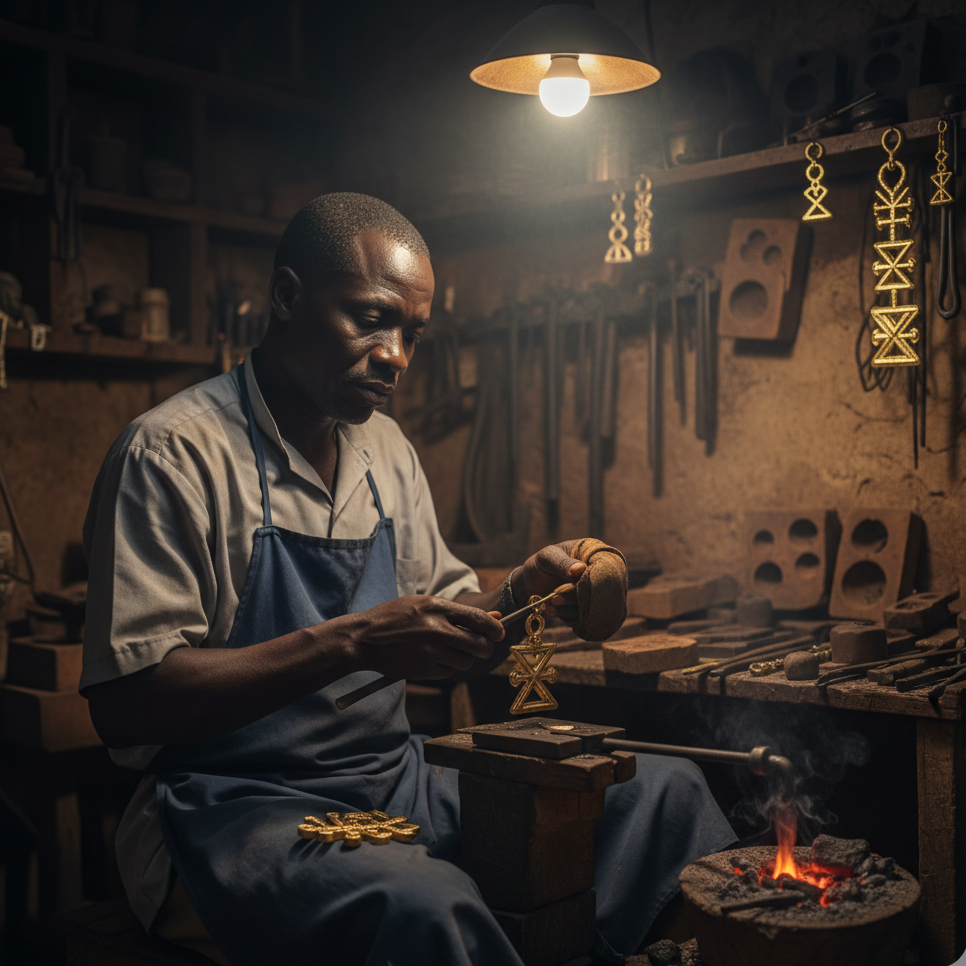
Africa produces nearly 25% of the world’s gold, with output split between large-scale industrial mines and formalized small-scale operations. While much of this gold flows into bullion bars or coins like the Krugerrand, a portion enters the jewelry sector—both locally and internationally. However, the journey from mine to necklace is complex. Informal mining, lack of documentation, and inconsistent regulatory enforcement have historically excluded African gold from premium jewelry supply chains, particularly in Europe and North America where OECD Due Diligence Guidance and LBMA Responsible Gold standards are mandatory.
Today, that is changing. Governments in Ghana, South Africa, and South Sudan are strengthening licensing, export controls, and artisanal formalization programs. This creates opportunities for compliant exporters to aggregate ethically sourced material—even from small-scale river panners—and deliver it to global refiners who supply certified gold to jewelry manufacturers.
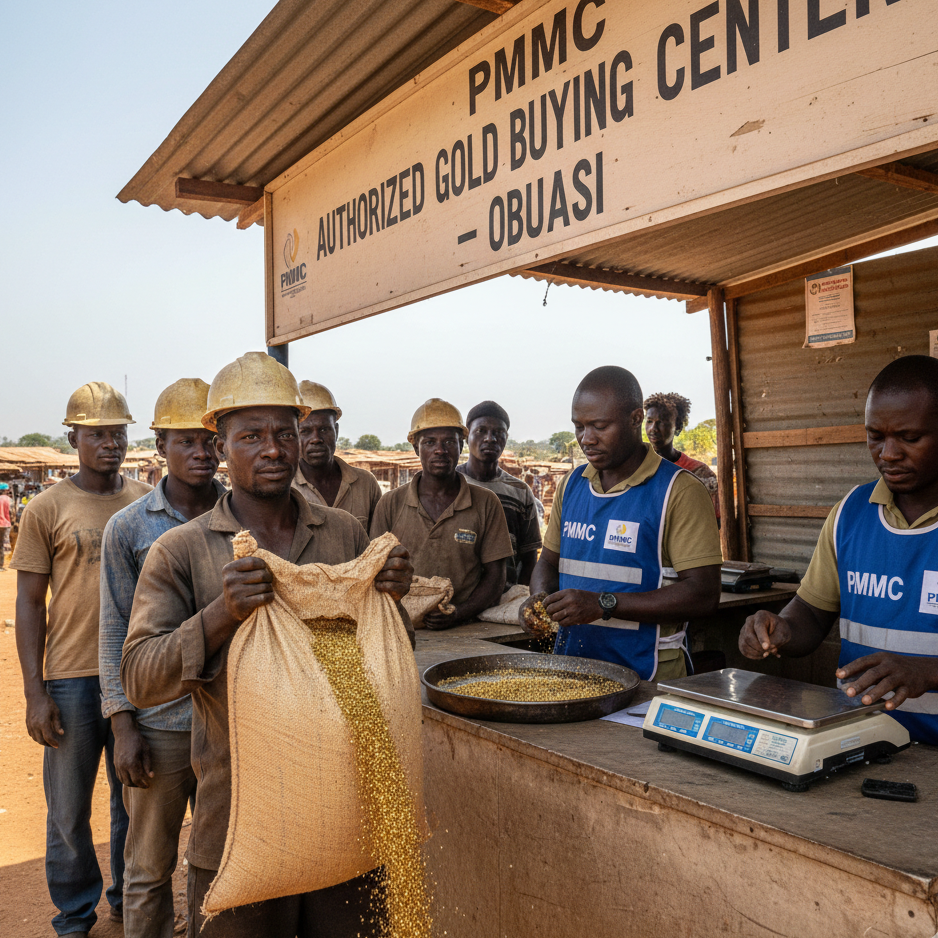
Image: Licensed small-scale miner delivering gold concentrate at a PMMC-authorized buying center in Obuasi
Regional Perspective
The viability of sourcing gold for jewelry-related use varies significantly by country:
- Ghana: Africa’s top gold producer, with a transparent gold export from Ghana system via the Precious Minerals Marketing Company (PMMC). Over 1,000 registered cooperatives ensure traceability from mine to export.
- South Africa: Home to deep-level mines and the Rand Refinery, the country remains a hub for high-purity gold. As a South Africa gold exporter, it offers infrastructure, regulatory maturity, and VAT-exempt Krugerrands—but artisanal gold requires careful vetting.
- South Sudan: An emerging frontier where new mining laws enable formal trade. Verified South Sudan gold suppliers are now entering compliant channels, though due diligence remains essential.
These jurisdictions form the backbone of ethical African gold supply—critical for brands seeking conflict-free, auditable material for necklaces, rings, and other fine jewelry.

Africa Gold Reserve’s Approach
Founded in 2015 and headquartered in South Africa, Africa Gold Reserve operates across four key regions: Ghana, South Africa, South Sudan, and the United Kingdom. The company does not manufacture jewelry or sell retail pendants. Instead, it focuses on the upstream segment: sourcing high-purity gold exclusively from:
- Licensed local mines
- Registered small-scale miners
- Government-authorized sellers
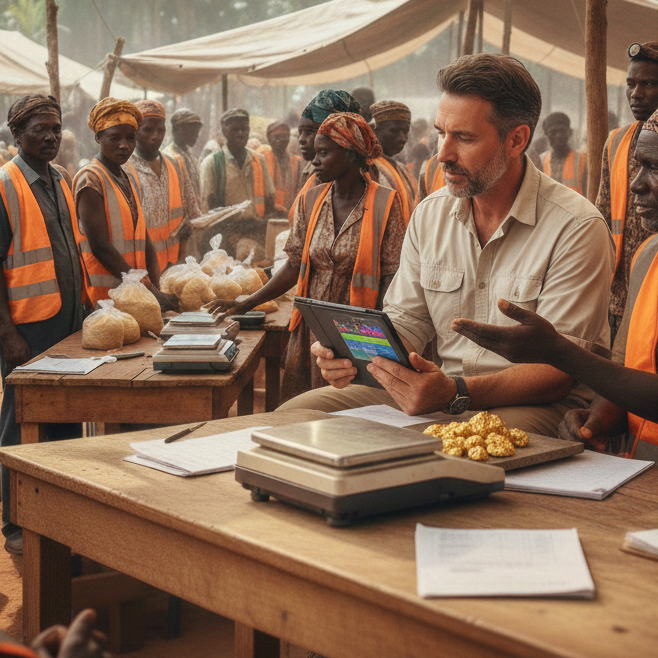
Every transaction undergoes rigorous verification: seller permits are validated, gold purity is tested on-site using calibrated XRF devices, and digital records are timestamped and GPS-tagged. This ensures full alignment with international standards—making the gold suitable not only for bullion but also for responsible jewelry production downstream.
Buying and Export Process
Africa Gold Reserve’s process is designed for institutional efficiency and compliance:
- Sourcing: Gold is acquired only from verified, licensed sources.
- Assaying: On-site purity verification followed by fire assay when required.
- Documentation: Digital chain-of-custody logs, export permits, and certificates of origin.
- Logistics: Secure, insured transport to international airports (e.g., Kotoka in Accra, O.R. Tambo in Johannesburg).
- Export: Shipment under standard trade terms (FOB, CIF) to destinations including the UAE, United States, China, Europe, Asia, and the Middle East.
Example routes include South Sudan to UAE, Ghana to the United States, and South Africa to China—all fully documented and audit-ready.
Global Demand
International demand for ethically sourced African gold is rising—driven by ESG mandates, consumer awareness, and regulatory pressure. Refineries in Dubai, Zurich, and New York increasingly require proof of legal origin and community benefit agreements. Jewelry brands, in turn, seek certified gold to meet sustainability claims.
This trend benefits compliant African gold exporters who can provide transparent supply. Buyers no longer need to choose between volume and integrity; with the right partner, they can access both.
Why Buyers Work with Africa Gold Reserve
Global clients choose Africa Gold Reserve because it is a trusted gold exporter with:
- Boots-on-the-ground presence in key producing regions
- Zero tolerance for unverified or informal supply
- Full documentation aligned with OECD and LBMA standards
- Direct access to diversified sources: gold export from Ghana, South Sudan gold suppliers, and South Africa gold exporters
The company does not engage in speculation, retail sales, or paper trading. It exists solely to facilitate secure, compliant physical gold transactions for serious buyers.

Conclusion
An “Africa gold necklace” may begin as a cultural symbol—but its gold must originate from a responsible source to meet modern market standards. For refiners, importers, and institutional investors looking to buy gold from Africa, the priority is not design, but due diligence. Partnering with a professional exporter like Africa Gold Reserve ensures access to ethically verified, traceable gold from the continent’s most strategic and compliant jurisdictions.
Website: africa-gold.com
Email: sales@africa-gold.com