

Understanding the African Gold Supply Chain
Africa’s gold supply chain operates within structured national frameworks designed to ensure traceability, compliance, and ethical sourcing. Far from being informal or fragmented, the system connects licensed producers to international markets through regulated verification and export channels. For buyers, understanding this chain reveals how professional exporters mitigate risk while delivering fully documented material from mine site to refinery.
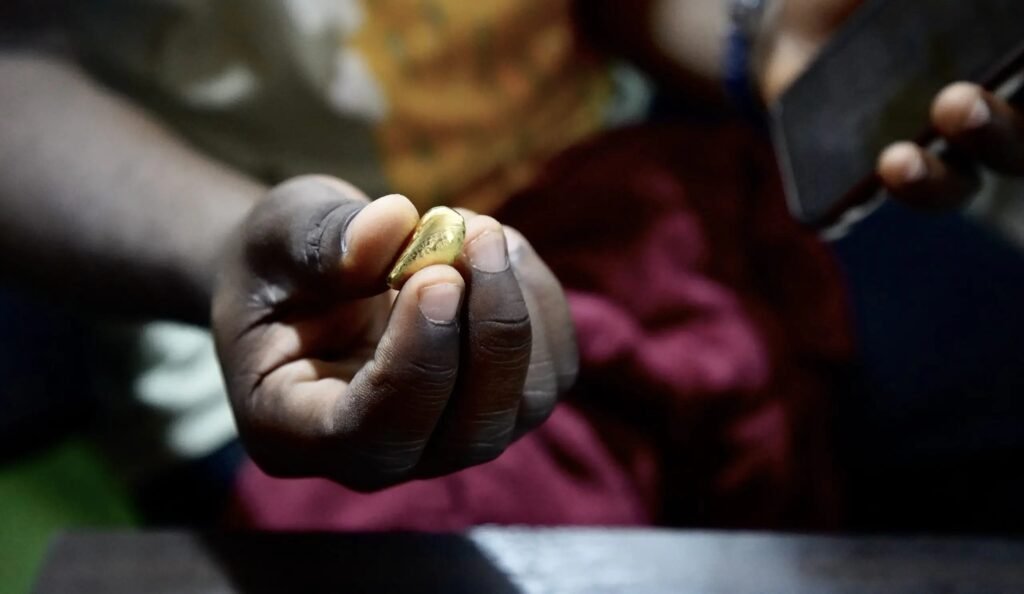
From Licensed Miners to Collection Points
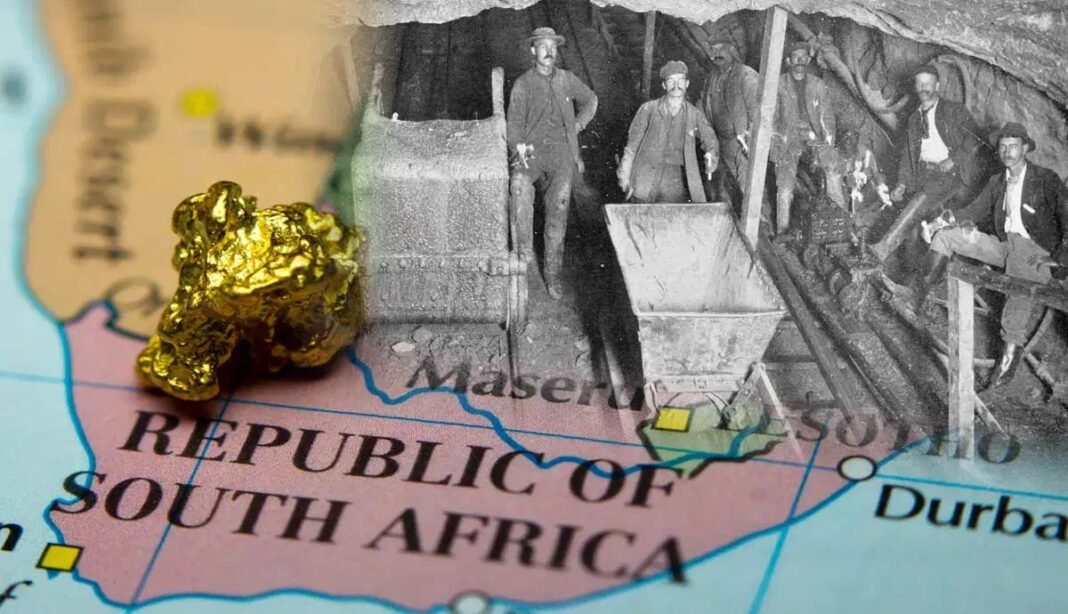
The chain begins exclusively with legally recognized producers. In Ghana, small-scale miners operate under Minerals Commission licenses in designated zones like Ashanti and Western North. South Africa’s output comes from industrial operations and accredited artisanal cooperatives registered under the Mine Health and Safety Act. In South Sudan, licensed aggregators collect material from registered sites in Equatoria under Ministry of Mining oversight. Unlicensed operators are systematically excluded from formal trade channels.
Verification and Chain of Custody
Upon acquisition, each gold batch receives a unique reference number linked to the miner’s license, GPS coordinates, and acquisition date. Material is weighed, photographed, and sealed in tamper-evident bags before transport to accredited laboratories. This documentation establishes an unbroken chain of custody required for export permits and refinery acceptance. Any break in this sequence invalidates the material’s legal status for international trade.

Assay Certification and Export Approval
Gold moves to nationally accredited laboratories for purity verification. Ghana requires Minerals Commission-approved labs, South Africa uses SABS-registered facilities for fire assay, and South Sudan increasingly employs mobile or Dubai-linked accredited units. The resulting certificate includes weight, fineness, serial number, and authorized signatures. Without this document, no export permit can be issued. Reputable exporters never bypass this critical step.

Government Oversight and Secure Transit
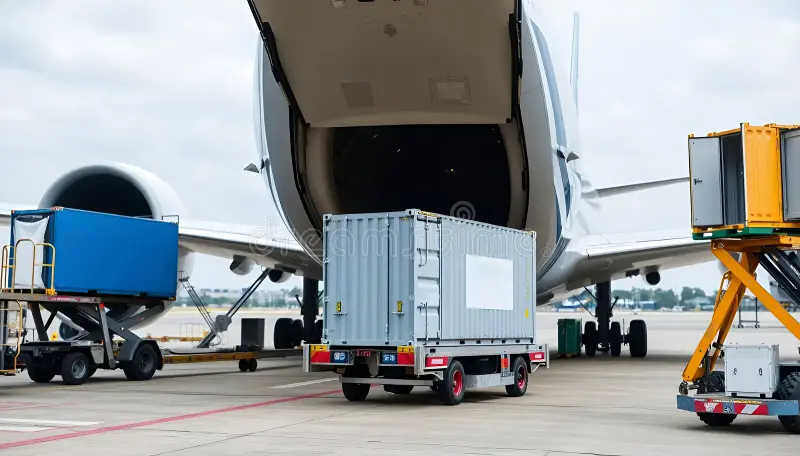
Exporters submit assay results to national authorities: Ghana’s Precious Minerals Marketing Company, South Africa’s SADPMR and SARS, or South Sudan’s dual ministry system. Officials cross-check documents against physical material before clearing shipments for air freight. Cleared gold travels in sealed containers via established routes—Accra to New York, Juba to Dubai, Johannesburg to Shanghai—under mandatory insurance and full documentation.
Why This Structure Matters to Buyers
For international refineries and institutional buyers, Africa’s regulated supply chain is a risk mitigation system, not a cost burden. Each verified step provides documented provenance required by LBMA and OECD standards. Professional exporters who manage this entire chain offer transparency, reliability, and bankable documentation. In today’s compliance-driven market, that structured oversight defines value.
Since 2015, AFRICA GOLD has operated an integrated supply network across Ghana, South Africa, and South Sudan. Our teams source exclusively from licensed entities, conduct in-person verification, coordinate accredited assays, secure permits directly, and oversee airport handover. This end-to-end control ensures zero breaks in chain of custody and consistent compliance across all trade routes.
Partner with a supplier who masters Africa’s regulated gold supply chain. Contact AFRICA GOLD to discuss current availability, documentation protocols, and shipment scheduling for ethically sourced, fully certified African gold.
africa-gold.com
sales@africa-gold.com