
What Is the “City of Gold” in Africa? Johannesburg and the Witwatersrand Legacy
The “City of Gold” in Africa is Johannesburg, South Africa—a metropolis born from one of the richest gold discoveries in human history. Founded in 1886 after gold was found on the Witwatersrand Ridge, Johannesburg quickly grew from a mining camp into Africa’s largest city by population and economic output.
1. Origin of the Name
- The name “Johannesburg” combines common Dutch/Germanic names of the time (e.g., Johannes and Burg, meaning “fortress” or “town”).
- Its nickname, “Egoli” (from isiZulu, meaning “place of gold”), reflects its identity as the epicenter of South Africa’s gold industry.
- The term “City of Gold” emerged almost immediately after the 1886 discovery, as prospectors flooded the area seeking fortune.
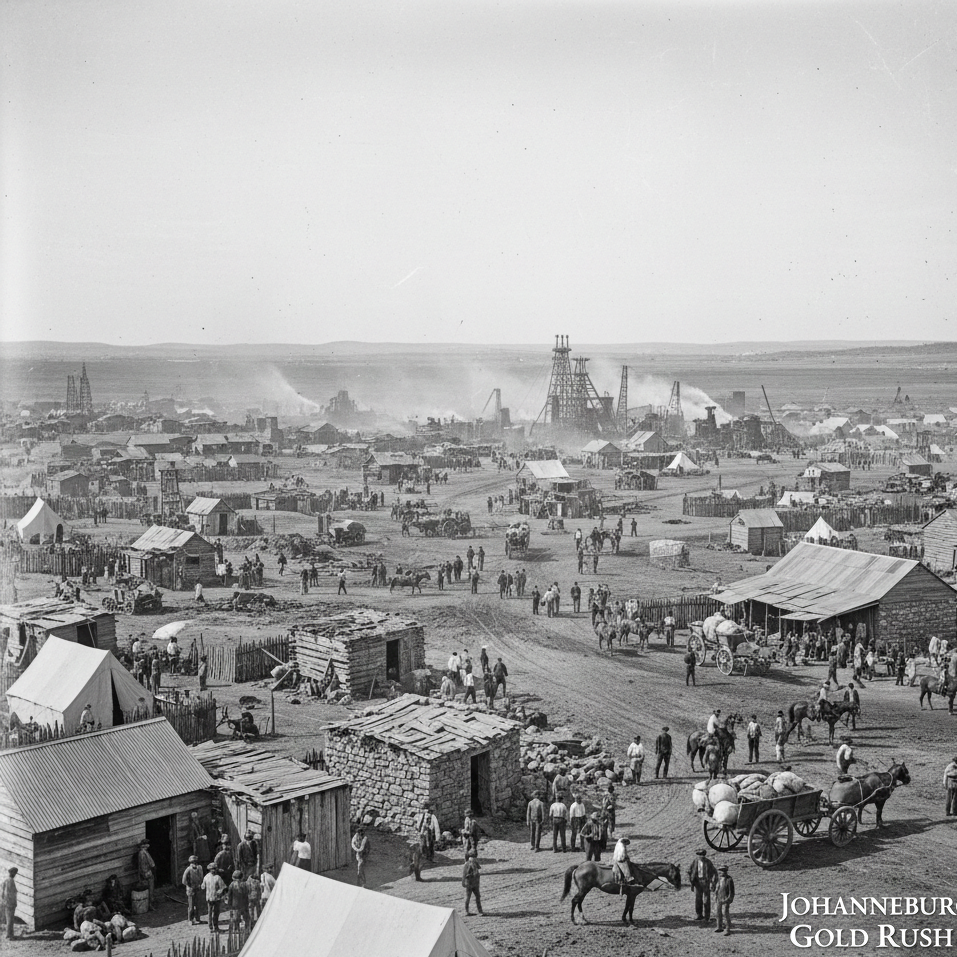
Image: Historical photo of early Johannesburg gold rush settlement, 1886
2. The Witwatersrand Gold Discovery
- On March 4, 1886, prospector George Harrison discovered gold-bearing rock on the farm Langlaagte, near present-day Johannesburg.
- This revealed the Witwatersrand Basin—a 3-billion-year-old geological formation containing the world’s largest gold reserve.
- By 1890, Johannesburg was producing more gold than any other region globally.
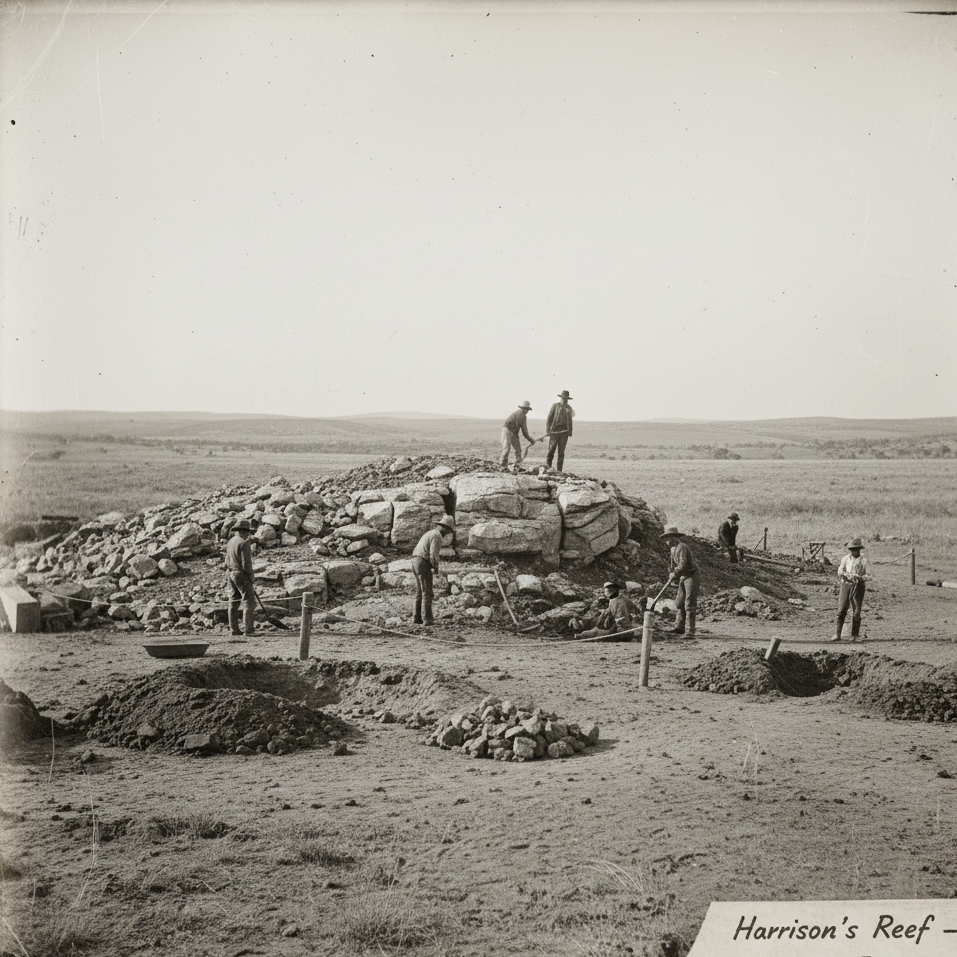
Image: George Harrison’s original gold outcrop site on Langlaagte Farm
3. Economic and Urban Impact
- Johannesburg became the financial and industrial heart of South Africa.
- It hosts the Johannesburg Stock Exchange (JSE), Africa’s largest.
- The city’s skyline, infrastructure, and wealth were built on gold revenues—even though no active mines remain within city limits today.
- Nearby deep-level mines like Mponeng and South Deep (in Gauteng Province) continue to operate just outside the metro area.
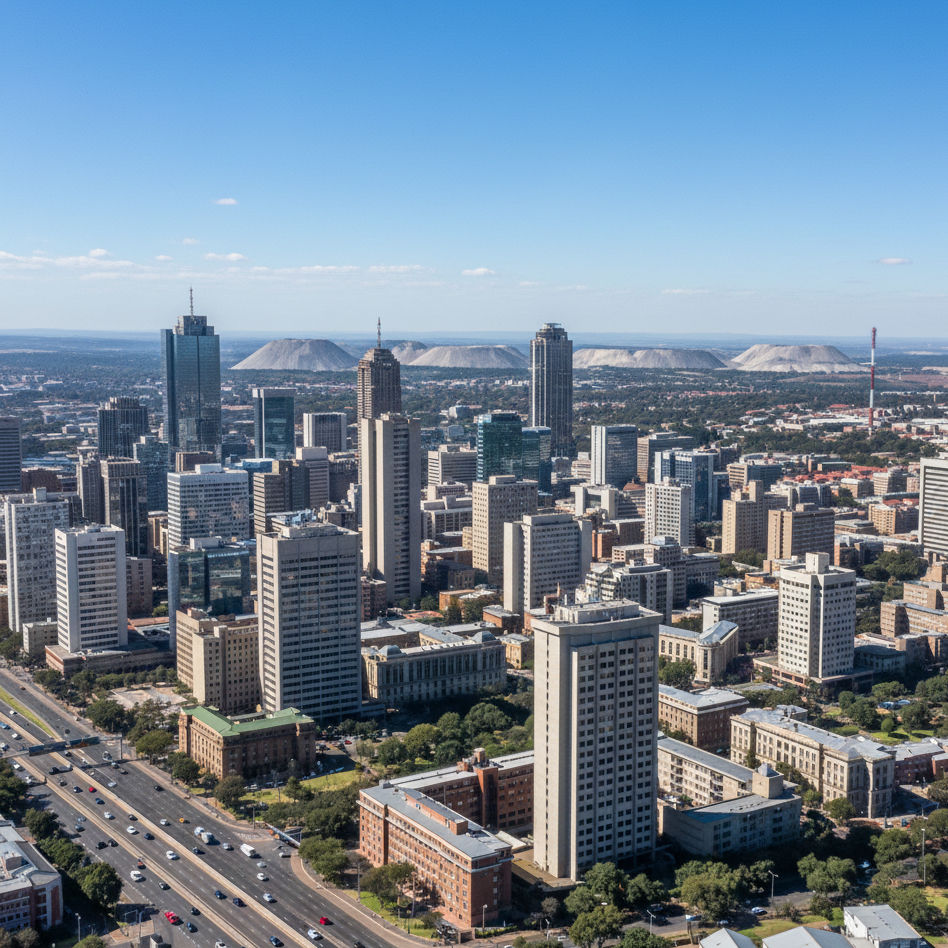
4. Modern Context
While gold mining has declined within the city itself, Johannesburg remains:
- A hub for mining finance, engineering, and logistics
- Home to the Rand Refinery in nearby Germiston—one of the world’s largest gold refineries
- A symbol of Africa’s mineral-driven urbanization
5. Other “Cities of Gold”?
- Timbuktu (Mali): Historically associated with gold trade across the Sahara—but never a production center.
- Kumasi (Ghana): Cultural capital of the Ashanti Kingdom, which controlled gold-rich lands—but not called “City of Gold.”
Only Johannesburg holds this title officially and historically.
Conclusion
The “City of Gold” in Africa is unequivocally Johannesburg, South Africa—a city literally built on gold. Its legacy continues through South Africa’s mining sector and global gold supply chains. For institutional buyers, sourcing ethically verified gold from this historic region remains possible through professional exporters like Africa Gold Reserve, which operates across South Africa with full compliance and traceability.
Website: africa-gold.com
Email: sales@africa-gold.com