
Where Can I Find Gold in Africa? Geological Hotspots and Ethical Sourcing Channels
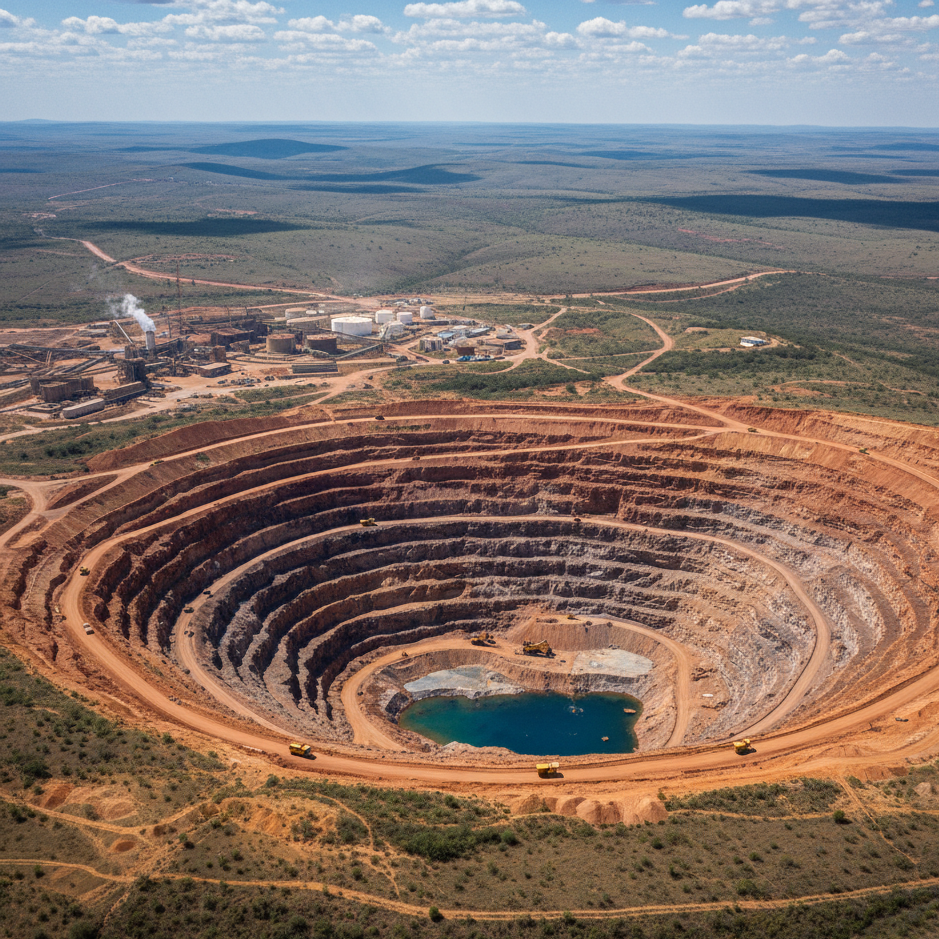
Gold is widely distributed across Africa, concentrated in three major geological belts that host both industrial mines and artisanal operations. However, “finding” gold—whether as an explorer, investor, or buyer—requires more than knowing locations; it demands understanding of legal frameworks, licensing requirements, and ethical sourcing standards. Below is a professional overview of where gold is found in Africa and how to access it responsibly.
1. Major Gold-Producing Regions
A. West Africa – The Birimian Greenstone Belt
- Countries: Ghana, Mali, Burkina Faso, Côte d’Ivoire
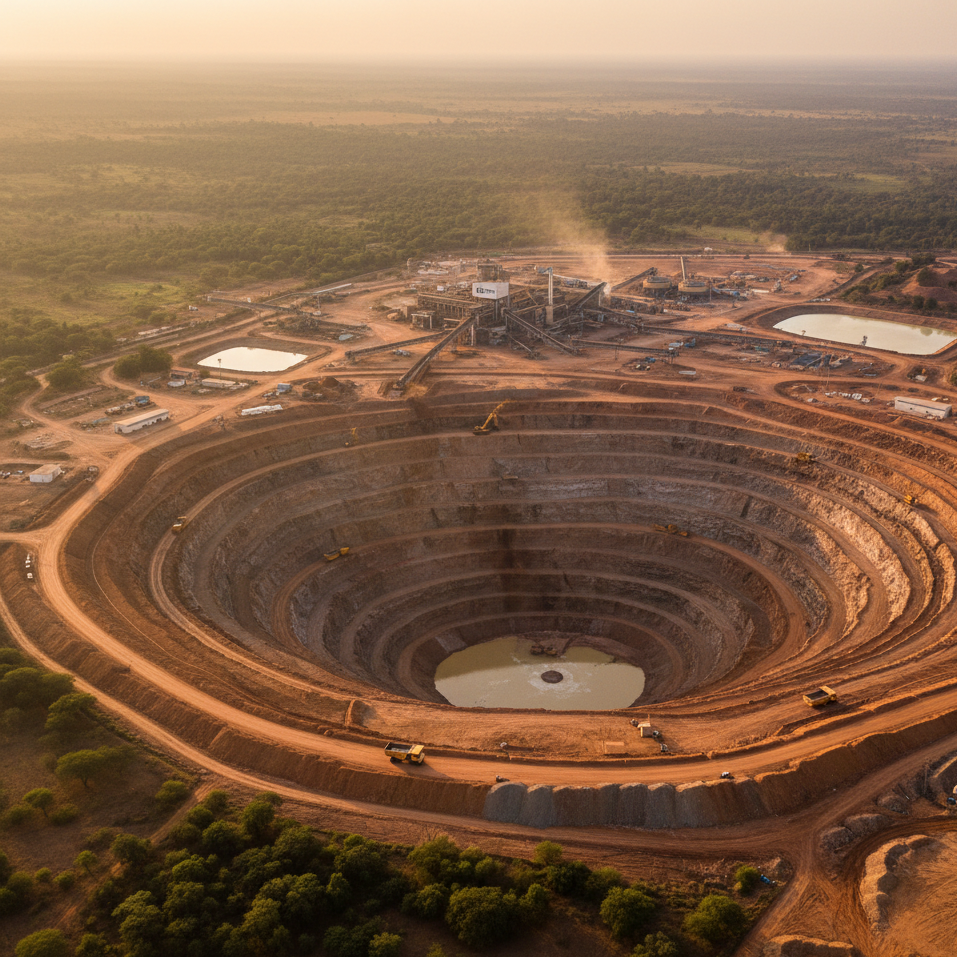
- Geology: High-grade, near-surface deposits ideal for open-pit mining
- Output: Accounts for over 60% of Africa’s total production
- Key Areas:
- Ghana: Ashanti Region (Obuasi, Tarkwa)
- Mali: Loulo, Fekola, Sadiola
- Burkina Faso: Houndé, Mana
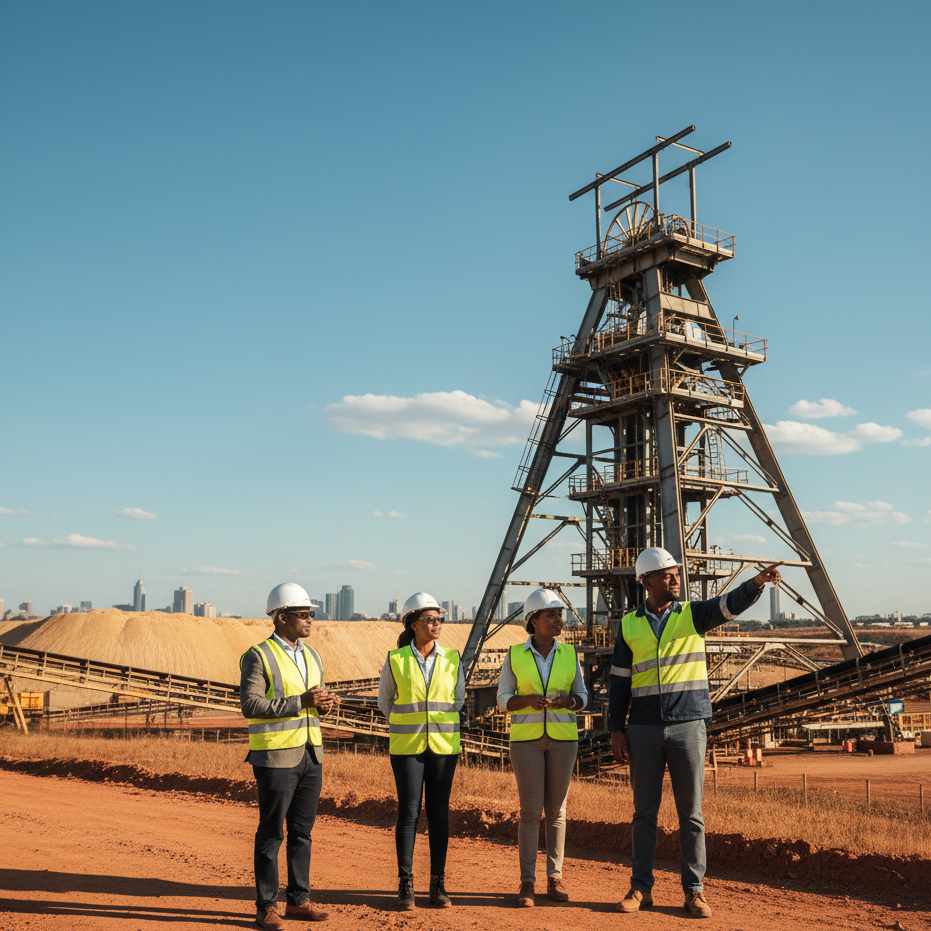
B. Southern Africa – The Witwatersrand Basin
- Country: South Africa
- Geology: World’s largest known gold reserves (~2,000+ tonnes remaining)
- Mining Type: Deep-level underground (some mines exceed 4 km depth)
- Key Operations: Mponeng (Harmony), South Deep (Gold Fields), Driefontein (Sibanye-Stillwater)
C. East & Northeast Africa – The Nubian Shield
- Countries: Sudan, Egypt, Ethiopia
- Geology: Orogenic gold deposits with significant alluvial potential
- Status:
- Sudan: ~70–80 tonnes/year, but high compliance risk
- Egypt: Growing output from Sukari Mine and Eastern Desert exploration
- Ethiopia: Emerging potential, limited formal production
2. Legal Access vs. Informal Mining
While gold can be geologically found in these regions, legal access requires:
- A mining or prospecting license from national authorities
- Compliance with environmental and community regulations
- Proof of financial and technical capacity
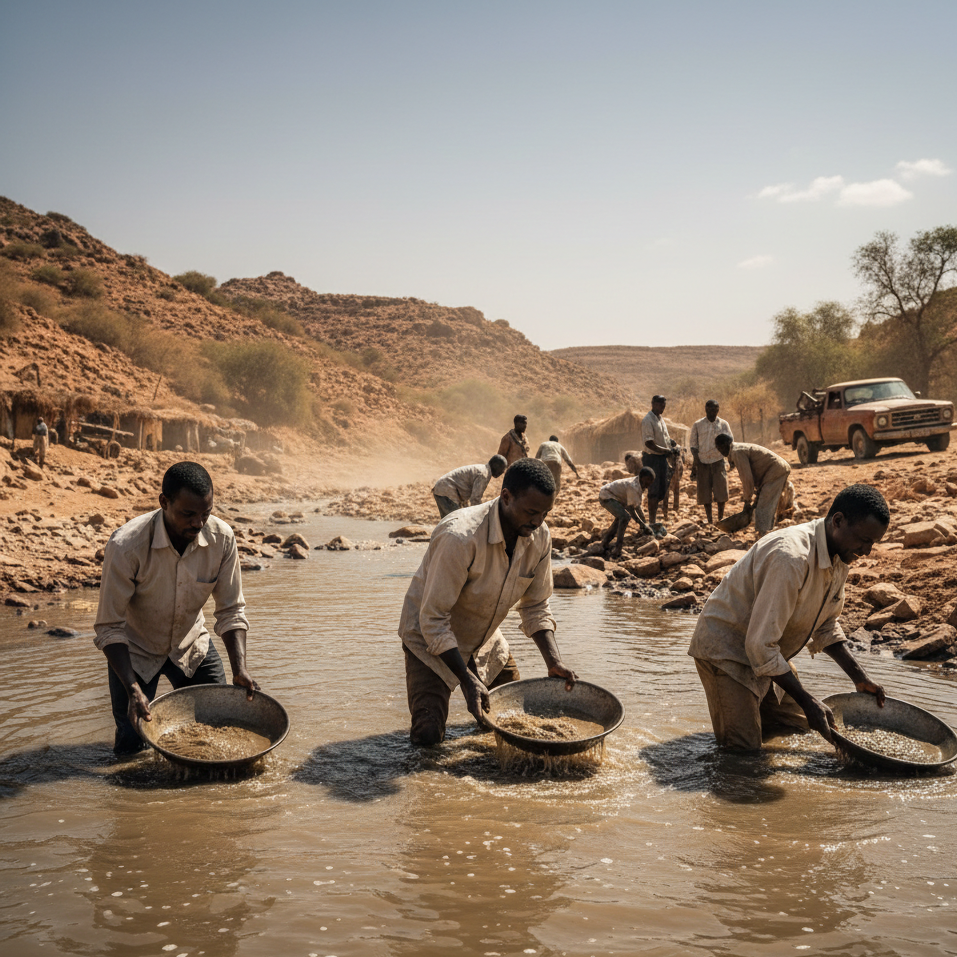
Unauthorized mining—commonly called “galamsey” (Ghana) or “zama zama” (South Africa)—is illegal, dangerous, and excluded from global supply chains.
3. For Buyers: Sourcing Gold Responsibly
Most international buyers do not mine gold—they source it from licensed producers. This is done through professional exporters who aggregate from:
- Licensed industrial mines
- Registered small-scale miner cooperatives
- Government-authorized buying centers
In Ghana, for example, all legal exports must pass through the Precious Minerals Marketing Company (PMMC). In South Africa, exporters require permits from the Department of Mineral Resources and Energy.
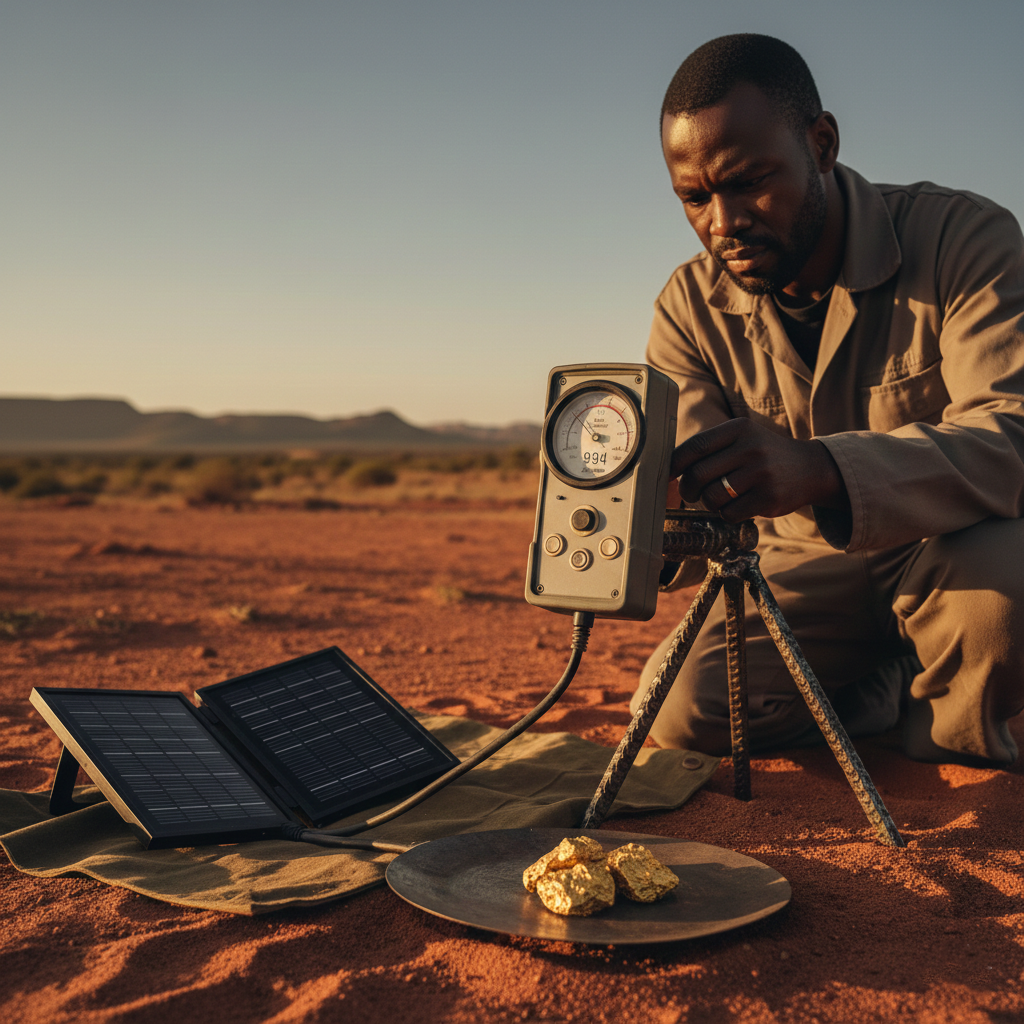
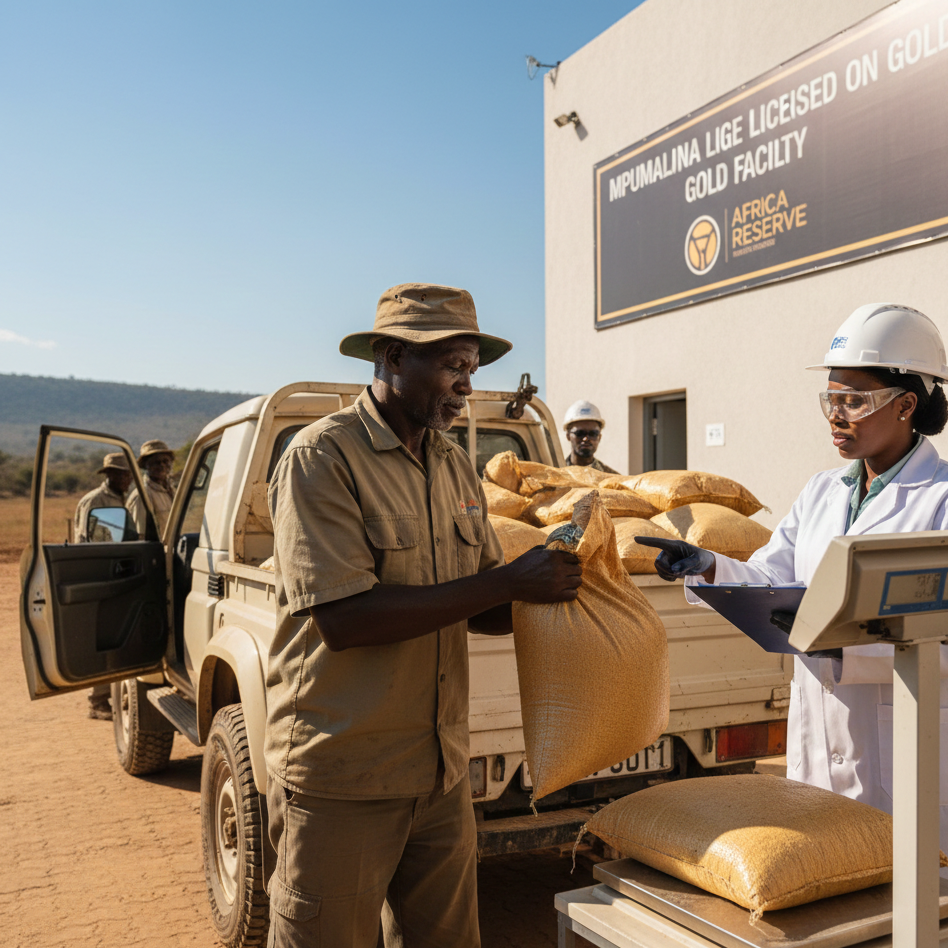
Image: Licensed small-scale miner delivering gold concentrate in Mpumalanga
4. Africa Gold Reserve’s Role
Founded in 2015 and headquartered in South Africa, Africa Gold Reserve operates in Ghana, South Africa, and South Sudan. The company does not mine but sources high-purity gold exclusively from:
- Licensed local mines
- Registered small-scale miners
- Government-authorized sellers
All material is verified on-site, assayed, and documented with GPS-tagged chain-of-custody records—ensuring alignment with OECD Due Diligence Guidance and LBMA Responsible Gold standards.
5. Critical Advice for International Parties
- ❌ Do not engage unlicensed sellers—even if prices seem attractive
- ✅ Always require export permits, assay certificates, and origin documentation
- ✅ Partner with verified exporters who operate boots-on-the-ground
- ✅ Avoid regions with high conflict-mineral risk unless third-party audited
Conclusion
You can find gold in Africa—in Ghana’s rainforests, South Africa’s deep reefs, and Sudan’s arid plains. But the real value lies not in location, but in legal, ethical, and documented access. For institutional buyers, partnering with a professional exporter like Africa Gold Reserve ensures secure, compliant supply from the continent’s most reliable jurisdictions.
Website: africa-gold.com
Email: sales@africa-gold.com