

Why Africa Remains the World’s Leading Gold Source: Geology, Production, and Supply Chain Realities
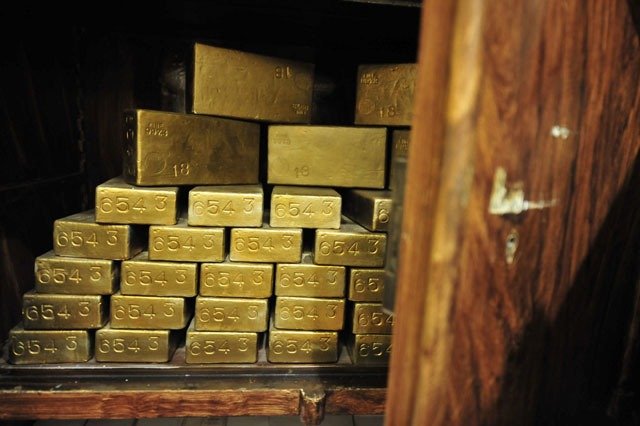
Africa has supplied gold to global markets for millennia, from ancient Egyptian trade routes to modern industrial production. Today the continent accounts for approximately 20 percent of annual global output, with eight African nations ranking among the world’s top 20 producers. This enduring position stems from three fundamental factors: exceptional geological endowment spanning multiple greenstone belts, a dual production structure combining industrial-scale mines with extensive artisanal activity, and evolving regulatory frameworks that increasingly support transparent export channels. For international buyers, understanding these dynamics—along with jurisdictional variations across producing countries—is essential for developing reliable supply relationships in a market where opportunity coexists with operational complexity.
Industry Context
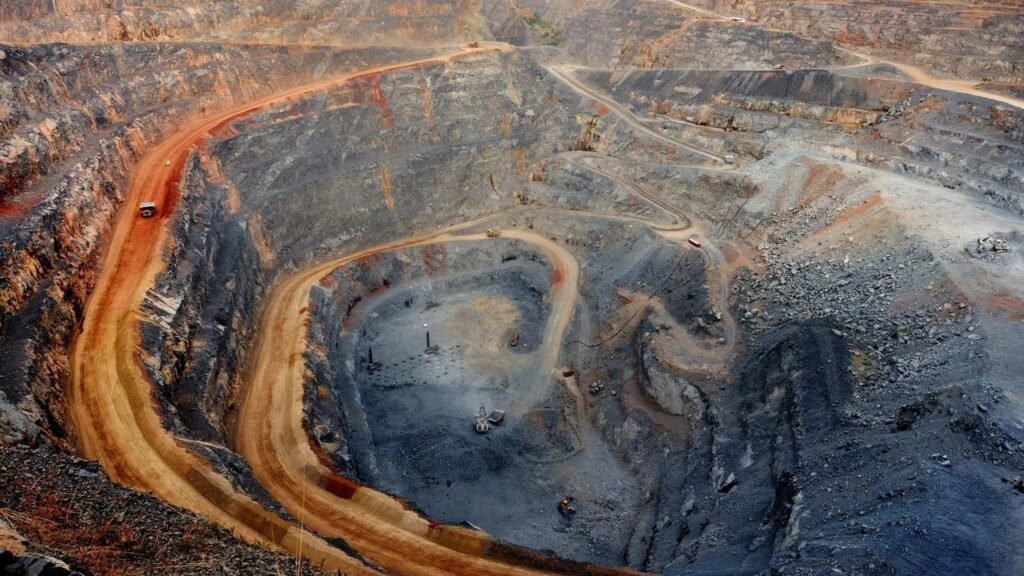
Africa’s gold wealth concentrates within ancient greenstone belts formed over 2.5 billion years ago. The Birimian belt stretches across Ghana, Mali, Burkina Faso, and Côte d’Ivoire, hosting both major industrial operations and dense artisanal activity. Southern Africa’s Witwatersrand Basin—centered in South Africa—remains the world’s largest gold deposit by historical production, though grades have declined with depth. Additional belts in Tanzania, Zimbabwe, and the Democratic Republic of Congo contribute meaningful volumes. This geological diversity creates a production profile distinct from other regions: Africa delivers supply through both capital-intensive industrial mines and decentralized artisanal networks that collectively employ millions of people. The latter segment requires specialized aggregation and verification expertise to transform fragmented recovery into export-ready material meeting international standards.

Regional Perspective
Production characteristics vary significantly across key jurisdictions. Ghana maintains Africa’s most transparent regulatory environment for gold exports, with established protocols through the Precious Minerals Marketing Company and relatively efficient permit processing. South Africa’s output centers on deep-level hard-rock mining with sophisticated processing infrastructure, though operational costs have risen as mines extend to greater depths. Countries like Mali, Burkina Faso, and Tanzania feature substantial industrial production alongside vibrant artisanal sectors requiring careful integration into formal supply chains. Emerging producers including South Sudan and Guinea possess significant deposits but demand enhanced due diligence protocols and specialized logistics planning. Successful exporters maintain permanent field presence across multiple jurisdictions rather than relying on centralized trading—this distributed infrastructure enables responsive supply aggregation while ensuring documentation integrity from point of recovery through export.

AFRICA GOLD’s Approach
Since its founding in 2015 with headquarters in South Africa, AFRICA GOLD has developed permanent operational offices across Ghana, South Africa, and South Sudan, supported by trade coordination from its United Kingdom base. The company focuses on direct acquisition from licensed small-scale miners and registered local aggregators, eliminating speculative intermediaries that can obscure origin. Field teams verify seller licenses and conduct preliminary testing—including specific gravity analysis and visual inspection—before material moves to internationally accredited assay laboratories for fire assay confirmation. Every transaction generates documentation of origin: seller identification, GPS coordinates of recovery sites, license numbers, and transaction dates. This systematic approach creates auditable chains of custody that satisfy both national export requirements and international buyer compliance obligations under frameworks including OECD due diligence guidance.

Buying and Export Process
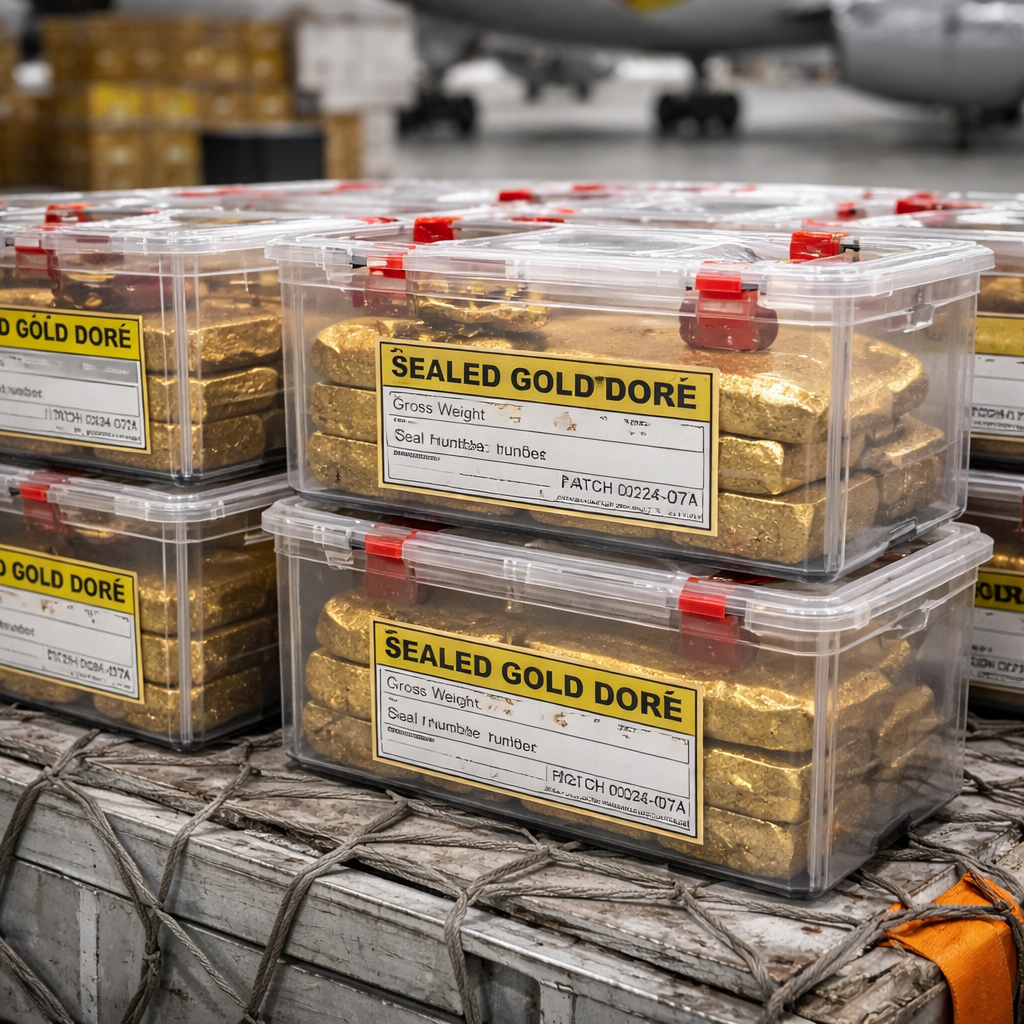
The operational workflow begins with field acquisition where local teams purchase material against immediate payment, building trust within mining communities while securing legal title transfer. Material moves under secure protocols to consolidation facilities before transfer to accredited laboratories for precise purity determination. Upon receipt of assay certificates, the company prepares comprehensive documentation packages including proof of legal acquisition, seller licenses, and transaction records. These support export permit applications submitted to relevant national authorities—the Minerals Commission in Ghana, Department of Mineral Resources in South Africa, or Ministry of Mining in South Sudan. Once permits are secured, gold transfers under armed escort to designated international airports. Shipments depart with complete documentation sets: assay certificates, export permits, commercial invoices, and certificates of origin, ensuring efficient clearance at destination ports across the UAE, United States, China, and Europe.

Global Demand Patterns
African gold supplies diverse international markets based on end-use requirements and refining infrastructure. The United Arab Emirates has developed into a primary destination for material requiring further processing, with Dubai serving as a redistribution hub for Asian and Middle Eastern markets. The United States imports African gold primarily for investment-grade bar production and industrial applications demanding high purity. Chinese buyers seek consistent supply for jewelry manufacturing and strategic reserve accumulation. European markets increasingly emphasize documentation compliance with the EU Conflict Minerals Regulation, while broader Asian demand spans electronics manufacturing and retail investment products. These varied requirements necessitate flexibility in documentation preparation—particularly regarding customs classifications under HS code 7108 and value declarations aligned with LBMA pricing benchmarks at time of export.
Why Buyers Partner with Established African Exporters
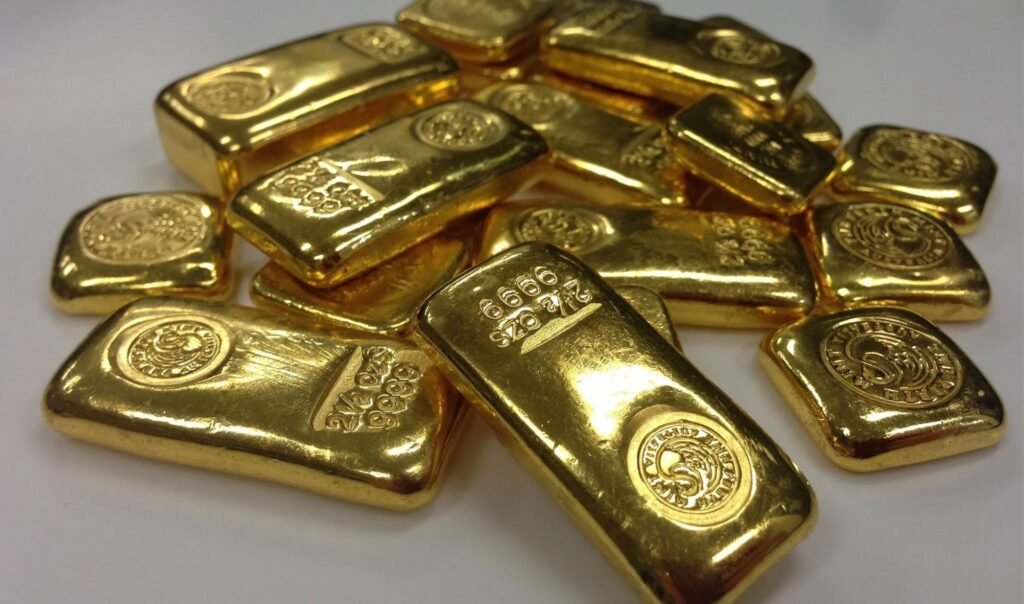
International buyers sourcing African gold prioritize three operational fundamentals: verifiable provenance, consistent assay accuracy, and predictable execution across regulatory environments. Companies with permanent regional presence develop stable relationships with licensed miners, reducing supply volatility compared to spot-market traders. Their documentation protocols satisfy tightening global regulations while minimizing customs delays at destination ports. AFRICA GOLD’s decade of operational experience since 2015 has refined procedures for navigating jurisdictional variations in export requirements while maintaining security standards appropriate for high-value physical commodities. This translates into reliable supply delivery with complete documentation—allowing buyers to focus on core operations rather than managing supply chain contingencies across complex jurisdictions.
Conclusion with call to action
Africa’s position as a leading global gold source rests on enduring geological advantages and a production structure that combines industrial scale with decentralized artisanal activity. For international buyers, accessing this supply reliably requires partners with embedded regional operations, not transactional intermediaries. The distinction lies in documentation integrity, chain-of-custody discipline, and consistent execution across the acquisition-to-export cycle. For refineries, commodity traders, and institutional investors seeking responsibly sourced gold from Ghana, South Africa, or South Sudan with full provenance records and regulatory compliance support, engagement with experienced exporters reduces risk while improving supply chain transparency in one of the world’s most significant gold-producing regions.
Website: africa-gold.com
Email: sales@africa-gold.com