



Asia and the Middle East are the dominant destinations for African gold in 2026 not by accident, but by design. Their demand is driven by refining capacity, cultural affinity for physical metal, and strategic diversification away from Western financial systems. Unlike speculative markets, these regions value gold as both an industrial input and a store of sovereign wealth. African supply, when compliant and consistent, fits seamlessly into their operational and geopolitical frameworks.
The Middle East: Refining Powerhouse and Trade Nexus
Dubai remains the primary gateway for African gold entering global circulation. The UAE hosts some of the world’s largest refineries Kaloti, PAMP, Emirates Gold all of which have operated African intake desks for over a decade. These facilities accept material with PMMC permits from Ghana, dual ministry approvals from South Sudan, and SADPMR documentation from South Africa, provided chain of custody is intact.
Crucially, Emirati refineries understand the realities of emerging-market compliance. They recognize handwritten permits, analog assay reports, and manual logs as valid when issued by legitimate authorities. This cultural fluency reduces friction that might stall shipments elsewhere. Direct flights from Juba, Accra, and Johannesburg arrive daily, enabling rapid turnover. For African exporters, Dubai offers speed, liquidity, and institutional trust.

Asia: Industrial Demand and Strategic Reserves
China and India drive Asian demand, but with different priorities. China imports gold for both investment bars and high-tech manufacturing in electronics and aerospace. Its refineries in Shanghai and Shenzhen require strict purity (999.9 minimum) and full documentation, but offer volume and long-term offtake agreements to reliable suppliers.
India, meanwhile, consumes gold primarily for jewelry and cultural savings. While import duties are high, licensed refiners still source African material through bonded channels especially during festival seasons when demand spikes. Both nations view African gold as a non-Western source of strategic reserves, aligning with broader de-dollarization efforts.
Cultural and Geopolitical Alignment
Beyond logistics, deeper forces connect Africa to these regions. Islamic finance principles favor tangible assets like gold over interest-bearing instruments. In Asia, gold has been a store of family and national wealth for centuries. Politically, both regions seek alternatives to U.S.-dominated financial infrastructure. African gold legally sourced, physically verifiable, and outside Western control fits this vision perfectly.
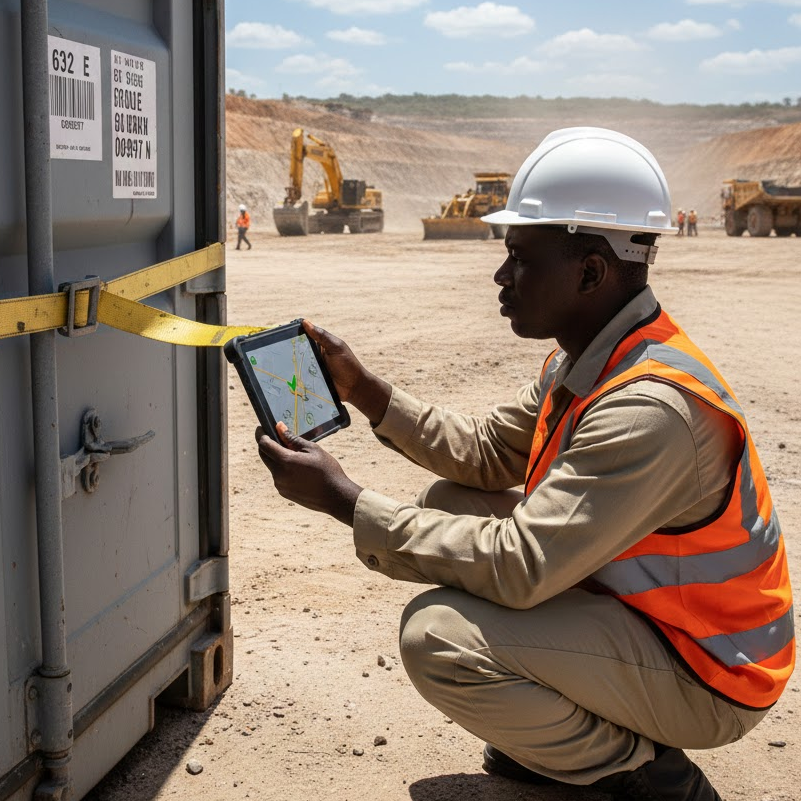
Why African Gold Meets Their Needs
Asian and Middle Eastern buyers prioritize three things:
- Legal origin: Backed by national permits
- Verified purity: Through accredited fire assay
- Reliable logistics: On direct air corridors
Professional African exporters deliver all three. Brokers cannot.
Conclusion
Asia and the Middle East import African gold because it is real, traceable, and strategically aligned. It is not a commodity traded on screens, but a physical asset moving along trusted corridors—from Juba to Dubai, Accra to Mumbai, Johannesburg to Shanghai. As global fragmentation increases, these south-south trade links will only deepen. For African exporters who master compliance and consistency, these markets offer not just demand, but durable partnership.
africa-gold.com
sales@africa-gold.com