

Understanding South Sudan’s Gold Trade: A Practical Guide for International Buyers
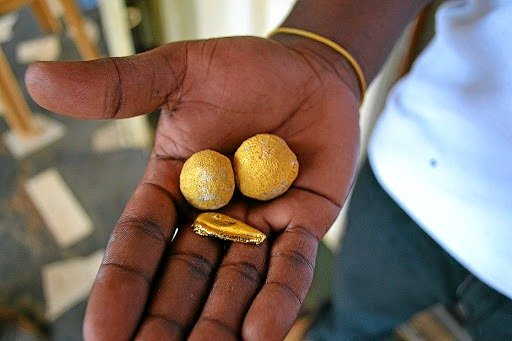
South Sudan holds substantial gold deposits across its eastern and northern territories, with production primarily derived from artisanal and small-scale operations working alluvial deposits and emerging hard-rock sites. For international buyers, the country represents a potential supply source requiring careful navigation of operational complexities and enhanced due diligence protocols. Unlike established mining jurisdictions, South Sudan demands exporters maintain permanent field presence, implement rigorous chain-of-custody verification, and adhere strictly to OECD guidance for minerals from conflict-affected areas. Buyers seeking responsibly sourced material must prioritize partners with demonstrable in-country infrastructure over opportunistic traders lacking auditable supply chains.
Industry Context
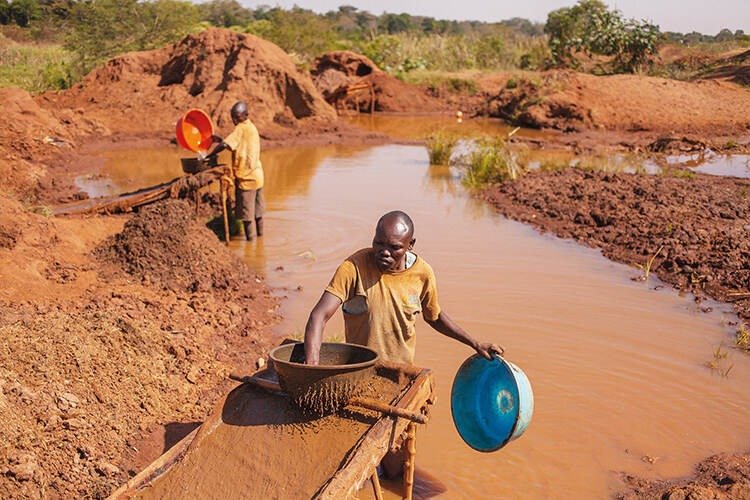
South Sudan’s gold sector remains largely informal, with thousands of licensed small-scale miners operating across remote regions. Industrial-scale development is limited, leaving artisanal production as the dominant supply channel. This decentralized structure creates verification challenges: material must be traced to legally licensed miners with documentation supporting conflict-free status under international standards. The country falls within high-risk classifications requiring enhanced due diligence under frameworks including the OECD Due Diligence Guidance and EU Conflict Minerals Regulation. Reputable exporters address these requirements through field-level acquisition protocols that verify seller identity, record GPS coordinates of recovery sites, and maintain unbroken custody from point of purchase through export.
Regional Perspective
Gold activity concentrates in three regions with distinct operational characteristics. Eastern Equatoria hosts extensive alluvial mining along seasonal river systems near the Ethiopian border, with relatively stable access routes to Juba during dry seasons. Jonglei State features both alluvial operations and nascent hard-rock developments, though logistics require careful security planning due to terrain and infrastructure limitations. Upper Nile State sees artisanal activity along White Nile tributaries, with supply chains often passing through Bentiu before consolidation in Juba. Successful exporters maintain permanent field teams in these regions rather than relying on Juba-based intermediaries—a critical distinction for origin verification and documentation integrity. Teams conduct initial testing at collection points before secure transport to the capital for assay and export processing.
AFRICA GOLD’s Approach
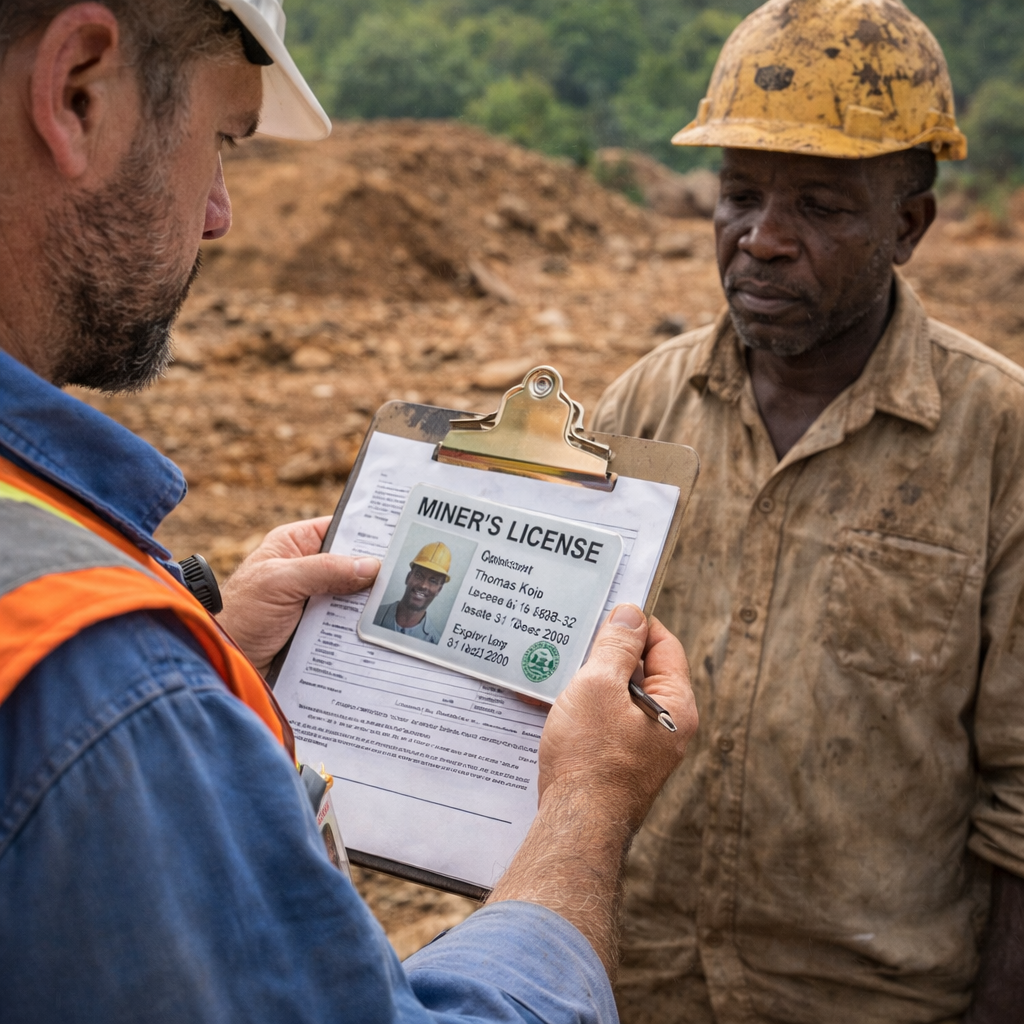
Since establishing operations in South Sudan following its 2015 founding, AFRICA GOLD has maintained permanent sourcing offices with field teams stationed in key mining regions. The company transacts exclusively with miners holding valid licenses issued by South Sudan’s Ministry of Mining, verifying documentation before acquisition. Initial verification includes specific gravity testing and visual inspection at collection points, with material then transported under armed escort to Juba. There, independent laboratories accredited to international standards perform fire assay analysis. Only after purity confirmation and completion of origin documentation—including seller identification, license copies, GPS coordinates, and transaction records—does material proceed toward export authorization. This systematic approach creates an auditable trail satisfying both national regulatory requirements and international buyer compliance obligations.

Buying and Export Process
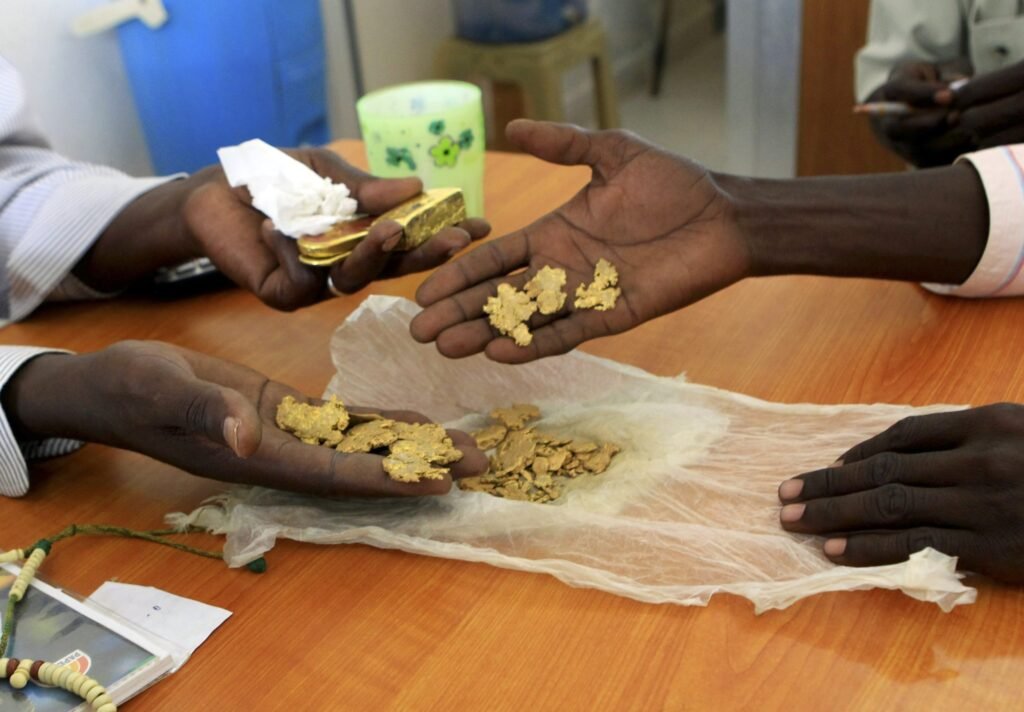
The workflow begins with direct acquisition from licensed miners at field collection points, with immediate payment establishing trust and encouraging repeat transactions. Material moves under armed escort to secure consolidation facilities in Juba, where it undergoes preliminary weighing and documentation. Accredited laboratories perform fire assay testing, with results determining final settlement value. Upon receipt of assay certificates, AFRICA GOLD prepares comprehensive export documentation including proof of legal acquisition, seller licenses, Ministry of Mining transaction records, and chain-of-custody logs. These documents support the export permit application submitted to South Sudan’s Ministry of Mining. Once permits are secured—typically within seven to ten business days—gold transfers under enhanced security protocols to Juba International Airport for air freight, primarily to Dubai. Each shipment departs with complete documentation packages ensuring smooth import clearance at destination.

Global Demand Patterns
South Sudanese gold flows predominantly to the United Arab Emirates, where Dubai’s refining infrastructure processes material for redistribution across Asian and Middle Eastern markets. This trade route has matured due to Dubai’s capacity for handling gold from complex jurisdictions with appropriate documentation frameworks. Secondary flows reach European refineries requiring material compliant with the EU Conflict Minerals Regulation, and select Asian buyers seeking supply diversification. These markets demand rigorous documentation—particularly proof of legal origin, absence of conflict financing, and adherence to responsible sourcing standards—which explains why buyers prioritize exporters with permanent field presence and systematic verification capabilities rather than intermediaries lacking auditable supply chains.

Why Buyers Partner with Established South Sudan Exporters
International buyers sourcing from South Sudan prioritize three operational imperatives: demonstrable conflict-free status, unbroken chain of custody, and regulatory compliance at both origin and destination. Companies with permanent field infrastructure develop stable relationships with licensed miners, enabling consistent supply while maintaining documentation integrity throughout the acquisition-to-export cycle. Their protocols satisfy enhanced due diligence expectations under frameworks including the London Bullion Market Association’s Responsible Gold Guidance. AFRICA GOLD’s operational experience since 2015 has refined procedures for navigating South Sudan’s regulatory environment while implementing security standards appropriate for high-value commodities in complex jurisdictions. This translates into predictable execution—material delivered on schedule with complete documentation—allowing buyers to manage supply chain risk without compromising sourcing objectives.

Conclusion with call to action
South Sudan offers viable gold supply for international buyers who partner with exporters possessing permanent operational infrastructure and disciplined verification protocols. Success requires structured engagement emphasizing origin transparency, documentation rigor, and security discipline throughout the supply chain. For refineries, commodity traders, and institutional investors seeking responsibly sourced material from South Sudan with full chain-of-custody records and regulatory compliance support, direct engagement with experienced operators provides the most reliable pathway to market access.
Website: africa-gold.com
Email: sales@africa-gold.com