
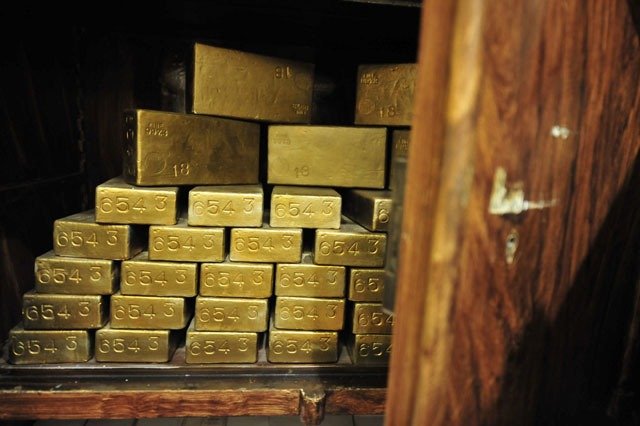

The Process of Exporting Gold from South Africa to Global Markets: Regulations, Logistics, and Compliance
South Africa remains a cornerstone of global gold supply despite declining production from its historic Witwatersrand Basin. The country exported approximately 100 tonnes of gold in 2023, with material flowing through multiple channels: refined bars from established producers, doré from smaller operations, and aggregated artisanal output requiring specialized handling. For international buyers, understanding South Africa’s export framework—governed by the Minerals and Petroleum Resources Development Act and overseen by the Department of Mineral Resources and Energy—is essential for developing reliable supply relationships. Unlike jurisdictions where raw gold moves freely to export, South Africa maintains structured protocols requiring verification of legal title, assay certification, and explicit export authorization before material leaves the country.
Industry Context
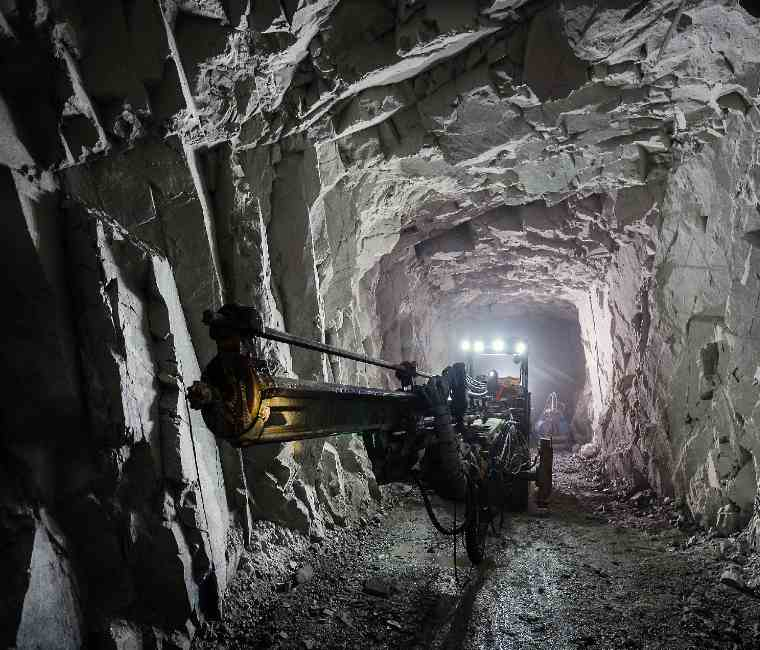
South Africa’s gold sector operates across a spectrum of formality. Major producers like Sibanye-Stillwater and Harmony Gold account for the majority of industrial output, typically refining material domestically before export under established offtake agreements. A secondary channel exists through smaller mining operations and licensed small-scale miners who produce doré or concentrate requiring aggregation and verification before export eligibility. This segment demands specialized expertise: exporters must verify legal title at point of acquisition, conduct independent assay testing, and navigate documentation requirements that satisfy both South African regulations and destination-market compliance standards. The South African Reserve Bank maintains oversight of refined gold exports, while raw and semi-refined material falls under the Department of Mineral Resources and Energy’s export permit system.
Regional Perspective
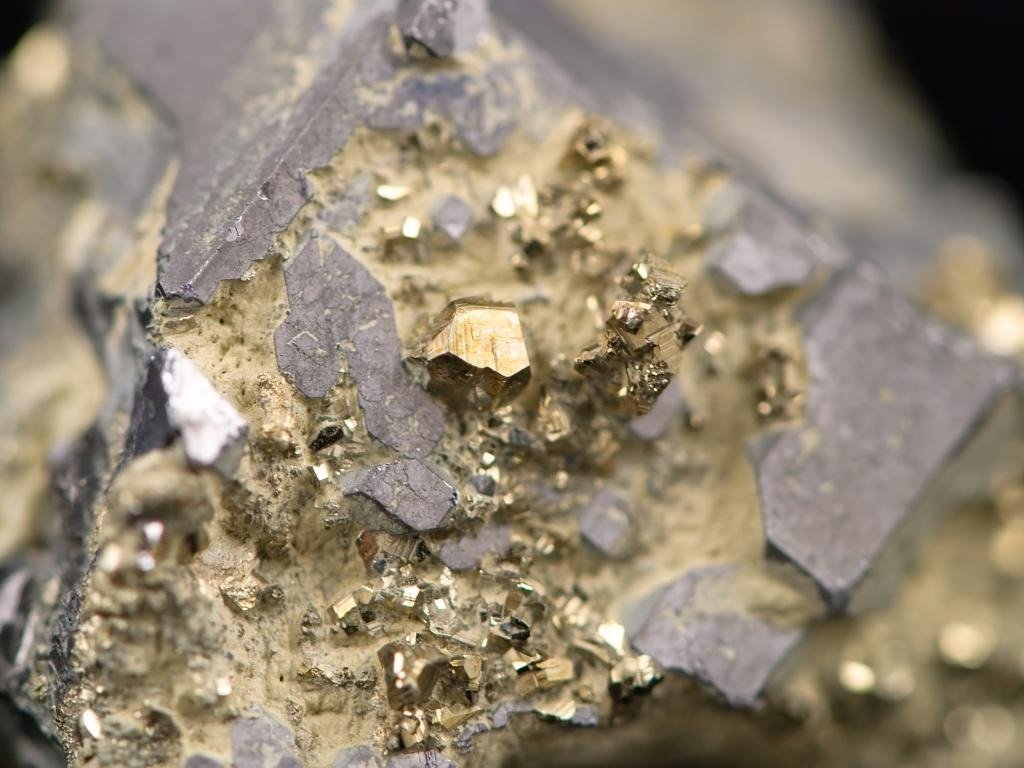
Gold production concentrates primarily in three regions with distinct operational characteristics. Gauteng Province hosts the historic Witwatersrand operations, now extending to extraordinary depths exceeding 3,000 meters with correspondingly high operational costs. The Free State goldfields feature slightly shallower operations with more favorable geology in select areas. Mpumalanga Province has seen growing activity from smaller-scale operations working both hard-rock deposits and alluvial sites. Each region requires tailored logistics planning—transport routes to assay facilities in Johannesburg or Germiston, security considerations for high-value cargo movement, and proximity to OR Tambo International Airport for export clearance. Exporters maintaining permanent field presence in these regions develop stable relationships with licensed operators, enabling consistent supply aggregation without reliance on speculative intermediaries.

AFRICA GOLD’s Approach
Since its founding in 2015 with headquarters in South Africa, AFRICA GOLD has maintained permanent sourcing operations across key gold-producing regions while coordinating international trade from its United Kingdom office. The company focuses on direct acquisition from licensed small-scale miners and registered local aggregators holding valid permits from the Department of Mineral Resources and Energy. Field teams verify seller documentation before conducting preliminary testing—including specific gravity analysis and visual inspection—at secure collection points. Material then transfers under armed escort to independent, internationally accredited assay laboratories in Johannesburg for fire assay confirmation. Only after purity verification and completion of origin documentation—seller identification, license numbers, GPS coordinates, and transaction records—does material proceed toward export permit application. This systematic approach creates an auditable chain of custody satisfying South African regulatory requirements and international buyer due diligence expectations.

Buying and Export Process
The export workflow begins with direct acquisition from licensed sellers at field collection points, with immediate payment establishing trust and securing legal title transfer. Material moves under armed escort to consolidation facilities in Johannesburg, where it undergoes preliminary weighing and documentation. Accredited laboratories perform fire assay testing, with results forming the basis for final settlement. Upon receipt of assay certificates, AFRICA GOLD prepares comprehensive export documentation including proof of legal acquisition, seller licenses, transaction records, and chain-of-custody logs. These documents support the export permit application submitted to the Department of Mineral Resources and Energy. Once permits are secured—typically within five to seven business days—gold transfers under enhanced security protocols to OR Tambo International Airport. Shipments depart with complete documentation packages: assay certificates, export permits, commercial invoices, certificates of origin, and bills of lading, ensuring efficient clearance at destination ports across China, the UAE, Europe, and the United States.

Global Demand Patterns
South African gold supplies diverse international markets based on material specifications and end-use requirements. China represents a major destination for doré and semi-refined material requiring further processing in Chinese refineries before distribution across Asian markets. The United Arab Emirates imports South African gold primarily for refining and redistribution throughout the Middle East and South Asia. European buyers increasingly emphasize documentation compliance with the EU Conflict Minerals Regulation, while United States demand spans investment-grade bar production and industrial applications requiring high purity. These varied requirements necessitate flexibility in documentation preparation—particularly regarding customs classifications under HS code 7108 and value declarations aligned with LBMA pricing benchmarks at time of export.
Why Buyers Partner with Established South African Exporters
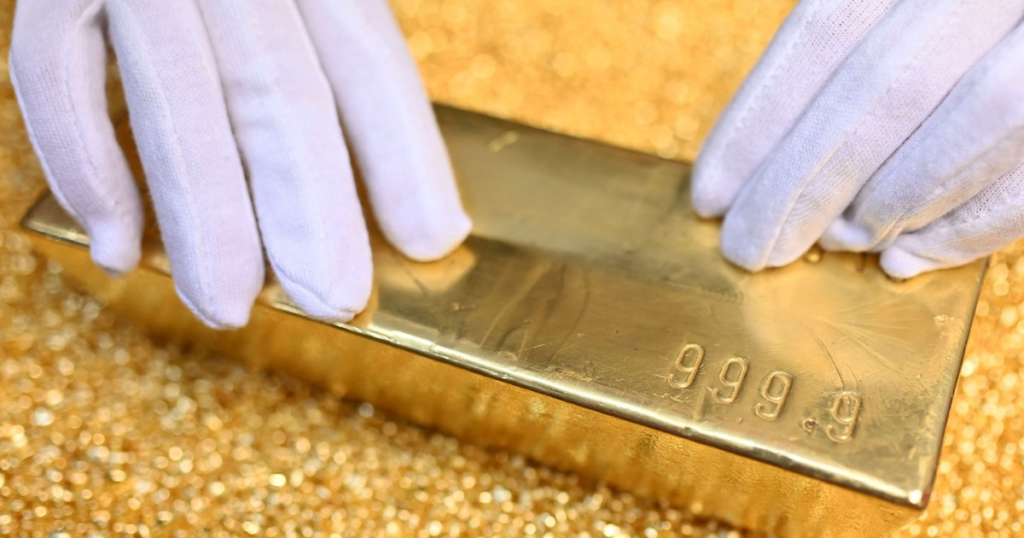
International buyers sourcing South African gold prioritize three operational fundamentals: verifiable legal title under South African mining law, consistent assay accuracy from accredited laboratories, and predictable execution through the export permit process. Companies with permanent South African operations develop stable relationships with licensed miners and aggregators, reducing supply volatility compared to spot-market traders. Their documentation protocols satisfy both local regulatory requirements and international compliance frameworks including OECD due diligence guidance. AFRICA GOLD’s operational experience since 2015 has refined procedures for navigating Department of Mineral Resources and Energy requirements, laboratory coordination, and export logistics—translating into reliable supply delivery with complete documentation for buyers requiring consistent material with full provenance records.

Conclusion with call to action
South Africa offers international buyers a structured environment for gold sourcing provided partners possess permanent local presence and thorough understanding of regulatory protocols. The distinction between opportunistic traders and established exporters lies in documentation integrity, chain-of-custody discipline, and consistent execution across the acquisition-to-export cycle. For refineries, commodity traders, and institutional investors seeking reliable supply from South Africa with complete provenance documentation and predictable logistics, engagement with experienced operators reduces risk while improving supply chain transparency in one of the world’s most historically significant gold-producing nations.
Website: africa-gold.com
Email: sales@africa-gold.com