

Gold Mining Opportunities in Ghana for Foreign Investors
Ghana ranks among Africa’s most stable and transparent gold producers, consistently delivering over 130 metric tons annually to global markets. The country’s combination of established regulatory frameworks, significant mineral endowment, and strategic location on the West African coast has attracted sustained foreign investment across the mining value chain. For international participants considering exposure to Ghanaian gold, understanding the operational landscape—from artisanal production to industrial mining and formal export channels—provides the foundation for informed commercial decisions.
Ghana’s gold sector operates under the Minerals and Mining Act of 2006, which establishes clear guidelines for mineral rights, environmental compliance, and revenue sharing. The regulatory environment distinguishes between large-scale mining licenses granted to corporate entities and small-scale mining permits restricted to Ghanaian nationals. This structure creates distinct entry points for foreign investors: direct participation in industrial operations through joint ventures or equity investment, and indirect participation through formalized procurement of small-scale production via licensed buying agents. The Precious Minerals Marketing Company oversees verification and export of artisanal output, ensuring material entering international trade carries government certification of origin and tax compliance.
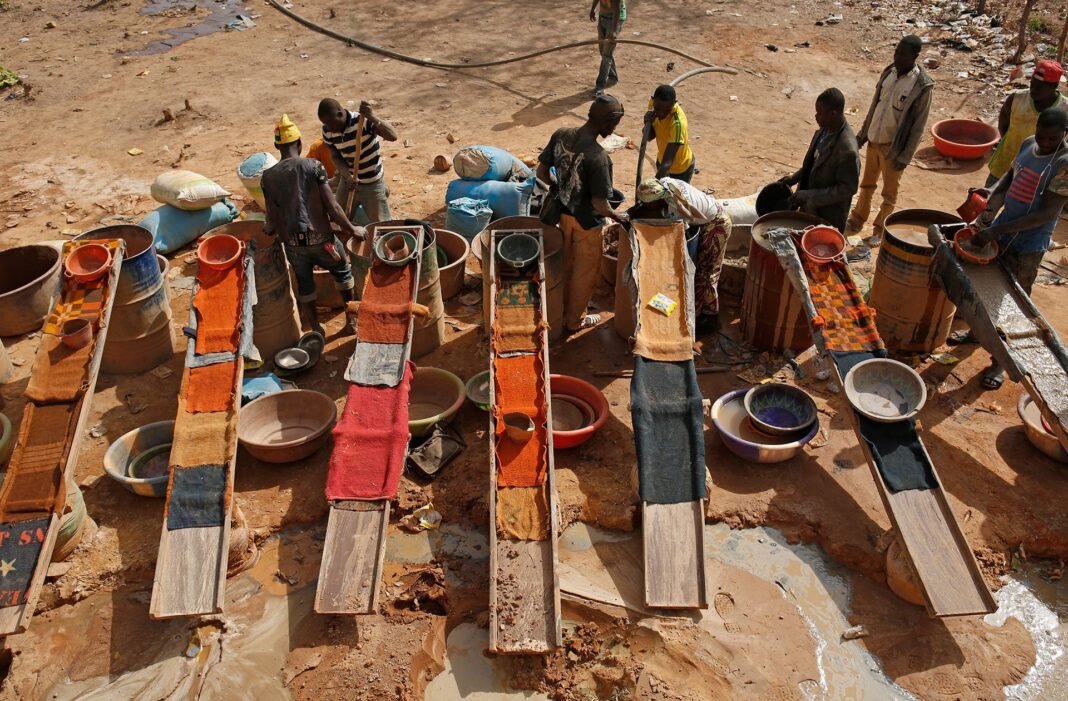
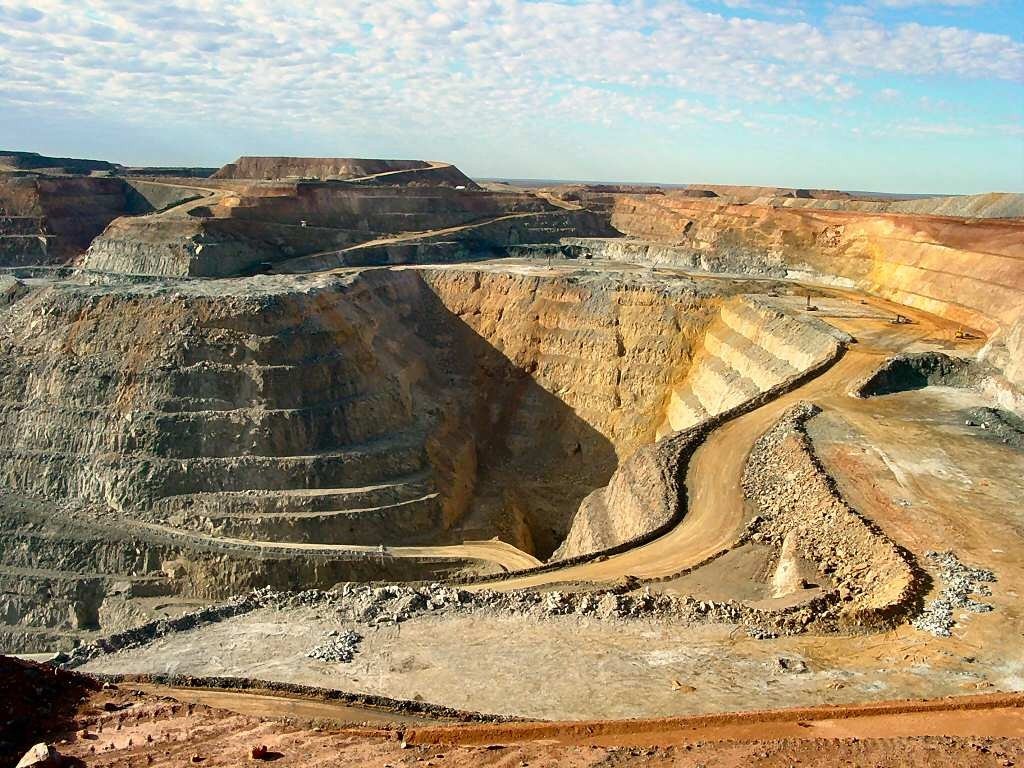
The country’s production originates from three primary sources. Industrial mines operated by multinational companies account for approximately 60 percent of annual output, concentrated in the Ashanti, Western, and Eastern regions. Licensed small-scale operations contribute roughly 30 percent through formalized channels, with production aggregated by government-authorized buyers. The remaining volume moves through informal networks, though regulatory enforcement has progressively reduced this segment’s market share. Ghana’s geology features both primary vein deposits and alluvial concentrations, supporting diverse extraction methods from deep-level hard rock mining to mechanized surface operations.
AFRICA GOLD has maintained procurement operations in Ghana since 2015, establishing relationships with licensed small-scale miners and authorized local aggregators across key producing regions. The company’s approach emphasizes direct acquisition at collection points rather than speculative trading, with field representatives conducting preliminary verification before material transport to government assay facilities. This model ensures chain-of-custody integrity while generating documentation packages that satisfy international due diligence requirements. Operations extend from Ghanaian sourcing points through export logistics coordinated via the company’s South African headquarters and United Kingdom office, facilitating settlement and delivery to global buyers.
The export workflow follows Ghana’s mandated sequence. Acquired gold is transported under dual supervision to Precious Minerals Marketing Company laboratories for official assay and weight certification. Upon verification, export permits are secured from the Minerals Commission, accompanied by tax clearance documentation from the Ghana Revenue Authority. Customs declarations are then processed through the Ghana Customs Division before insured transit to Kotoka International Airport or Tema Port. All shipments maintain security protocols aligned with international precious metals transport standards, with documentation packages prepared to satisfy destination market requirements including LBMA Good Delivery specifications for European buyers and COMEX standards for United States delivery.

Global demand for Ghanaian gold reflects the country’s reputation for regulatory compliance and consistent supply. The United Arab Emirates receives substantial volumes due to its refining capacity and role as a transshipment hub. United States buyers seek material meeting investment-grade specifications, creating steady demand for properly documented Ghanaian exports. European refineries prioritize LBMA compliance, which Ghana’s formalized export channels reliably provide. Chinese importers maintain interest in feedstock for jewelry manufacturing and reserve accumulation. These destination-specific requirements influence procurement strategies, making exporter expertise in Ghana’s certification protocols a decisive factor in market access.
International participants engage established Ghanaian gold exporters to address three operational challenges: documentation integrity for customs clearance, supply consistency amid production fluctuations, and logistical reliability in moving material from source to international departure points. AFRICA GOLD mitigates these through permanent field presence in mining regions, direct relationships with licensed producers, and integrated export management. The company provides buyers with complete documentation packages including assay certificates, export permits, and tax compliance verification—reducing settlement risk and ensuring material specifications match contractual terms. This operational transparency proves particularly valuable for institutional buyers requiring audit-ready supply chain records.

Ghana’s gold sector continues evolving toward greater formalization, with government initiatives focused on integrating artisanal production into regulated channels and modernizing small-scale mining practices. These developments create opportunities for foreign participants who operate within established legal frameworks and maintain transparent procurement practices. Companies attempting informal arrangements face increasing regulatory scrutiny and supply chain disruption risks. Sustainable participation requires commitment to Ghana’s regulatory structure, investment in local compliance infrastructure, and partnerships with licensed entities—a model that aligns commercial objectives with responsible mineral governance.

For commodity traders, refineries, and institutional investors evaluating Ghanaian gold exposure, verification of an exporter’s operational footprint within the country provides greater assurance than transactional promises. Direct engagement with organizations demonstrating multi-year presence, documented export history, and adherence to Ghana’s regulatory requirements establishes the foundation for reliable long-term partnerships in this strategically important market.
africa-gold.com
sales@africa-gold.com